0x3480645c3480…34806459
American Bitcoin Posts $126M Q3 Net Income, Grows Reserve by Mining Alone
American Bitcoin reported about $126M in Q3 net income and $221M in adjusted EBITDA, growing its BTC reserve solely through mining while sats per share rose roughly 5%.
Outputs
American Bitcoin reported approximately $126 million in Q3 net income on November 4
Adjusted EBITDA reached about $221 million for the third quarter
Sats per share increased roughly 5%; no ATM share issuance or spot BTC purchases occurred
The reserve grew entirely through mining despite seasonal electricity cost pressure
American Bitcoin reported roughly $126 million in net income for the third quarter, according to its November 4 earnings release. The company also posted approximately $221 million in adjusted EBITDA and said its Bitcoin reserve grew about 5% in satoshis per share.
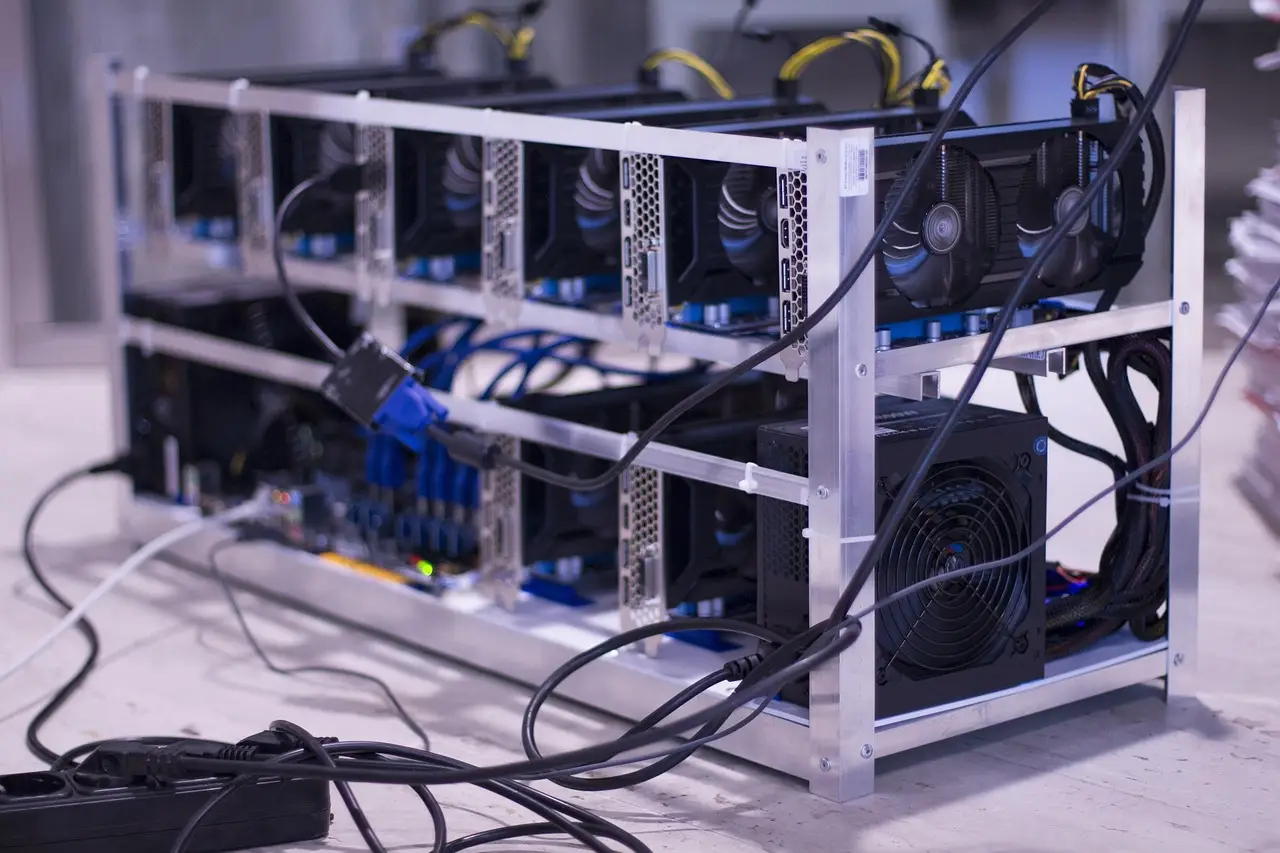
The detail that stands out is how the reserve grew. The company said it mined the new coins. It did not buy Bitcoin on the spot market. It did not issue shares through its at-the-market program. That combination is rare in a sector where most treasury-focused operators print equity and buy coins.
Management credits mining operations for the reserve growth, even with seasonal electricity cost pressure during the quarter. The roughly 5% rise in sats per share is the number worth watching here, because a growing total Bitcoin balance means little if the share count grows faster.
What does sats per share actually tell you?
It tells you one thing, and only one thing. The metric measures how much Bitcoin is attributable to each share. If it rises, shareholders' proportional claim on the reserve rose too, at least before you account for everything else.
And everything else matters. Sats per share is not an accounting profit measure. It is not a guarantee of shareholder return. Investors still have to weigh debt, other assets and liabilities, operating expenses, and the market price they paid for the stock itself.
The gap between the two headline numbers also deserves attention. Net income came in around $126 million while adjusted EBITDA reached about $221 million. In mining and treasury companies, that spread can reflect Bitcoin's price, the valuation of held assets, depreciation of mining equipment, and financing arrangements. Comparing adjusted EBITDA across two miners is difficult unless the underlying definitions line up, so a single strong quarter should be read beside the full financial statements and the non-GAAP reconciliations.
Is mining Bitcoin at a discount sustainable?
Management describes producing Bitcoin at a structural discount to market prices. Miners can hit attractive unit costs when power contracts, fleet efficiency, and site economics all cooperate. But network difficulty and Bitcoin's price keep changing the equation in both directions.
Electricity costs move seasonally. New mining capacity adds competition. Older machines lose efficiency. A production model that looks profitable today can turn ugly after a difficult market shift, which is why the cost of mining one coin is a useful number to track — provided you ask exactly which direct and indirect costs are baked into it.
What does this change for shareholders?
Public shareholders own claims on a company, not specific coins in its reserve. That exposure cuts both ways. It includes the mining operations and management's capital-allocation decisions, not just the Bitcoin held. The company can create value through efficient production and disciplined spending. It can also suffer stock-market volatility that has nothing to do with the daily Bitcoin move.
So the honest comparison with owning Bitcoin directly is not whether reserves rise. It is whether shareholders come out ahead after dilution, corporate costs, and valuation premiums are counted. On that test, this quarter's numbers — no ATM issuance, no spot purchases, and sats per share up about 5% — are the right inputs to watch.
What comes next
The next quarter should be judged on the same dashboard: mined BTC, treasury changes, production cost, network difficulty, share count, and cash liquidity. One earnings release is a snapshot. It does not make future mining profitability predictable.
There is also a competitive backdrop to note. Several operators in the sector are now selling Bitcoin to fund AI data centers. American Bitcoin's stated emphasis on accumulating coins instead marks it as a distinct business model for investors to evaluate — one whose next test arrives with fourth-quarter results and the winter power pricing that follows.
via newsbtc.com (Source)
More from Marcus Bennett
Show full bio
Senior reporter covering money, funding and market shifts around crypto and web3 industry at Mempool Brief.
785 articles