0x76527e857652…76527e88
Attackers Hijack 64,000 Bitcoin Miners, Redirect 13 EH/s to OCEAN Pool
Attackers redirected about 13 EH/s from 64,000 hijacked Bitcoin miners to OCEAN on November 14, earning nothing while owners lost unrecoverable revenue.
Outputs
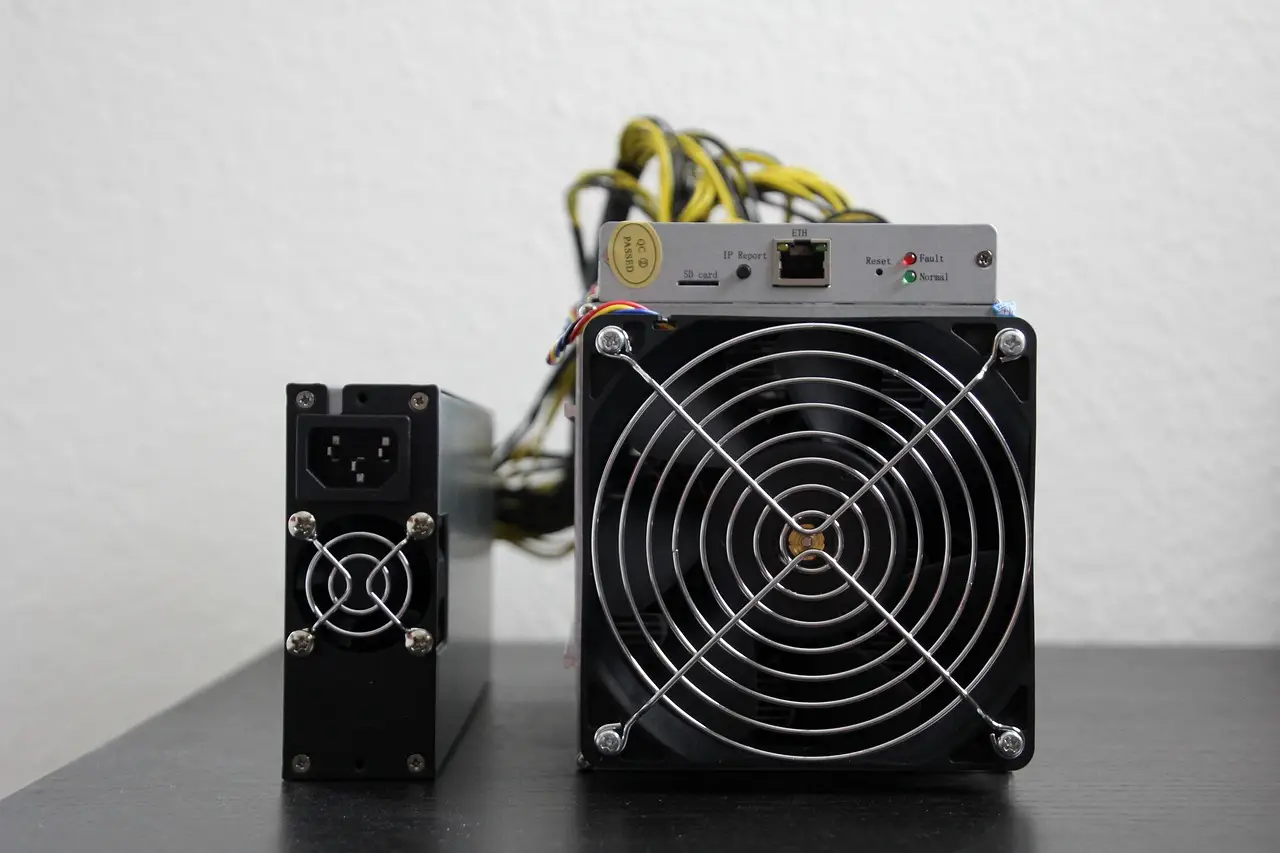
Attackers hijacked roughly 64,000 Bitcoin miners on November 14, redirecting about 13 EH/s to the OCEAN pool.
OCEAN's hashrate spiked to roughly 50 EH/s before diverted power fell to about 100 PH/s.
The attackers mined no blocks; their single payout address received no payments.
CoreX Hosting detected unauthorized pool setting changes; Luxor Commander is the suspected but unconfirmed entry point.
Unauthorized pool changes were reported in the days before the November 14 incident.
Attackers seized control of roughly 64,000 Bitcoin mining machines on November 14 and redirected approximately 13 EH/s of hashing power to the OCEAN mining pool, according to on-chain and pool data that captured the incident in real time. The attackers earned nothing. No blocks were mined, and the single attacker-controlled payout address tied to the diversion never received a payment. The owners of the hijacked hardware were not as fortunate: their lost mining revenue cannot be recovered.
The incident began at approximately 8 p.m. Central Time. It surfaced quickly in public data because OCEAN's reported hashrate spiked. The pool's hashrate climbed to roughly 50 EH/s, then settled near 40 EH/s.
How the hijacking unfolded
The surge did not hold. Diverted power later fell to about 100 PH/s — one-thousandth of an exahash per petahash — meaning most of the hijacked machines had been pulled back or dropped offline within a short window. All redirected output went to one payout address controlled by the attackers. That address collected nothing.
Operators first learned of the problem from CoreX Hosting. The hosting firm spotted unauthorized changes to pool settings on the affected machines. One operator said their entire mining operation was hit.
The suspected entry point is Luxor Commander, a software tool used to manage mining fleets. That link remains a suspicion rather than a confirmed finding. There are also signs the November 14 event may not have been isolated: reports of unauthorized pool changes had already surfaced in the days before the main incident.
What does this change for mining operators?
The practical question is the attack surface. Bitcoin's protocol did not fail here. Nothing about the network's consensus rules was broken. What failed, if the suspicions hold, was the operational software that sits between a mining company and its hardware.
In this case, the redirected power landed on a legitimate pool, and the attackers appeared to aim for payouts rather than disruption. Even so, the episode shows how quickly a large block of hashrate can be moved without the owners' consent.
The revenue mechanics are unforgiving. Mining income depends on contributing work in real time. Every minute those machines worked for the attackers was a minute they weren't earning for their owners' pools. Once that time passes, the opportunity is gone and nothing can be clawed back.
What to watch next
For operators, the most immediate question is the entry point. If Luxor Commander is confirmed as the vulnerability, anyone running it will want to know what was exposed and whether a fix is available.
Until that is clear, operators may want to audit their pool settings frequently. CoreX Hosting caught the breach because someone noticed the settings had changed.
The earlier reports of unauthorized pool changes deserve attention too. If attackers were probing or testing access in the days before November 14, the incident may not mark the end of it — and operators running fleet-management software should treat configuration audits as a standing daily task until the vector is confirmed and patched.
via Crypto Briefing (Source)
More from Marcus Bennett
Show full bio
Senior reporter covering money, funding and market shifts around crypto and web3 industry at Mempool Brief.
1,189 articles