0x67f6d05067f6…67f6d04d
Binance Offers Up to 1,000 USDC in Crypto-Backed Credit in Argentina, Mexico
Binance's Pay Later lets Argentine and Mexican users borrow up to 1,000 USDC against BTC, ETH and BNB at zero interest — if repaid on time, and if collateral holds its value.
Outputs
Binance's Pay Later offers up to 1,000 USDC credit in Argentina and Mexico, backed by Bitcoin, Ethereum or BNB
Zero percent interest applies only if balances are repaid by the monthly due date; late balances accrue undisclosed interest
Credit limits reach 50% of collateral value; collateral can be liquidated if thresholds are breached
Binance Pay monthly merchant payment volume rose 78% annually in 2026; average transaction size grew 43.5% to $109.36
Binance Pay has processed over $321 billion across more than 21 million merchants since 2021
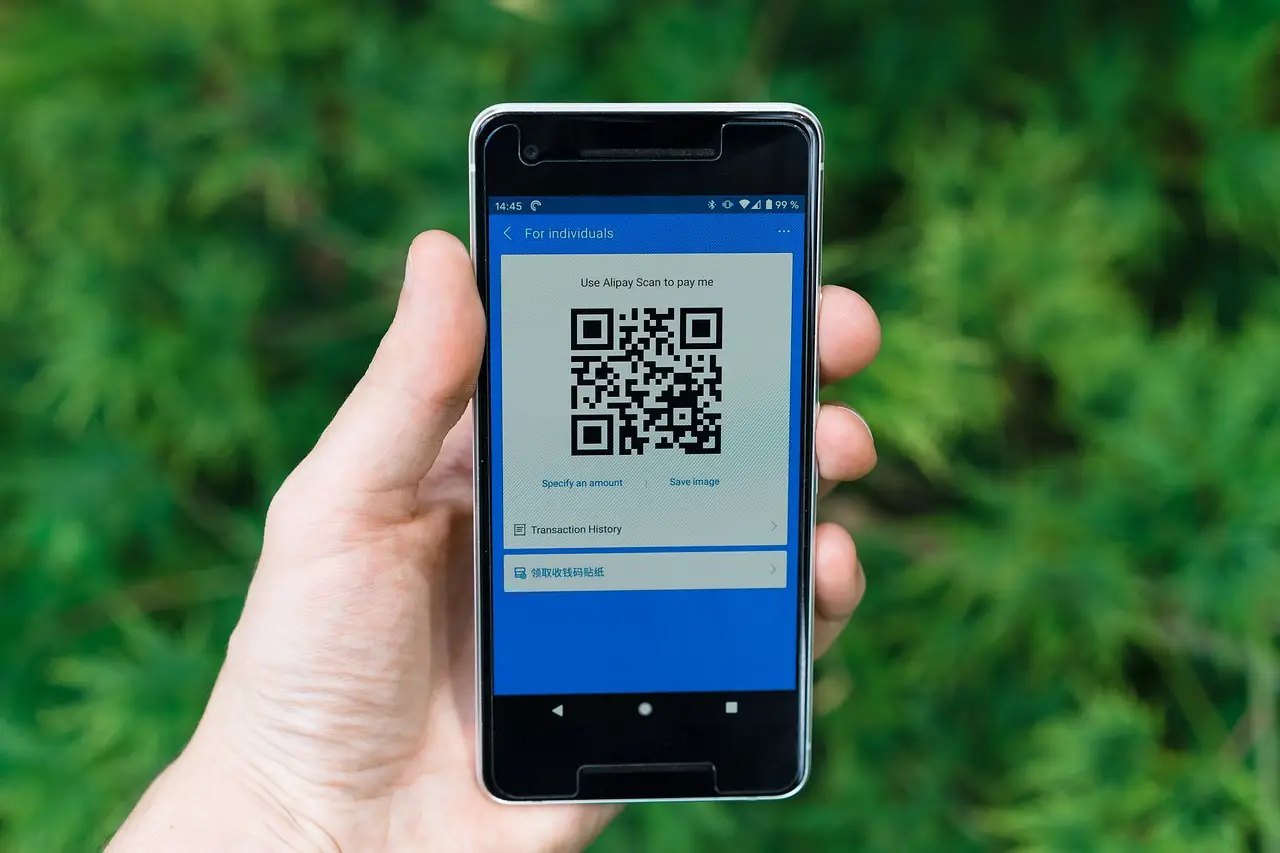
Binance has launched Pay Later, a crypto-backed credit service that lets users in Argentina and Mexico borrow up to 1,000 USDC against their Bitcoin, Ethereum and BNB holdings. The product allows everyday purchases without forcing users to sell their assets, the exchange announced. The initial country list is short; Binance says additional markets will follow, without naming them or giving a timeline.
The core terms are simple. Interest sits at zero percent on eligible purchases, but only if balances are repaid by the monthly due date. Credit limits run up to 50% of collateral value. Users spend through Binance Card or QR Pay at supported merchants, and Binance locks only the collateral required for each transaction rather than the entire portfolio. Eligible Binance Card purchases can earn up to 3% cashback, subject to regional availability.
What did Binance actually promise?
"We believe users should have more flexibility in how they access and use their capital," said Thomas Gregory, VP of Payments and Fiat at Binance. He framed asset-backed credit as an alternative for people without traditional credit histories — a meaningful claim in markets like Argentina, where bank credit access has long been constrained. What Binance did not say is how it prices the product's risk internally, or what spreads it earns from merchants on the payment side.
How big is the underlying business?
The launch rides on Binance Pay's growth. Monthly merchant payment volume rose 78% annually in 2026, according to the company. Average transaction size climbed 43.5% to $109.36, up from $76.20 a year earlier — that is roughly 33 dollars more per transaction. Binance Pay supports more than 300 cryptocurrencies, is accepted by over 21 million merchants globally, and has processed more than 321 billion dollars in cumulative volume since launching in 2021. Those figures are company-reported; no external auditor is cited. For scale, 21 million merchants is comparable to the global acceptance footprint of major card networks, though Binance does not break down how many are active rather than merely registered.
What are the risks for borrowers?
The fine print carries real teeth. Users can make partial repayments at any time, but outstanding balances accrue interest after the due date — Binance does not disclose the rate in the announcement. The company also warned that collateral may be liquidated if its value falls below required thresholds, with additional fees and potential losses. A 50% loan-to-value ratio offers a buffer, yet Bitcoin and Ethereum routinely draw down more than half within weeks during volatile periods. A borrower whose collateral halves faces liquidation mechanics that the announcement describes only in outline. In short, the zero-percent promise holds only for disciplined repayment; everything after the due date is priced differently and disclosed sparingly.
Why Argentina and Mexico first?
Both countries combine high crypto adoption with large underbanked populations, which fits Gregory's positioning of the product for users lacking credit histories. Argentina's persistent inflation has pushed residents toward dollar-pegged stablecoins, and USDC-denominated credit extends that pattern. Mexico adds a large remittance corridor and growing QR-payment infrastructure. Binance has not said which regulators it consulted, if any, and the announcement contains no reference to licensing or consumer-credit authorization in either jurisdiction — a silence worth noting for a lending product.
The takeaway: Binance is converting its payment rails into a credit machine, and the borrower carries the volatility risk. Whether Pay Later reaches the broader markets Binance promises, and on what regulatory terms, will show in the coming quarters.
via Crypto Briefing (Source)
More from Elena Vasquez
Show full bio
Staff writer covering regulation, policy and their impact on crypto and web3 industry at Mempool Brief.
1,525 articles