0x10986f511098…10986f54
Bitcoin ETF outflows reach $240M; Ethereum funds post third outflow
U.S. spot Bitcoin ETFs saw about $240 million in outflows on November 17, led by $209.5 million from BlackRock's IBIT, while Ethereum ETFs posted a third straight $29.1 million outflow.
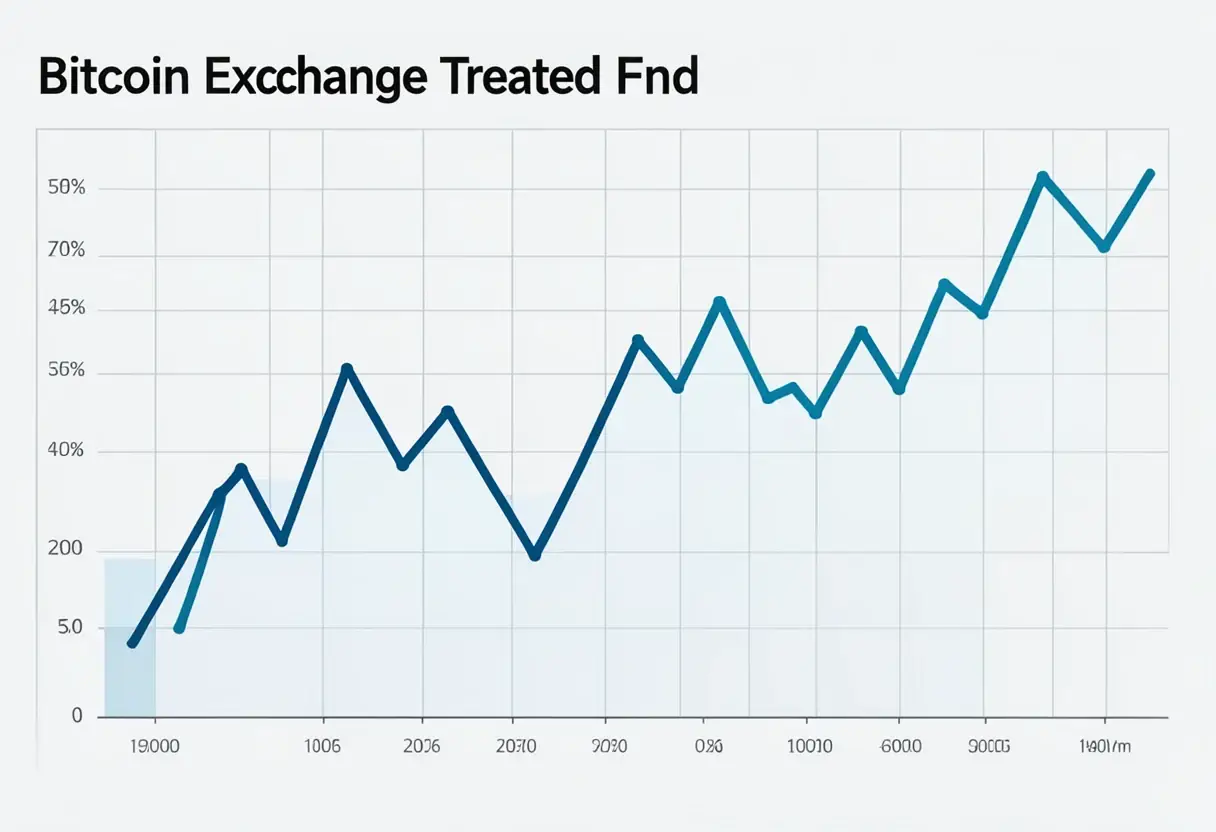
Outputs
Spot Bitcoin ETFs recorded approximately $240 million in net outflows on November 17.
BlackRock's IBIT accounted for about $209.5 million of the Bitcoin ETF outflows.
On November 16, Bitcoin ETFs took in a net $7.9 million and IBIT took in $76.5 million, its only positive day after 11 consecutive outflow sessions.
Spot Ethereum ETFs posted a $29.1 million net outflow, their third straight decline, while ETHA recorded $27.6 million in redemptions.
Bitcoin ETFs lost around $1 billion over five trading days, while cumulative inflows since launch remained above $54 billion.
U.S. spot Bitcoin ETFs registered approximately $240 million in net outflows on November 17, according to the reported flow data. BlackRock's iShares Bitcoin Trust (IBIT) accounted for about $209.5 million, roughly 87% of the total.
The reversal followed a modest positive session. Spot Bitcoin ETFs collectively attracted a net $7.9 million on November 16, while IBIT alone took in $76.5 million. That was IBIT's only positive flow day after 11 consecutive sessions of outflows.
The flow reversal in numbers
- Spot Bitcoin ETFs: approximately $240 million in net outflows on November 17.
- IBIT: about $209.5 million in net outflows, or roughly 87% of the Bitcoin ETF total.
- Spot Ethereum ETFs: approximately $29.1 million in net outflows, their third consecutive session in the red.
- ETHA: $27.6 million in redemptions, nearly all of the Ethereum ETF outflows for the day.
- Five-session Bitcoin ETF total: around $1 billion in net outflows over the five trading days leading up to November 17.
Instead of confirming a turn, the November 17 session delivered the largest redemption in the recent run. Bitcoin traded in a narrow $64,200 to $64,800 range as the flow data came in, so the roughly $240 million in withdrawals did not coincide with a broad move beyond that band.
Spot Ethereum ETFs' three-session run points in the same direction as Bitcoin funds. Their November 17 outflow followed two other redemptions, while ETHA accounted for nearly all of the latest total. The category therefore did not show an even distribution of selling across its products; one fund dominated the reported pressure.
What does this change for investors?
The practical change is a weaker near-term demand signal from both major crypto ETF categories. When spot Bitcoin and Ethereum funds post simultaneous outflows, the pattern points to broader risk reduction rather than a rotation from one asset into the other.
Investors using listed products for crypto exposure therefore face evidence of reduced marginal demand, not evidence that capital simply moved between Bitcoin and Ethereum. That distinction matters when interpreting the totals: simultaneous redemptions from both asset classes do not show capital rotating between them.
IBIT's reversal also shows why one positive session carried limited weight. Its $76.5 million inflow on November 16 was the only positive day after 11 straight outflows, but the $209.5 million redemption the next day was the largest in the recent run. The near-term flow trend remained negative despite that brief interruption.
Cumulative net inflows into spot Bitcoin ETFs since launch remained above $54 billion. Spot Bitcoin ETFs have become one of the main channels through which traditional investors can gain Bitcoin exposure without holding the asset directly. The roughly $1 billion five-session pullback equates to about 2% of that cumulative inflow base.
That scale does not make the outflow irrelevant. It shows that recent redemptions represent a meaningful reduction in near-term fund demand while remaining modest relative to the capital already committed through listed vehicles. For allocators, the signal to monitor is whether flows stabilize across several sessions rather than whether one product posts a single positive day.
The next trading session is the first checkpoint for market structure: continued simultaneous outflows would extend the risk-reduction pattern, while renewed inflows would weaken the case that November 16 marked a durable turn.
via Crypto Briefing (Source)
More from Nathan Brooks
Show full bio
Market editor covering money, funding and market shifts around crypto and web3 industry at Mempool Brief.
1,512 articles