Bitcoin Hashrate Falls 8% as Record-Low Hashprice Spurs Shutdowns
Bitcoin hashrate sits 8% below a year ago as record-low hashprice pressures miners to power down machines, Glassnode says, marking the first annual decline since 2021.
Outputs
Glassnode reported on November 24 that Bitcoin hashrate was 8% below its year-ago level.
Hashprice fell to a record low, reducing miner revenue per unit of computing power.
The year-over-year hashrate decline is the first since 2021.
Glassnode attributes the 2021 decline to policy and the current decline to Bitcoin's price.
China's sweeping 2021 crackdown drove the earlier hashrate contraction.
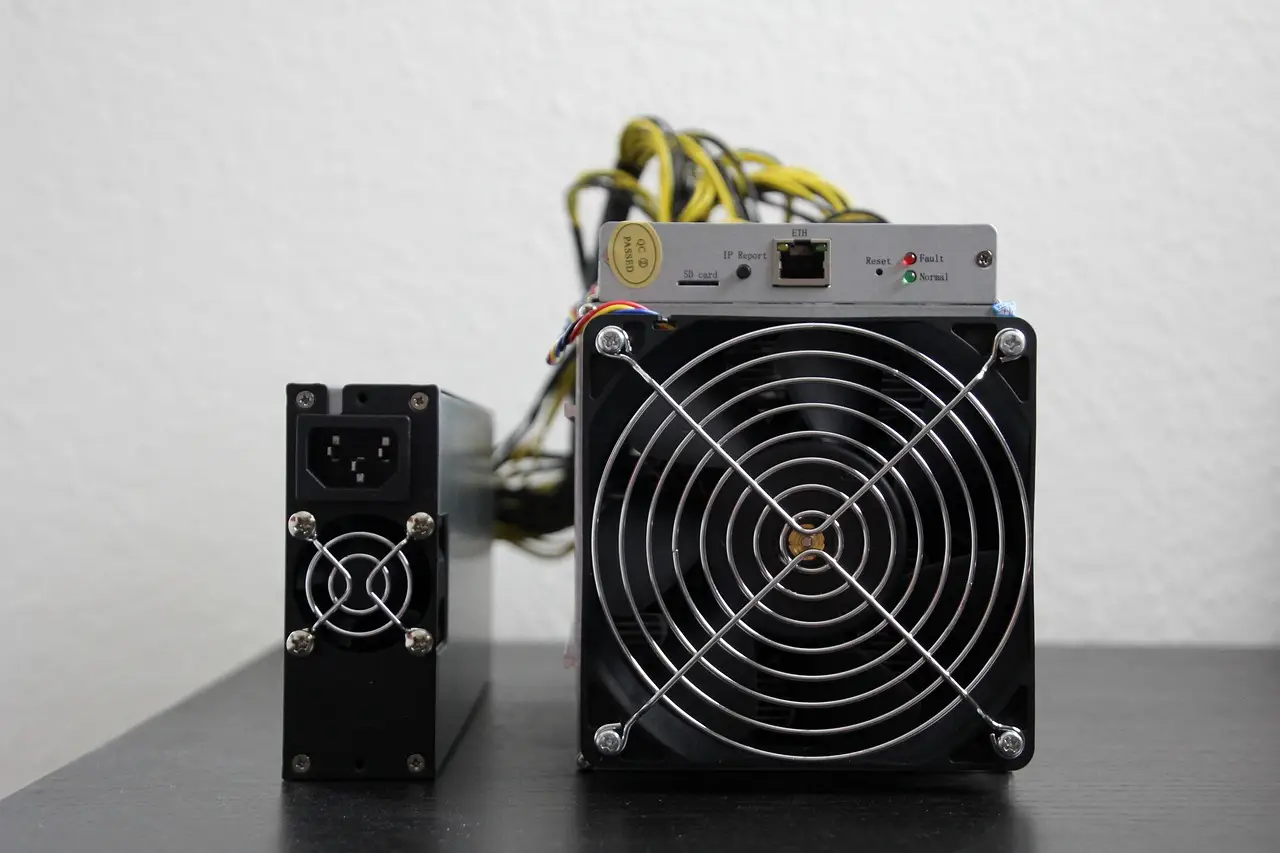
Bitcoin's network hashrate is 8% lower than a year ago, Glassnode said on November 24, as some miners powered down machines amid weaker prices. The on-chain analytics firm wrote on X, formerly Twitter, that “Bitcoin miners are powering down machines,” citing a record low for hashprice, its measure of miner revenue per unit of computing power.
That marks the first year-over-year decline since 2021, when China carried out a sweeping crackdown on digital-asset mining. Glassnode distinguishes the episodes: policy drove the earlier contraction, while Bitcoin's price drives the present one.
The comparison does not establish that miners are leaving China, nor does it show where the latest shutdowns occurred. The analysis names no affected operators, locations or machine models. The practical conclusion is narrower: mining economics have weakened, but the shutdown footprint remains unquantified.
What does the hashrate decline establish?
An 8% year-over-year drop means the network has less computing capacity than at the same point last year. The metric reflects lower active mining activity, but the report does not equate that decline with an 8% reduction in machine count.
Glassnode also did not disclose absolute hashrate, the number of miners participating or the number of machines offline. Without those figures, the network-level percentage cannot show the operating status of any individual facility.
The central finding is economic pressure on mining capacity, not a complete measure of how many machines went offline.
Why does hashprice matter?
Hashprice measures how much revenue miners generate for a unit of computing power. At a record low, the metric indicates less revenue for the same amount of mining work, weakening the case for keeping less-profitable equipment online.
That pressure raises the incentive for less-profitable operators to shut down equipment. Glassnode attributes the present contraction to Bitcoin's price, rather than to an enforcement action or mining ban comparable in kind to the 2021 Chinese crackdown.
The report does not provide the dollar value of hashprice, the Bitcoin price used in its comparison, electricity and hardware costs, or any operator's break-even level. It establishes the direction of pressure, but not the cash margin at a particular mine. The practical takeaway is that miners face weaker unit economics, although the analysis cannot rank individual operators.
What has not been established?
The analysis does not quantify how many machines are offline, how much hashpower remains available for restart or whether shutdowns are concentrated among smaller operators or larger facilities. It names no miner and gives no duration for the shutdowns.
The source therefore does not support a claim that 8% of Bitcoin mining capacity has disappeared permanently. Operators can idle equipment when economics deteriorate, but Glassnode does not state whether those machines will return if revenue per unit improves.
Nor does the report itemize machine-level records of each outage. Its quantified evidence is concentrated in the year-over-year hashrate comparison and the record-low hashprice reading. That evidence shows network stress, but it does not identify who bears it.
What should miners and investors watch?
The next test is whether hashprice stops setting record lows and whether hashrate begins to stabilize. A recovery in active capacity without an improvement in hashprice would not, by itself, demonstrate restored miner profitability.
Until absolute figures become available, the 8% decline should be treated as a measured contraction in network computing power, not a forecast of permanent industry exit. The immediate business consequence is lower utilization of some mining equipment; the longer-term market structure will depend on whether those machines restart or remain offline.
via en.bloomingbit.io (Source)
More from Elena Vasquez
Show full bio
Staff writer covering regulation, policy and their impact on crypto and web3 industry at Mempool Brief.
1,874 articles