30d3a58f-e
Bitcoin's Testnet5 Raises Minimum Difficulty to 1 Million
Bitcoin's Testnet5 drops the 20-minute difficulty rule, lifts minimum difficulty to about 1 million, and trials four consensus fixes ahead of a Bitcoin Core merge.
Outputs
Testnet5 raises minimum difficulty from 1 to roughly 1 million and removes Testnet4's 20-minute rule
Four proposed rules cover signature op caps, difficulty-period timestamp limits, 64-byte transaction rejection, and unique coinbase locktimes
Bitcoin Core 32.1, the release current as of Nov. 18, predates the Testnet5 build targeting the 32.x branch
Sparrow's integration proposal opened Nov. 17; Silent Payments tested successfully against two public Electrum servers on Nov. 18
Bitcoin's new Testnet5 went live with four proposed consensus fixes and a minimum difficulty roughly one million times higher than its predecessor, giving miners and pool operators a working environment to validate the changes before any mainnet decision.
The specification removes the 20-minute rule that defined Testnet4, under which miners could drop to minimum difficulty whenever a block's timestamp ran more than 20 minutes past the previous block, except at the start of a difficulty period. The authors of BIP95 said competing blocks mined under that exception caused frequent short reorganizations, where one set of recent blocks replaced another. Testnet5 deletes the rule and lifts the difficulty floor from 1 to approximately 1 million.
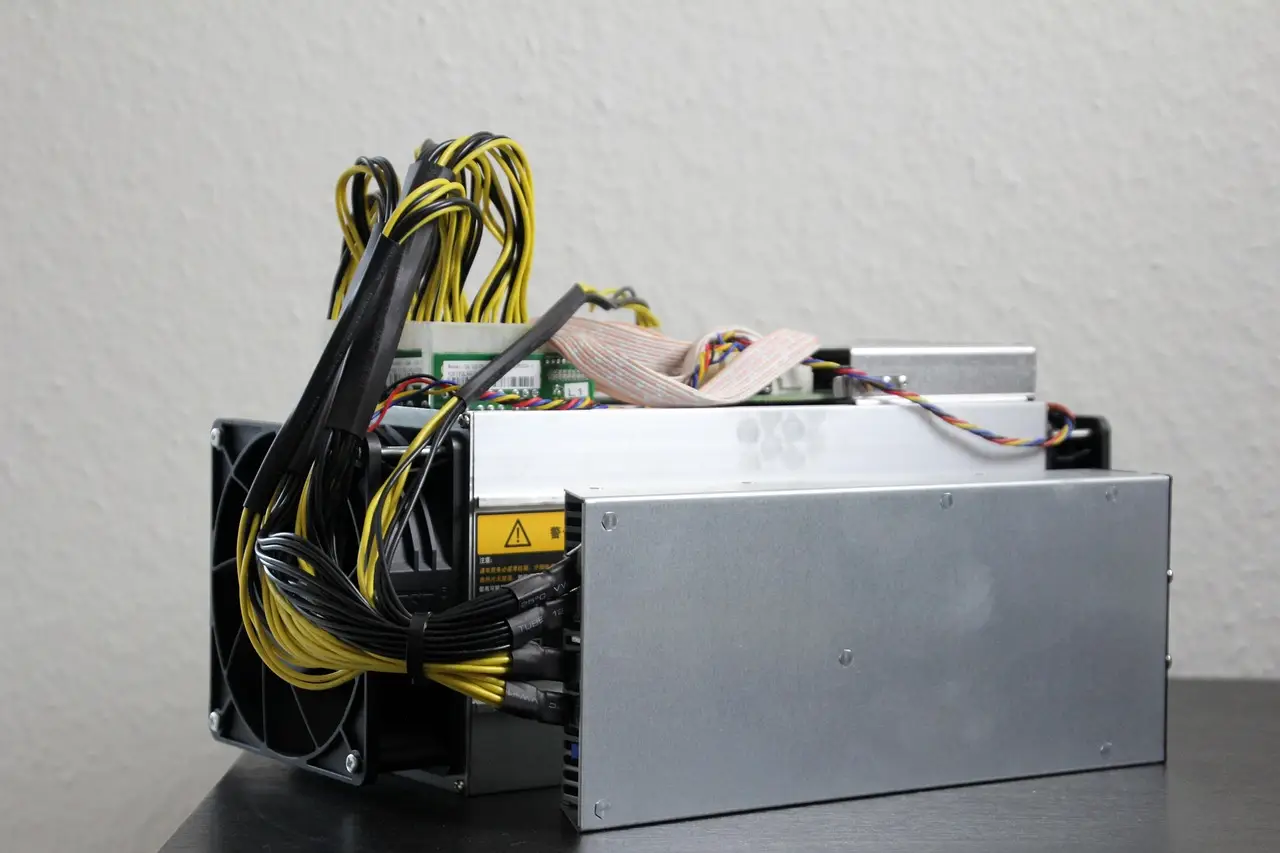
The authors chose that higher floor deliberately. It slows early block production before difficulty adjusts, while staying low enough that a single specialized mining machine can keep the test chain running.
What do the four proposed rules change?
Two rules constrain how much work blocks can impose and how miners manipulate timing:
- A cap on certain signature operations in ordinary transactions, limiting how long a block can take to verify.
- A restriction on timestamps at the start and end of each difficulty period, blocking miners from artificially driving difficulty down.
The third rule closes a technical ambiguity: nodes will reject transactions that measure exactly 64 bytes after witness data is removed, eliminating a corner case in proofs of transaction inclusion.
The fourth rule makes each new mining reward transaction unique. It requires the coinbase locktime to equal the block height minus one, and requires that locktime to take effect. Pool operators, whose software typically builds the reward transaction, can use Testnet5 to confirm their implementations apply the rule correctly.
How can miners test it now?
Independent miners and pools can build blocks with their own software on Testnet5 and observe whether other nodes accept those blocks under the new requirements. Early testers can build the Bitcoin Core patch and sync by manually connecting to a peer, according to the patch's author. The proposal targets Core's 32.x branch and still needs to be merged and shipped in a public release. Bitcoin Core 32.1, the latest release as of Nov. 18, predates the Testnet5 integration build.
Is wallet support coming?
Sparrow opened a wallet integration proposal late on Nov. 17 that would let users select Testnet5 and connect through two public Electrum servers. A Sparrow collaborator reported on Nov. 18 that the wallet's Silent Payments feature worked in tests against both servers. The proposal depends on an update to Sparrow's Drongo library and remained open as of that date.
The immediate audience is narrow: developers, pool operators and hardware testers who validate rule behavior before deployment discussions begin. The merged Core release, not the test network itself, marks the next checkpoint for wider adoption.
via cryptonews.net (Source)
More from Tom Whitfield
Show full bio
News editor covering technology and product news in crypto and web3 industry at Mempool Brief.
1,509 articles