0x3b321d943b32…3b321d97
Cardano Foundation Requests 25M ADA for 2027 Events, Budget Assumes Above-Market Price
The Cardano Foundation wants 24,995,775 ADA for a $5 million, 12-event 2027 programme priced at $0.20 per ADA — a third above the market price delegates will vote on.
Outputs
The Cardano Foundation requested 24,995,775 ADA for a 12-conference programme in 2027.
The proposal assumes ADA at $0.20, above the roughly $0.15 market price, creating a ~$1.25 million indicative gap.
About $2 million of the dollar budget is allocated to sponsorships across the 12 events.
Delegated representatives previously rejected funding for the Foundation's 2026 flagship summit, which was cancelled.
Approval is not guaranteed; the funds remain in the treasury pending the governance vote.
The Cardano Foundation has asked the community treasury to release 24,995,775 ADA — roughly $5 million at its assumed exchange rate — to fund a 12-conference global programme in 2027. The proposal, examined by CoinDesk, prices ADA at $0.20, while the token traded near $0.15 during Tuesday's reporting. That spread leaves an indicative funding gap of about $1.25 million, and the request is far from guaranteed approval.
At 20 cents, the requested 24.995 million ADA comes to just under $5 million. At 15 cents, the same tokens are worth roughly $3.75 million. The precise shortfall will move with the token price and the timing of any withdrawal or conversion, according to the proposal figures reported by CoinDesk and crypto.news. The Foundation has said it would operate within whatever amount is actually withdrawn, meaning delegates must weigh both the programme's strategic case and the risk that a variable funding base shrinks its scope.
What does the money actually buy?
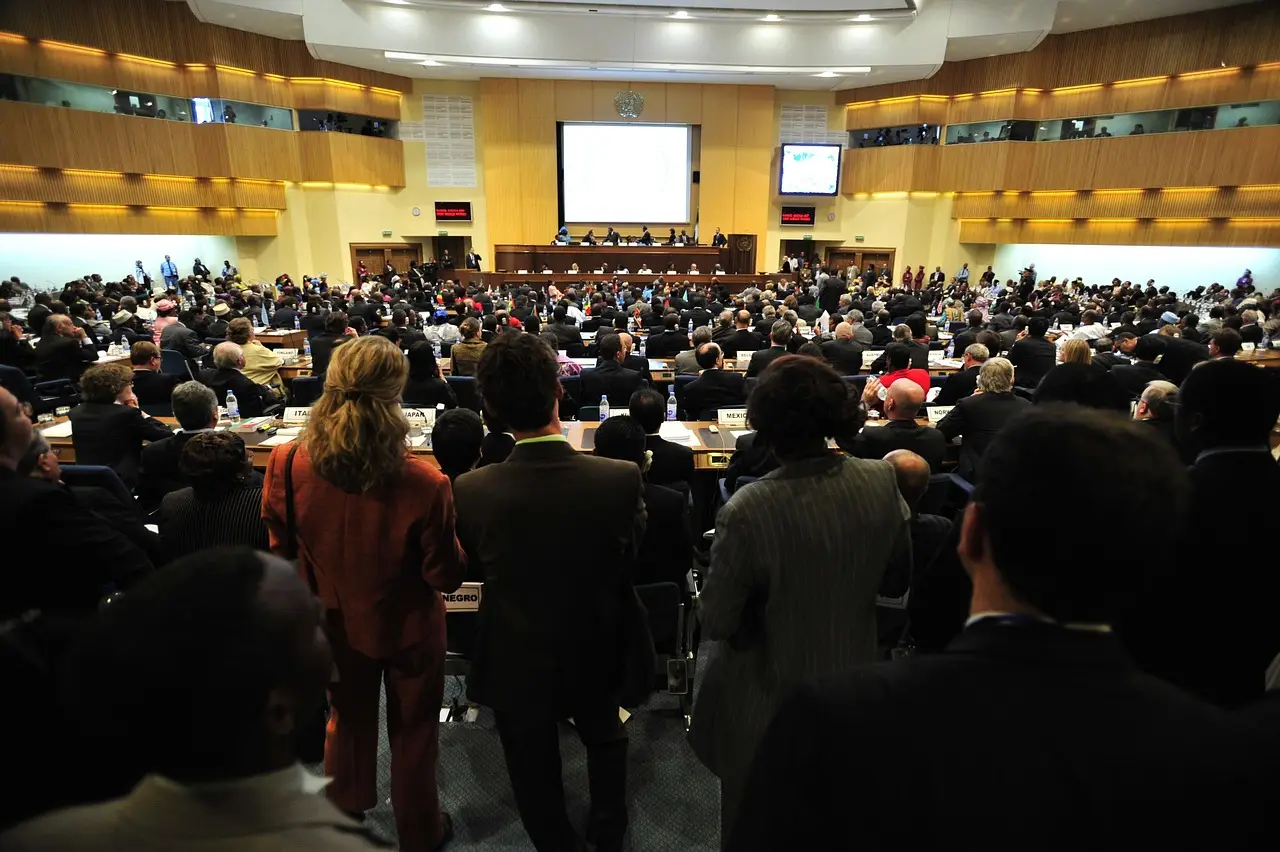
The programme covers 12 conferences across multiple regions, combining sponsorships, exhibition booths, project participation, travel and side events. Roughly $2 million of the dollar budget is earmarked for sponsorships, with material additional allocations for exhibition equipment, travel and hackathons.
The Foundation argues that participating Cardano teams would gain access to shared stands and structured opportunities to meet developers, partners and prospective users. It has set targets for contacts made, developer engagement and potential collaborations. Delegates can benchmark those targets against the cost per event — about $416,000 on average across the 12 conferences — and demand reporting on actual outcomes.
The request is a marketing and ecosystem-development spend from the community treasury, not an acquisition of a financial asset owned by token holders. That distinction matters for how delegates judge it: the return on conference participation is harder to measure than transaction counts or active users, and the proposal's own framework acknowledges as much.
Why delegates may say no
Cardano's delegated representatives have already demonstrated they will reject events spending. They previously turned down funding for the Foundation's 2026 flagship summit, which was subsequently cancelled. That episode established that governance votes can impose real spending discipline rather than rubber-stamp an established institution's budget.
The new request also lands amid a separate treasury controversy over a proposal to purchase physical copper. The decisions are distinct, but together they show delegates scrutinising what counts as a legitimate use of the community's assets. A proposal document is not a disbursement.
How should voters evaluate a dollar budget funded in ADA?
The structural question is currency mismatch. A programme priced in dollars but funded in a volatile token carries exchange-rate risk that neither the Foundation nor the delegates fully controls. If ADA falls further before conversion, the same token allocation buys less programme; if it rises, unspent assets could — in principle — return to the treasury.
The debate has sharpened calls for better disclosure standards in decentralized treasury governance. Proposal authors, critics argue, should publish:
- The ADA conversion rate used, and the date it was calculated
- A full fiat-cost breakdown per event
- Milestone-based disbursement schedules rather than lump-sum withdrawals
- A clear mechanism for returning unused funds to the treasury
Voters can then compare expected community reach against alternative uses of scarce treasury assets. Without that measurement layer, even a well-attended event is hard to evaluate financially; with it, later proposals can cite more than attendance estimates and social-media impressions.
What happens next
This is a live governance choice, not a concluded allocation. The vote will test two things at once: delegate confidence in the Foundation's events strategy, and the community's tolerance for the gap between dollar-denominated estimates and ADA-denominated funding. If the copper dispute and the cancelled 2026 summit are any guide, approval is genuinely contestable.
The follow-ups that matter are the voting result, any adjusted programme budget, and the Foundation's eventual reporting against its participation targets — not a price forecast extrapolated from a single proposal. For now, the 24,995,775 ADA stays in the treasury until delegated representatives decide whether the $0.20 assumption is one they're willing to underwrite.
via newsbtc.com (Source)
More from Daniel Okafor
Show full bio
Correspondent covering people, launches and day-to-day practice in crypto and web3 industry at Mempool Brief.
1,514 articles