8e37f696-0
CLARITY Act Faces 2027 Dead Zone as Hill Concedes Lame-Duck Failure
French Hill says the CLARITY Act is unlikely to pass before January 3, deferring crypto market structure to a Democratic Congress weighing a rival SEC-led bill.
Outputs
Senate blocked the CLARITY Act 49-50 on Sept. 15; House passed it 294-134 in July 2025.
The bill dies when Congress ends Jan. 3 unless the lame-duck session revives it.
Industry spent $55 million against Sen.-elect Sherrod Brown, who won anyway.
GENIUS Act stablecoin law takes effect Jan. 18, 2027, with Treasury rules still pending.
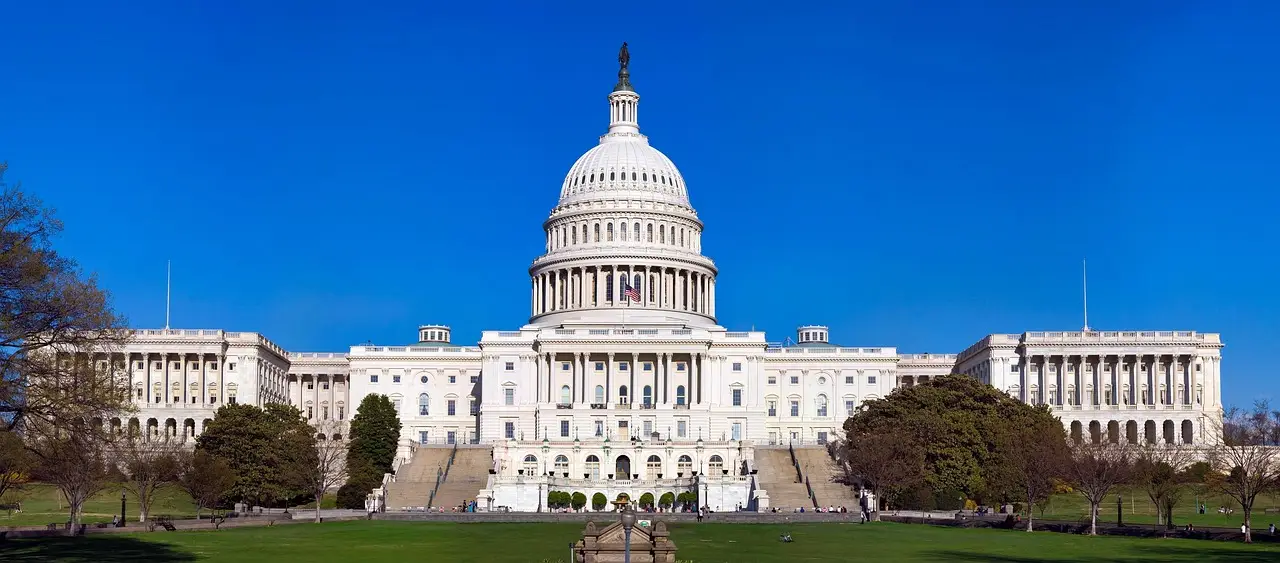
House Financial Services Committee Chairman French Hill said Thursday that the CLARITY Act, the flagship crypto market structure bill, is unlikely to pass before the current Congress ends on January 3, deferring federal digital asset rules to a Democratic-controlled chamber that has already sketched an alternative framework.
Speaking at the Capitol Crypto Forum in Washington, the Arkansas Republican put the odds bluntly. "We never give up hope in a lame duck, but it is lame, and therefore the chances are not high," Hill said. He plans to reintroduce market structure legislation in the next Congress, which convenes in January.
"I regret that it was not something we could get done effectively in this Congress," Hill said. He noted that 78 Democrats voted for the bill in the House and said he expects that support to carry over. One caveat follows that promise: those votes occurred under Republican control, and committee dynamics change when the gavel moves.
Hill also pointed to a memo that Rep. Maxine Waters, the committee's top Democrat, circulated to House Democrats naming digital asset market structure as a priority should she become chair. Encouragement, however, is not endorsement — Waters' version of market structure differs sharply from Hill's, according to three industry sources cited by journalist Eleanor Terrett.
What killed the Senate vote?
The Senate blocked the CLARITY Act on September 15, voting 49-50 on a procedural motion that required 60 votes. All Democrats and four Republicans opposed it, CBS News reported. Sen. Thom Tillis entered a motion to reconsider, keeping a second vote technically alive, though nobody has scheduled one.
Sen. Bernie Moreno, the bill's lead Senate sponsor, told the same forum there is "no scenario" in which crypto legislation passes during the lame-duck session. Government funding, the National Defense Authorization Act and the farm bill take priority, according to The Hill, and the session ends in under a month. The bill dies with the Congress on January 3 absent a revival.
The House passed the legislation 294-134 in July 2025. President Donald Trump urged lawmakers in August to send it to his desk, but Democrats objected that its ethics provisions did not adequately address his potential crypto conflicts of interest. Regulators have since moved on their own, including an SEC exemption for tokenized stocks.
How exposed is the industry politically?
The industry spent $55 million trying to defeat Sen.-elect Sherrod Brown of Ohio, who won his seat back anyway, Politico reported Thursday. Democrats retake both the House and Senate in January.
Sen. Ruben Gallego, an Arizona Democrat who spent months negotiating the Senate bill, offered a blunt assessment to Politico's Jasper Goodman: "They're f***ed." Terrett has reported that House Democrats are discussing Waters' Crypto Investor and Consumer Bill of Rights as their market structure vehicle — a design giving the SEC a larger role and the CFTC a smaller one. Republicans dismiss it as a "messaging bill."
Why the GENIUS Act deadline sharpens the gap
Hill warned that the SEC and CFTC cannot fill the legislative void through exemptive relief alone, because exemptions do not create durable legal certainty. "When you pass GENIUS without CLARITY, it's like passing and creating a cell phone, but you have no cell network," he said.
The GENIUS Act, the stablecoin law Trump signed in July 2025, takes effect January 18, 2027, while Treasury still drafts implementing rules. Sens. Cynthia Lummis and Kirsten Gillibrand, joined by four other senators, asked Treasury Secretary Scott Bessent to extend a safe harbor to stablecoin issuers in states with rules in place before January 18, 2028. Issuers now face roughly 14 months to compliance with no market structure statute beneath them.
via x.com (Original)
More from Elena Vasquez
Show full bio
Staff writer covering regulation, policy and their impact on crypto and web3 industry at Mempool Brief.
1,647 articles