0x5bd9f4065bd9…5bd9f403
CLARITY Act Stalls 11 Votes Short in Senate, Facing January Reset
The Senate's Sept. 15 cloture failure left the CLARITY Act 11 votes short. Democrats' midterm wins now set the terms for a January reset — unless a lame-duck deal intervenes.
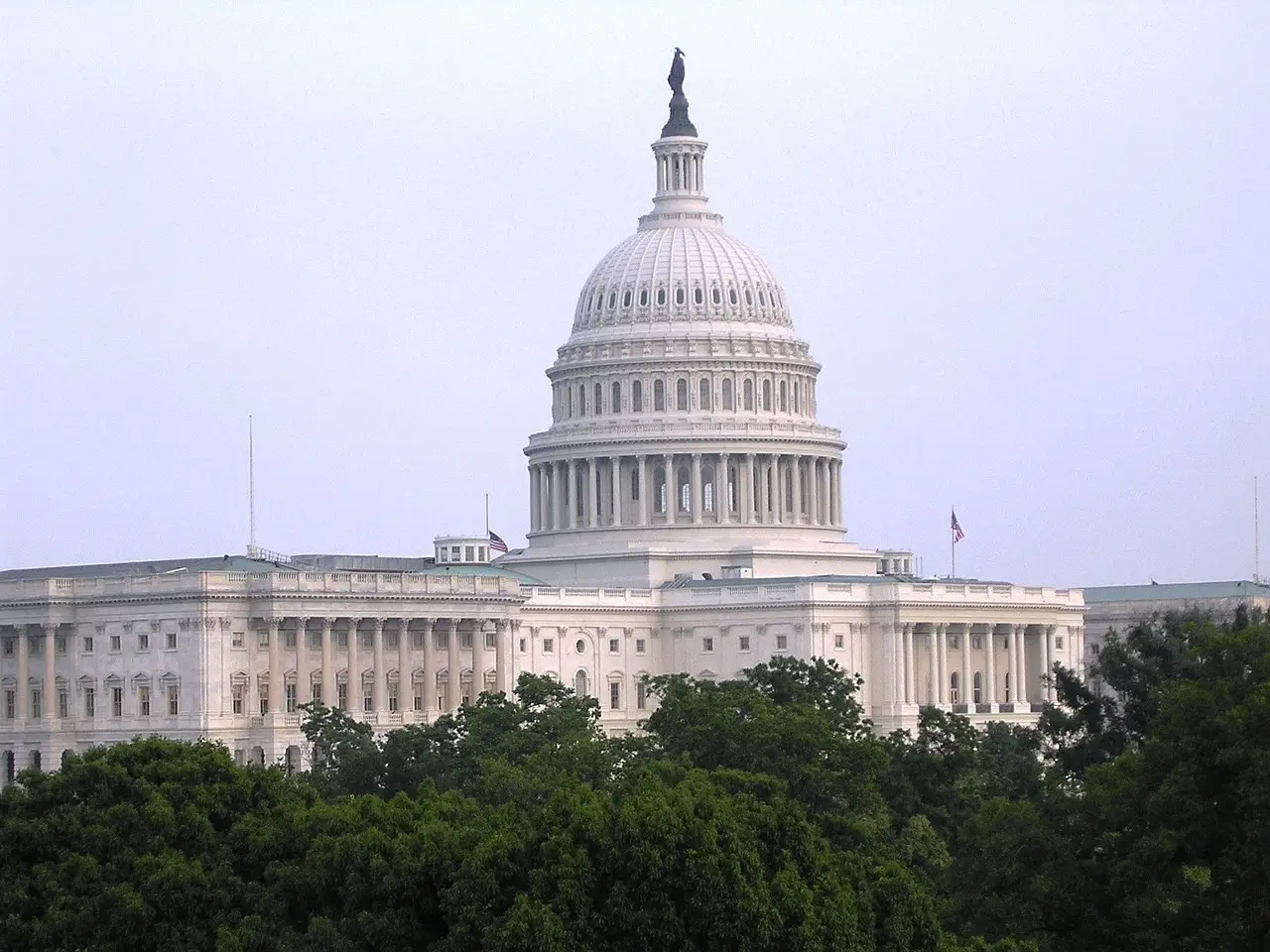
Outputs
The Senate's Sept. 15 cloture vote on the CLARITY Act failed 49-50, eleven votes short of the 60 required.
The House passed the CLARITY Act with bipartisan support in July 2025.
The Senate Banking Committee holds a nomination hearing for SEC commissioner candidates Steven Levine and Kristin Johnson on Nov. 19.
Democrats won control of both chambers in the midterms, reshaping negotiations for the next Congress starting January.
Bills not enacted before Congress adjourns sine die must be reintroduced in the new session.
The Senate blocked the CLARITY Act from reaching the floor on Sept. 15, falling 11 votes short of the 60 needed for cloture on the motion to proceed. The tally was 49 in favor, 50 against, one not voting. That procedural failure, documented in the Congressional Record's daily digest, now defines the bill's race against the January start of a new Congress.
It was not a final vote on the legislation itself. That distinction matters. Senators can oppose opening debate on one version of a bill while supporting a revised text later. Sen. Thom Tillis entered a motion to reconsider after the roll call, preserving a procedural route back to the floor — but preserving it does not prove the coalition exists.
What does the January deadline actually change?
Democrats won control of both chambers in the midterm elections. When the new Congress convenes, incoming majorities will control committee gavels, hearing schedules and which bills come forward. The current Congress can still legislate during the lame-duck session, provided supporters secure floor time, agreement on the text and passage in both chambers.
If CLARITY is not enacted before Congress adjourns sine die, the bill does not carry over. Under Senate Republican Policy Committee rules on legislative terms, it must be introduced again. Reintroduction could reuse earlier language, revise it heavily or split the issues into separate measures. Hearings, staff expertise and negotiated definitions survive the reset; political compromises do not automatically transfer to a new committee chair with different conditions.
The House passed CLARITY in July 2025 with bipartisan support, but a House coalition does not supply Senate votes. Disagreements over investor protections, national security and the treatment of token offerings remain central, and Democrats' support has always come with conditions.
Sen. Elizabeth Warren tied her opposition before the September vote to the bill's treatment of consumer protection and national security. Sen. Cynthia Lummis, in a Nov. 15 statement, criticized Democrats' insistence on an SEC entrance for crypto businesses as an obstacle to agreement. Both positions describe the current text, not whether any future framework is possible.
Where the substance still divides lawmakers
The core dispute concerns how token issuers and intermediaries enter a regulated system. The framework must specify which activities fall under securities oversight, which fall under commodities oversight, and what firms must do before serving customers.
Those choices determine disclosures, registration, supervision and which regulator can demand information when something goes wrong. A token first sold to finance a network and later traded on multiple platforms raises separate questions at each stage — the offering, the issuer's continuing statements and the platforms' conduct — even though customers see the same token symbol throughout. A transition rule must explain what happens to earlier obligations when an asset moves between regulatory categories, because reclassifying trading does not settle claims about how money was raised.
Clearer definitions are not automatically lighter obligations. A new framework could require more reporting or supervision for activities that previously operated in disputed territory.
The parallel track: SEC nominations
The Senate Banking Committee has scheduled a nomination hearing for Nov. 19 at 10 a.m. Eastern in Dirksen 538, covering prospective SEC commissioners Steven Levine and Kristin Johnson. Committee Chair Tim Scott, after the September vote, urged regulators to act while Congress continued its work.
Confirmation, however, would not enact CLARITY. Commissioners exercise powers supplied by existing law; they cannot create the new statutory allocation of authority between the SEC and CFTC that the bill contemplates. The two tracks deserve separate tracking.
What to watch
- Revised legislation: published amendments explaining how issuers, trading platforms and the SEC-CFTC division of responsibility would change.
- Senate floor notice: an official schedule for reconsideration, with evidence the 11-vote shortfall has been addressed.
- Named Democratic support: senators identifying provisions that would secure their votes.
- House agreement: confirmation the House would accept Senate revisions, since both chambers must pass identical text before it reaches the president.
- Nov. 19 hearing: answers distinguishing nominees' existing powers from responsibilities requiring new statute.
The September vote records the obstacle. The remaining lame-duck calendar records the shrinking window to overcome it — and a year-end spending package offers one possible vehicle, though attaching crypto provisions to a larger measure does not dissolve the disagreements behind them.
via crypto.news (Source)
More from Marcus Bennett
Show full bio
Senior reporter covering money, funding and market shifts around crypto and web3 industry at Mempool Brief.
1,456 articles