CleanSpark may sell more Bitcoin than it mines to reduce treasury risk
CleanSpark sold 2,102 BTC against 1,708 mined in the September quarter and is considering recurring excess sales, a shift that could reduce dilution risk but shrink its Bitcoin treasury.
Outputs
CleanSpark sold 2,102 BTC and mined 1,708 BTC in the September quarter, its first quarterly inventory contraction since at least 2024.
Quarter-end holdings stood at 13,530 BTC, last valued at $806 million.
The company reported a $987 million fiscal-year net loss and a $304.2 million adjusted EBITDA loss.
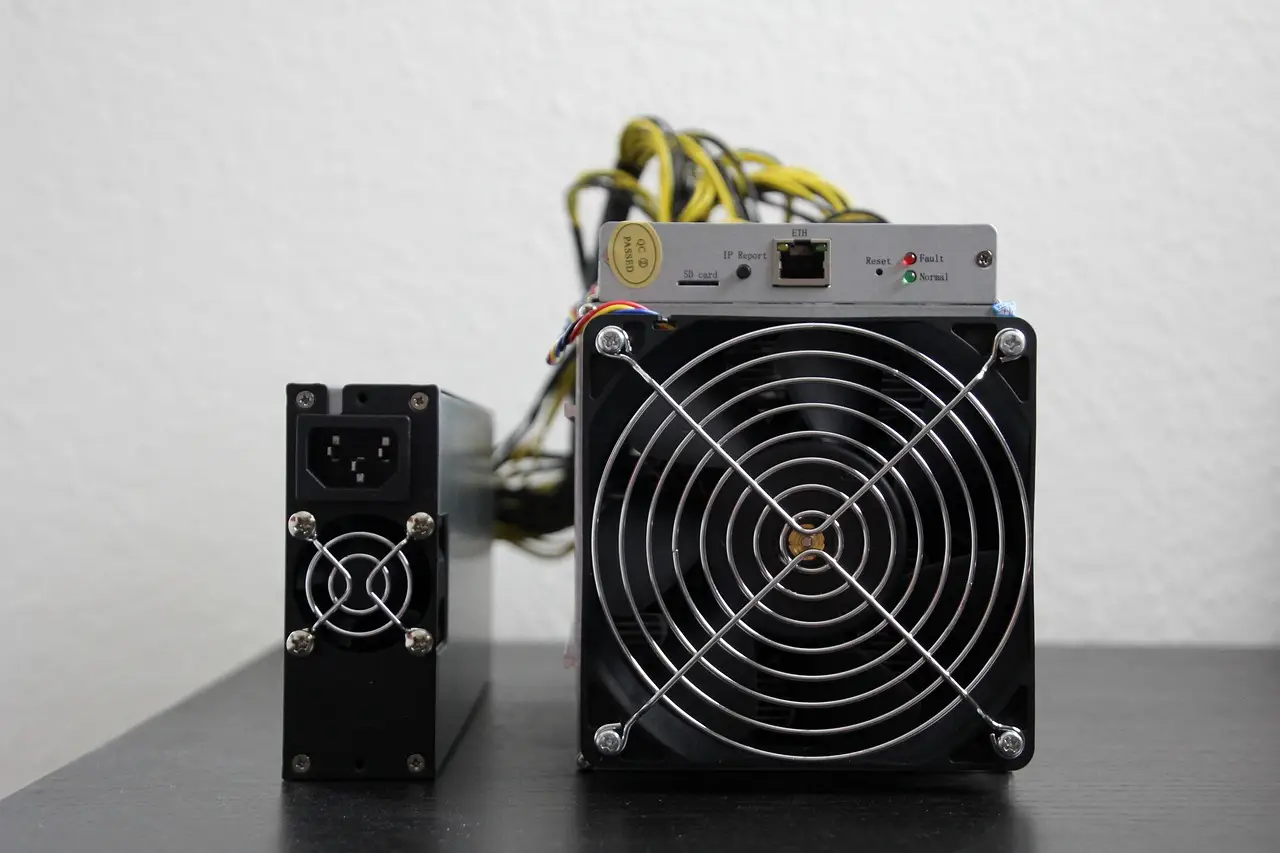
CleanSpark removed about 25,000 mining machines, leaving roughly 200,000 operating at an efficiency of 14.8 joules per terahash.
The first Sandersville AI data hall remains scheduled for Q4 2027, with miner disconnections expected to begin in late 2027.
CleanSpark sold 2,102 BTC in the September quarter while mining 1,708 BTC, ending Sept. 30 with 13,530 BTC, its first quarterly inventory contraction since at least 2024. CFO Gary Vecchiarelli said on Tuesday’s Q4 earnings call that the company may sell slightly more than it mines to reduce treasury risk.
The figures came from a Cointelegraph tally of CleanSpark’s monthly operating updates. Sales exceeded production by 394 BTC, and the remaining holdings were last valued at $806 million. Selling beyond production could reduce the coin count further, although the treasury’s dollar value would continue to track Bitcoin’s market price.
What does selling beyond production change?
Vecchiarelli said CleanSpark already aims to sell virtually all the Bitcoin it mines to cover day-to-day operating costs. A small surplus sale would add cash without requiring the company to issue shares or take on more debt simply to support growth.
“We see the selling of a small amount of Bitcoin in excess of the quarterly production to be one way of de-risking,” Vecchiarelli said.
His approach is explicitly market-sensitive. He said the proceeds could prevent dilution or additional borrowing, which would matter as CleanSpark considers acquisitions funded partly through asset sales rather than fresh capital.
“But again, we are going to be sensitive and very reactionary to markets, and we are going to use that capital to make sure that we prevent dilution or bringing additional debt just to grow the company,” he said.
CleanSpark also sold an undisclosed amount of Bitcoin after September to raise cash for expected acquisitions. Vecchiarelli described its holdings as a liquid source of non-dilutive capital, giving the company a way to fund transactions without diluting existing shareholders.
How does the treasury strategy sit against a $987M loss?
CleanSpark recorded a $987 million net loss for the fiscal year ended Sept. 30, compared with $364 million of net income a year earlier. The company attributed two-thirds of the swing to noncash adjustments in the value of its Bitcoin holdings as Bitcoin’s price fell from about $114,100 to $83,600.
Core operating results also weakened. Full-year revenue totaled $576.5 million, down 25% from the prior year, while adjusted EBITDA was a loss of $304.2 million. The combination makes treasury sales a source of liquidity, but it does not erase the company’s reported operating losses.
Before the earnings release, CleanSpark shares fell 7.5% Tuesday to $5.12 and traded 2.25% lower after hours.
What does the mining fleet cut mean for the AI plan?
CleanSpark cut about 25,000 machines from its Bitcoin mining fleet during the September quarter, leaving roughly 200,000 in operation. Energy efficiency improved to 14.8 joules per terahash from 15.8 in the previous quarter, according to Vecchiarelli.
He said the lower consumption should help CleanSpark remain profitable if mining conditions deteriorate ahead of the 2028 Bitcoin halving. He also said hash rate would probably fluctuate and that the company would continue mining as long as the operation remained profitable.
In Sandersville, Georgia, CleanSpark’s first AI data hall remains on track to come online in the fourth quarter of 2027. The company expects to begin unplugging miners at the site in late 2027 as the data center starts operating, then decide whether to relocate or sell those machines.
That schedule sets a timetable for a mining-and-AI transition at the same site, while hash-rate decisions remain tied to mining profitability.
The next quarterly operating update will show whether sales above production recur, while late 2027 remains the scheduled start of CleanSpark’s Sandersville miner shutdown as its first AI data hall comes online.
via s21.q4cdn.com (Original)
More from Daniel Okafor
Show full bio
Correspondent covering people, launches and day-to-day practice in crypto and web3 industry at Mempool Brief.
1,875 articles