Coinbase Wallet Opens USDC Paycheck Deposits for U.S. Users
Coinbase Wallet now lets eligible U.S. users route paychecks into USDC on Base, converting dollars one-for-one at no deposit fee, with a $3,000 per-deposit cap and $10,000 daily limit.
Outputs
Coinbase Wallet began rolling out U.S. direct deposit in USDC on Base on Nov. 25, with no Coinbase deposit fee.
Limits are $3,000 per deposit and $10,000 per day, with one virtual account per user.
Identity verification takes up to 24 hours; deposits typically arrive within one to three business days.
USDC rewards require linking a Coinbase account and separate enrollment; rewards pay out within the first five business days of the following month.
Bitwage restricts USDC payouts to users outside the U.S., leaving Coinbase Wallet as the domestic native option.
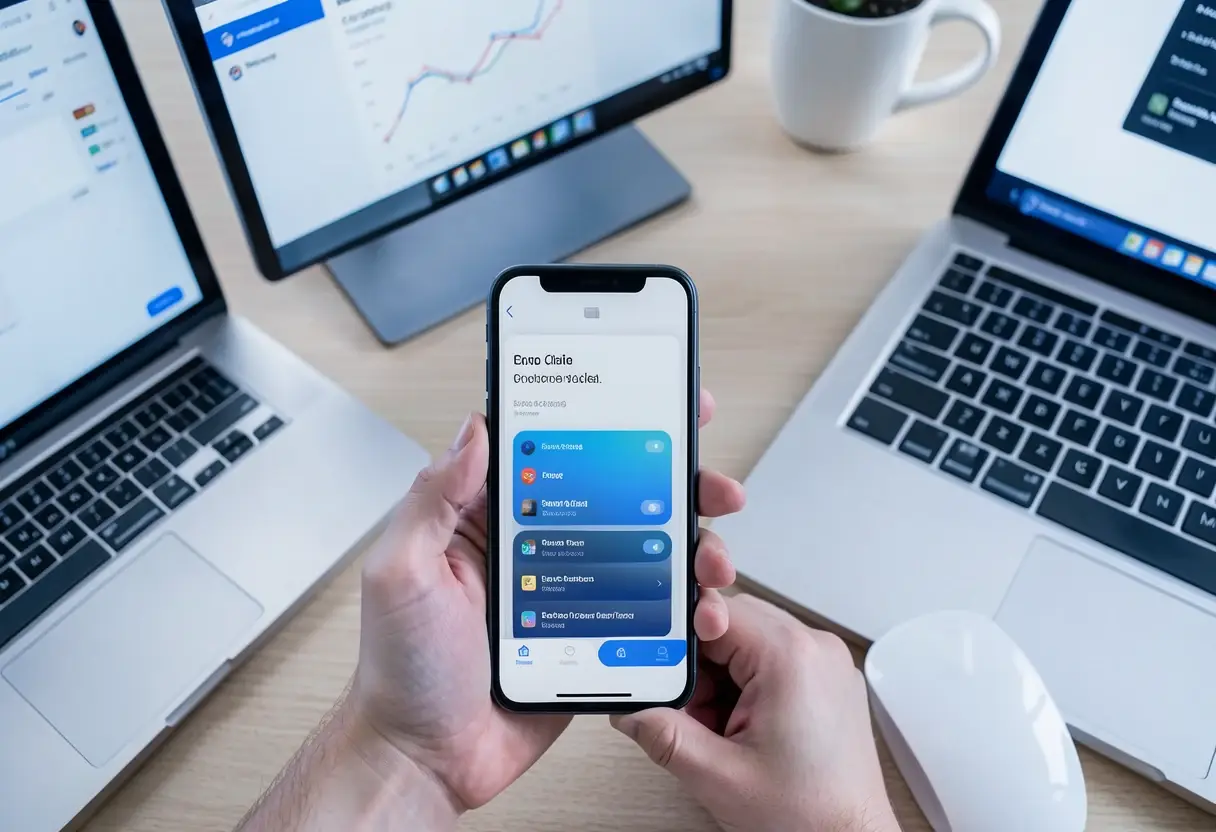
Coinbase Wallet has begun rolling out direct deposit for eligible U.S. users, letting them receive all or part of a paycheck as USDC on Base, with no deposit fee charged by Coinbase. The Nov. 25 announcement on X came with firm operating limits: a $3,000 cap per deposit and a $10,000 daily deposit limit, according to the launch graphic.
The mechanics are conventional payroll, not a crypto payment rail on the sender side. The user receives a virtual account with account and routing numbers inside the wallet app. The worker hands those numbers to an employer or payroll provider, who sends U.S. dollars through its existing payroll process. Coinbase's deposit guide states the dollars convert one-for-one into USDC when the deposit arrives, and the payment appears in the wallet as an incoming USDC transaction on Base.
How the enrollment flow works
Eligible users find Direct Deposit under Add Funds in the mobile wallet, per Coinbase's help page. The company cautions that some wallets may still show an option called Receive USD under Transfer, so setup depends on what appears in the app. If Direct Deposit is absent from Add Funds, that version of the feature is unavailable for the selected wallet.
Enrollment requires personal and contact information and an identity check. Coinbase says verification can take up to 24 hours. Once the virtual account is ready, the app displays the account and routing numbers, and the worker sets the amount to route to the wallet, keeping the rest in a conventional bank account if the payroll setup supports a split.
One practical example from the deposit guide: a worker who sends $500 to the virtual account through payroll receives 500 USDC at the stated conversion rate. For anyone who wants to hold or send USDC on Base, that removes a separate exchange purchase and transfer from the workflow.
What do the caps change for higher earners?
The per-deposit cap applies even when a worker remains below the daily limit. For anyone earning more than $3,000 per paycheck — roughly a $72,000 annual salary paid biweekly — a full-wage deposit will not clear. The split-deposit option is the workaround: a portion of the pay goes to the wallet while the remainder stays in a standard account. Coinbase's launch graphic also specifies one virtual account per user.
Deposits typically arrive within one to three business days, which means this is not an instant-settlement product; it moves at the speed of the payroll system behind it. Coinbase charges no deposit fee, though payroll providers may charge their own. If a payment has not appeared after three business days, the help page directs users to verify the routing and account numbers with the sender before contacting support with the amount, the date sent, and the sender's name.
The banking partner stays unnamed
Coinbase's older guide names payments provider Bridge as the company that verifies users and converts incoming dollars in the Receive USD flow. The U.S. guide for the new rollout leaves the banking partner behind the virtual accounts unnamed. The launch announcement gave no figures for sign-ups or payroll deposits, so adoption data remains private.
Rewards require a separate step
Earning yield on the deposited stablecoin is not automatic. Coinbase's rewards guide includes eligible USDC balances held on Base in its loyalty program, but U.S. users must link a Coinbase account and activate rewards from the USDC asset page. The guide describes rewards in terms of the balance held in the wallet, without listing a separate rate for paychecks. Coinbase displays the current rate in the app and sends earned rewards to the wallet on Base within the first five business days of the following month.
Where this fits in the wage-to-crypto market
Stablecoins already feature in payment apps customers use for spending and holding dollar balances. DWF Labs estimated that customers spent 65 to 75 cents of every dollar added to crypto cards, according to its card spending research, which tracks card top-ups and spending behavior. Coinbase's rollout is different in kind: it funds a wallet from recurring wages rather than from discretionary card top-ups.
The closest incumbent is payroll specialist Bitwage, which lets U.S. employees allocate part of their pay to crypto, stablecoins, or local currency and sends the proceeds to a wallet or bank account of their choosing. Bitwage's payout guide lists U.S. dollar bank transfers and several digital currencies, with one notable restriction: USDC payouts are limited to users outside the United States. Coinbase Wallet's direct deposit now gives domestic workers a native route to the same asset that Bitwage reserves for its non-U.S. users.
What this changes for practitioners is the removal of the exchange step from recurring wage conversion, at the cost of deposit limits, a one-to-three-day settlement window, and a rewards enrollment that must be handled separately. The rollout is live for eligible U.S. users now, and the unnamed banking partner behind the virtual accounts is the detail worth watching as the program scales beyond the $10,000 daily ceiling.
via crypto.news (Source)
Filed underUsdcCoinbase WalletBaseDirect DepositPayroll
More from Nathan Brooks
Show full bio
Market editor covering money, funding and market shifts around crypto and web3 industry at Mempool Brief.
1,895 articles