0x7d4e2dd27d4e…7d4e2dd5
Cypherpunk Mined $9.9M in Zcash Revenue in 44 Days
Cypherpunk Technologies mined 8,967 ZEC for $9.9 million in 44 days at $104.33 per coin, as its network share slid to 13.1% against a 25% target.
Outputs
Cypherpunk Technologies generated $9.9 million in Zcash mining revenue between August 18 and September 30, 2026
The company mined 8,967.29 ZEC at an average cost of $104.33 per coin, excluding equipment depreciation
Network share fell from 18% at launch to 13.1% by November 13 as total hashrate rose to ~32 GSol/s
The fleet maintained approximately 95% uptime on 4.2 GSol/s of deployed hashrate
Cypherpunk targets 25% of network hashrate and 5% of total ZEC supply
Cypherpunk Technologies generated $9.9 million in Zcash mining revenue in 44 days, according to operational figures the company disclosed covering the period from August 18 to September 30, 2026. The company mined 8,967.29 ZEC over that window, consolidating its position as one of the largest institutional holders of ZEC.
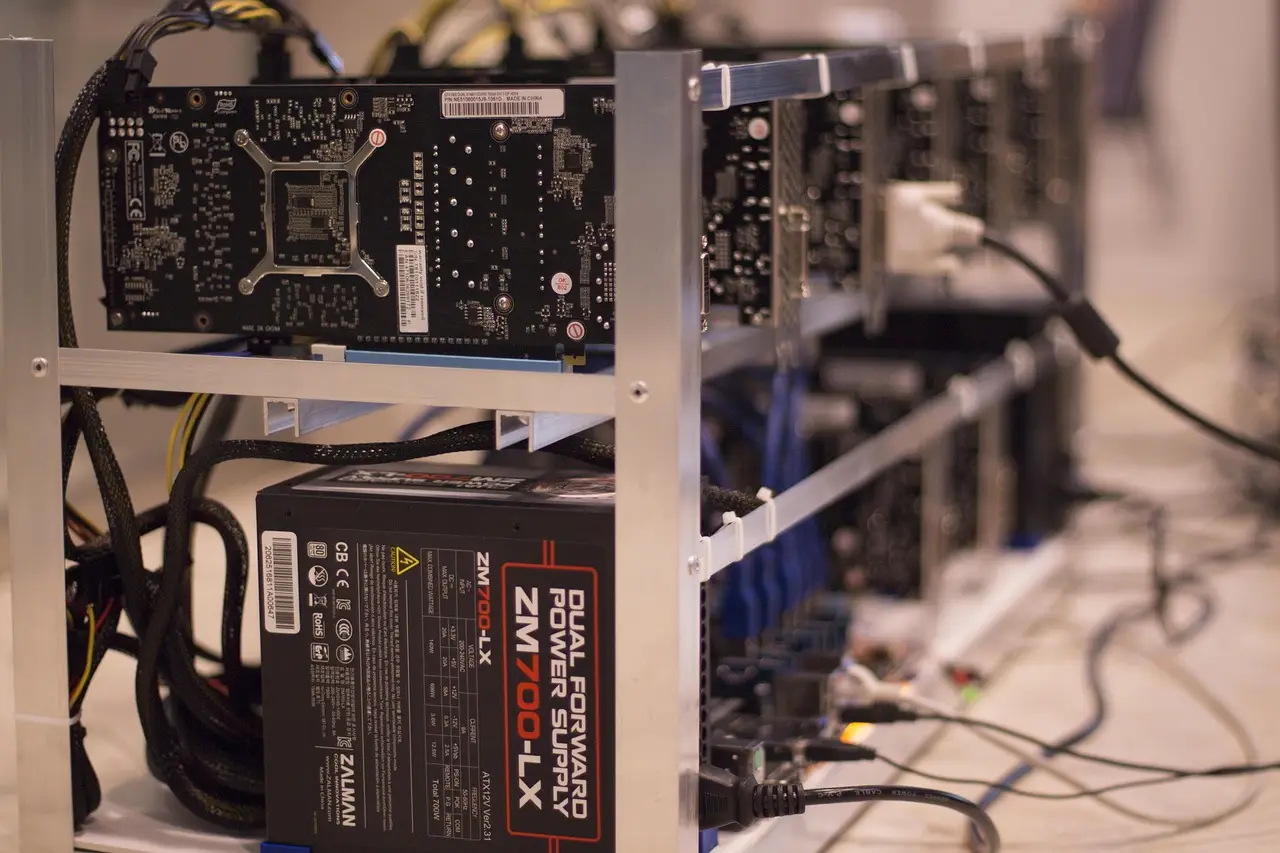
The disclosure details a deliberately scaled institutional mining operation rather than a hobbyist venture. Cypherpunk launched the fleet in August 2026 with approximately 4.2 GSol/s of deployed hashrate on the Equihash-based Zcash network. The fleet maintained roughly 95% uptime through the reporting period, a figure that matters for practitioners because downtime on proof-of-work fleets translates directly into unrecoverable block-reward leakage rather than deferred output.
What does the cost structure change for treasuries?
Cypherpunk reported an average mining cost of $104.33 per ZEC, excluding equipment depreciation. That exclusion is not cosmetic. Strip-out of depreciation flatters the headline cost, and any institution modeling a comparable program must treat hardware amortization — often 30% to 50% of all-in cost per coin on ASIC-grade fleets — as a real cash outflow spread across the equipment's useful life. Even on the stated basis, the figure gives corporate treasuries a concrete benchmark: mining can accumulate ZEC at a cost set by electricity and efficiency rather than by spot-market execution, provided uptime and hashrate share hold.
The $9.9 million revenue figure works out to roughly $225,000 per day over the 44-day window, or about 204 ZEC produced per day on average. Against a Zcash emission schedule that pays a fixed block reward approximately every 75 seconds, Cypherpunk's output implies the company captured a mid-teens share of newly issued coins during the period.
Why has the network share fallen?
The same disclosure carries a caveat that practitioners should not skip. Cypherpunk's share of total Zcash network hashrate declined from 18% at launch to 13.1% by November 13, 2026. The cause was not an offline fleet but competition: total network hashrate rose to approximately 32 GSol/s, diluting every participant's proportional claim on block rewards.
The company has stated a target of reaching 25% of network hashrate. Closing the gap from 13.1% toward 25% at a network size of 32 GSol/s would require deploying roughly another 4 GSol/s of capacity — effectively doubling the current fleet — and would likely trigger a further competitive response from other miners, compressing margins across the network.
The company has also articulated a longer-term objective of accumulating 5% of the total ZEC supply. Because Zcash has a hard-capped supply of 21 million coins, that target implies holdings on the order of one million ZEC, an accumulation pace that at current production levels would take years of sustained mining plus supplemental purchases.
For Zcash's market structure, the development cuts both ways. An institutional miner committing capital at this scale adds baseline security and predictable hashrate to the network. It also concentrates coin issuance and, over time, circulating supply, in a single corporate treasury — a governance and liquidity consideration for a privacy chain that already draws regulatory scrutiny.
The next checkpoint for observers is whether Cypherpunk's deployment cadence keeps pace with network growth through the first quarter of 2027, when its share figure will either validate or undercut the 25% hashrate target.
via cryptonews.net (Source)
More from Nathan Brooks
Show full bio
Market editor covering money, funding and market shifts around crypto and web3 industry at Mempool Brief.
1,512 articles