Czech central bank won't reveal bitcoin holdings in $1 million test
The Czech National Bank launched a $1 million test with bitcoin, dollar stablecoins and a tokenized deposit. A year later, it still omits holdings, costs, valuation and year-end treatment.
Outputs
CNB launched a $1 million pilot on Nov. 13, 2025 using bitcoin, dollar-pegged stablecoins and a tokenized dollar deposit.
The board approved the test on Oct. 30, 2025, when bitcoin traded near $110,670.
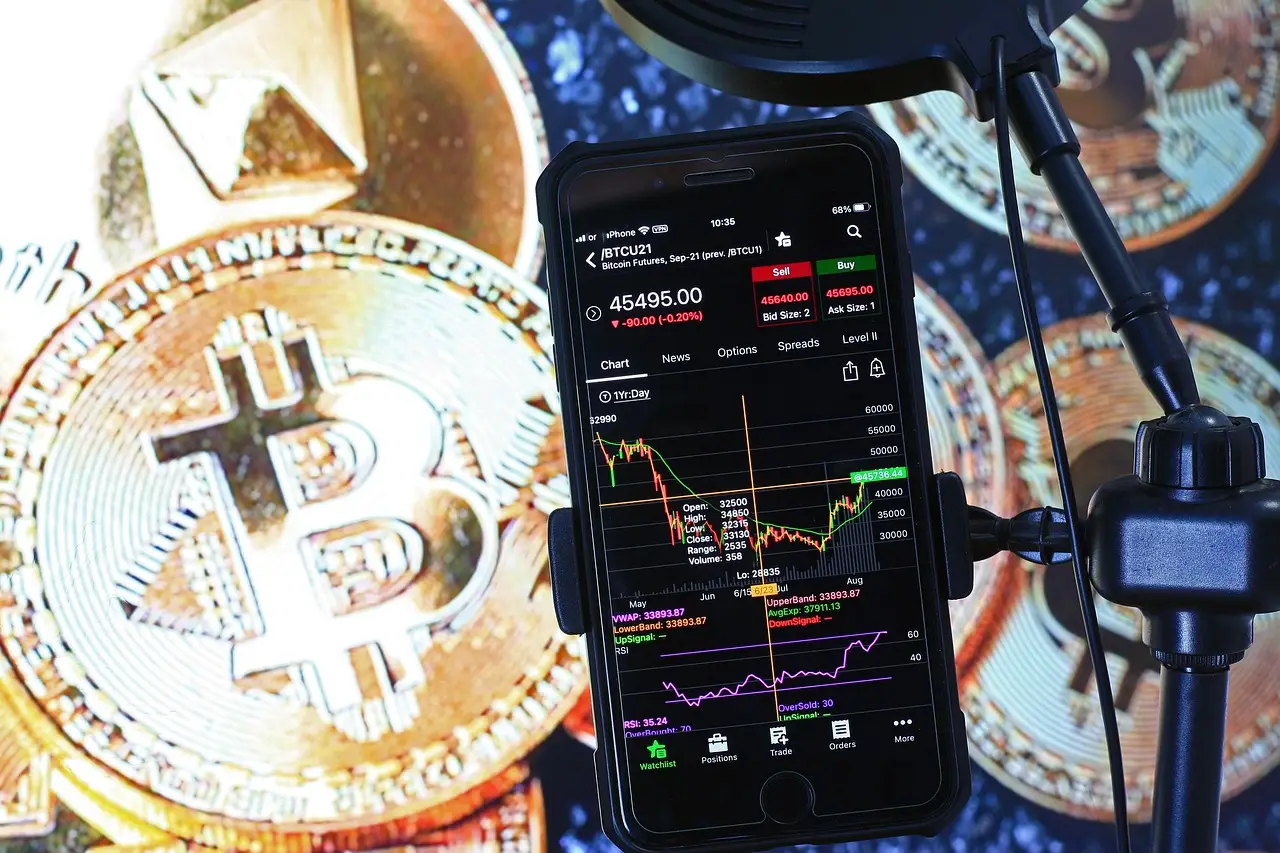
Bitcoin traded near $61,000 on Monday, which CoinDesk described as about 44% below the announcement level.
The bank has not disclosed its bitcoin allocation, purchase date or price, and uses an unnamed external custodian.
The pilot sits in CNB Lab, apart from roughly $180 billion in international reserves.
Marcus Bennett
CoinDesk found that, one year after launching a $1 million digital-asset test, the Czech National Bank still has not disclosed how much bitcoin it owns, what it paid or what the position is worth.
The pilot began on Nov. 13, 2025, with bitcoin, U.S. dollar-pegged stablecoins and a tokenized dollar deposit, defined as a bank deposit recorded on a blockchain.
CNB's audited financial statements do not provide a separate market valuation for those holdings. CoinDesk also learned that an outside custodian safeguards the bank's bitcoin.
The experiment drew attention as a milestone for central banking. The disclosure trail remains thin.
The disclosed purchase timeline
CNB's board approved the experiment on Oct. 30, 2025, when bitcoin traded at about $110,670.
By Nov. 13, when the central bank announced the $1 million portfolio, bitcoin had fallen to roughly $98,000.
On Monday, bitcoin traded near $61,000. CoinDesk put that about 44% below the announcement level, which it had described as roughly $98,000.
Each benchmark describes the market on a particular date, but none supplies the CNB's execution price for the bitcoin it actually bought through its pilot transaction.
The portfolio contains three broad asset categories:
- Bitcoin
- U.S. dollar-pegged stablecoins
- A tokenized dollar deposit recorded on a blockchain
The bank has not disclosed allocations for those categories. The $1 million headline therefore does not show how much funded bitcoin.
What can outsiders actually calculate?
Very little about the bitcoin position.
The market-price path cannot establish the bank's loss because CNB has not disclosed the bitcoin acquisition date or price, or how much of the portfolio went to bitcoin rather than the other digital assets.
Jakub Holas, director of the CNB's communications division, told CoinDesk earlier this week: “Neither Governor Michl nor the CNB has ever commented on the price at which bitcoin was acquired.”
CNB also declined to say whether its holdings have changed since the original purchase or whether it expects to write down their value at year-end.
In an email, Jaroslav Krejčí, a CNB spokesperson, said: “The CNB does not disclose the detailed composition of the pilot portfolio, including individual allocations, prices, transaction dates, trading venues or counterparties.”
Together, those omissions block an outside calculation of the position's size, cost basis, current value or likely year-end accounting treatment.
Custody moves outside the bank
Krejčí said the first bitcoin purchase “was executed on a regulated foreign exchange.”
The coins are held “through external custody arrangements,” he said, meaning an outside firm keeps the coins and keys on the bank's behalf.
CNB named neither the exchange nor the custodian. Using an outside custodian does not mean the bank lacks title to the bitcoin, but it does mean the central bank outsourced possession and key control rather than handling every aspect of custody in-house.
The bank previously examined self-custody, under which it would manage the cryptographic keys controlling the assets, and arrangements involving external custodians.
It described securing its own custody infrastructure as a complex undertaking.
A small lab portfolio, not reserve expansion
The $1 million sits in CNB Lab, the central bank's research and innovation unit.
It does not sit in the roughly $180 billion of international reserves managed under Governor Aleš Michl. That separation keeps a small experimental portfolio distinct from the reserve book, while the bank's statement against further purchases limits the test's potential scale.
CNB has said it does not plan to add to the initial $1 million investment.
Observers can verify the broad design: a regulated exchange, outside custody and a limited mandate. They cannot verify the pilot's core economics.
The next checkpoint is year-end reporting, when any valuation or write-down disclosure could narrow the gap, though CNB has not committed to providing one.
via cryptonews.net (Source)
More from Marcus Bennett
Show full bio
Senior reporter covering money, funding and market shifts around crypto and web3 industry at Mempool Brief.
1,774 articles