0x446dd8b0446d…446dd8b3
Democratic Sweep Puts CLARITY Act on Ice, Bitget Wallet Says
Bitget Wallet's Lacie Zhang sees the CLARITY Act stalled after its 49-50 Senate failure, with oversight hearings and a rewrite ahead — but little immediate change for traders.
Outputs
The CLARITY Act failed a Senate procedural vote in September by 49 to 50, after passing the House in 2025.
Bitget Wallet research lead Lacie Zhang puts low odds on the bill passing before or after Democrats take control in January.
The GENIUS Act's federal stablecoin rules take effect January 18, 2027 regardless of congressional control.
Zhang expects market structure legislation to be delayed or rewritten with stronger consumer safeguards.
The CLARITY Act is effectively stalled. It failed a Senate procedural vote in September by 49 to 50, and Lacie Zhang, research lead at Bitget Wallet, puts its odds of passing in its current form near zero — both in the remaining session and after Democrats take control of Congress in January.
Zhang shared her analysis with Crypto Briefing after Democrats won both chambers. Her core read is simple: the election changes the political outlook for crypto, not the regulatory apparatus. Federal agencies remain under the current administration, and existing rules stay in force.
"The shift in congressional control changes the political outlook for crypto without immediately affecting existing regulations," Zhang's commentary argued, noting that agencies retain their current leadership regardless of who holds the gavels on Capitol Hill.
What happens to the CLARITY Act?
The bill cleared the House in 2025. Then it hit the Senate wall.
Zhang expects any future market structure legislation to require compromises on investor protections and ethics provisions before it can move. In practice, that means the bill gets delayed or rewritten with a heavier emphasis on consumer safeguards over the longer term.
Stronger congressional oversight is the near-term consequence. Crypto companies and industry practices could face sharper scrutiny, particularly if lawmakers critical of the sector take the helm of key committees. Zhang flagged potential volatility around oversight hearings and any last-minute legislative pushes in the coming months.
But the operational picture stays calm. Existing agency leadership and product availability should remain stable, she said.
What does this change for investors and firms?
Not much, in the near term. Zhang's assessment is that the election's impact on everyday crypto investors will stay limited. Political developments shape the pace of legislation more than the immediate availability of crypto products.
For firms, the practical consequences are procedural rather than existential:
- Market structure legislation delayed or rewritten, with consumer safeguards weighted more heavily.
- More oversight hearings, and with them, headline-driven volatility.
- Agency rulemaking on custody, trading platforms and token classification continues under existing regulators.
- Narrower bipartisan bills on tax treatment and illicit finance remain possible.
One deadline is already fixed. The GENIUS Act, which sets federal requirements for stablecoin issuance, reserves and redemption, takes effect on January 18, 2027. The change in congressional control does not touch that date.
Zhang also pointed to a structural undercurrent that congressional arithmetic cannot easily disrupt: ongoing agency rulemaking and sustained institutional participation could continue supporting the industry's development even while the legislative track stalls.
So the realistic timeline runs like this. Hearings and oversight activity fill the next several months. Any market structure bill that eventually moves looks different from the version the House passed — more investor protections, more ethics language, more negotiation. The GENIUS Act's 2027 compliance date, meanwhile, gives stablecoin issuers a hard mark on the calendar that no committee shuffle moves.
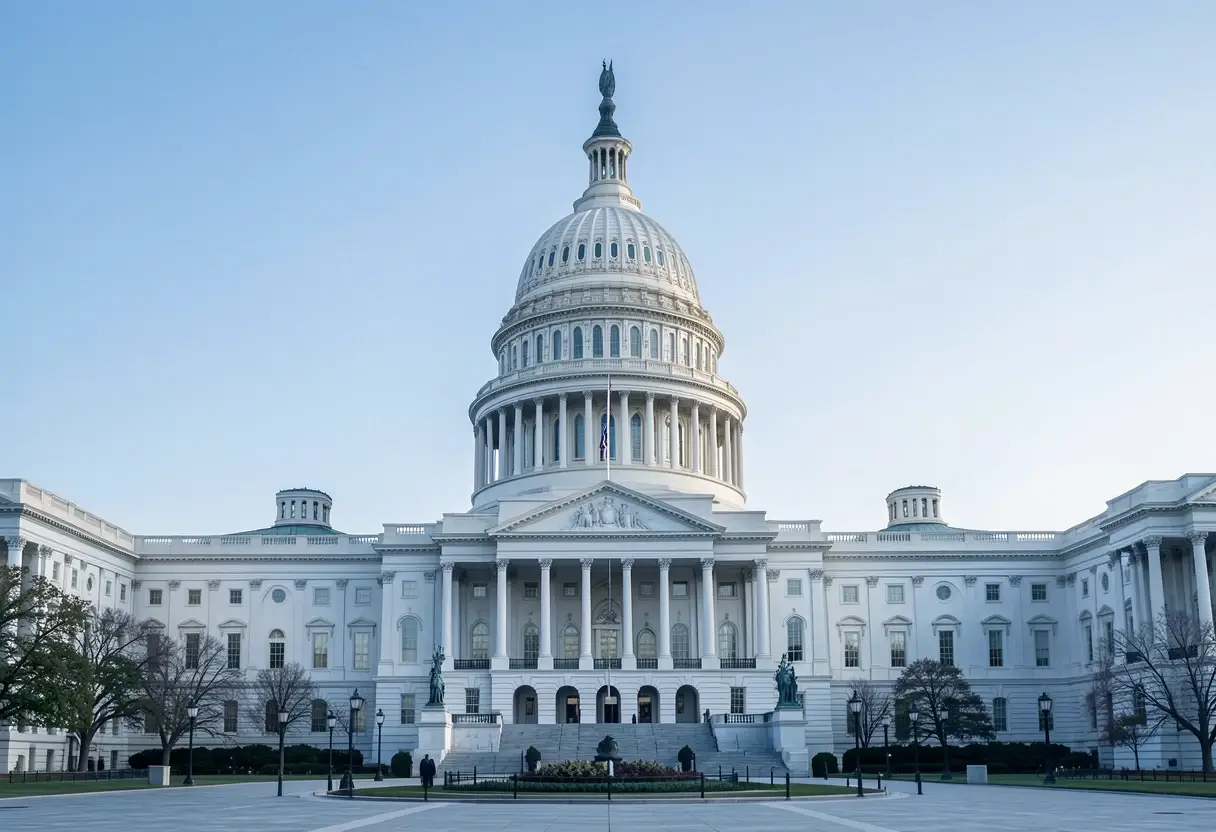
via congress.gov (Original)
More from Marcus Bennett
Show full bio
Senior reporter covering money, funding and market shifts around crypto and web3 industry at Mempool Brief.
729 articles