Federal Judge Sends Kalshi Case Back to New York State Court
A federal judge remanded Kalshi's fight with New York AG Letitia James to state court. The CFTC's emergency bid to shield the exchange was denied Friday, leaving a state TRO request pending.
Outputs
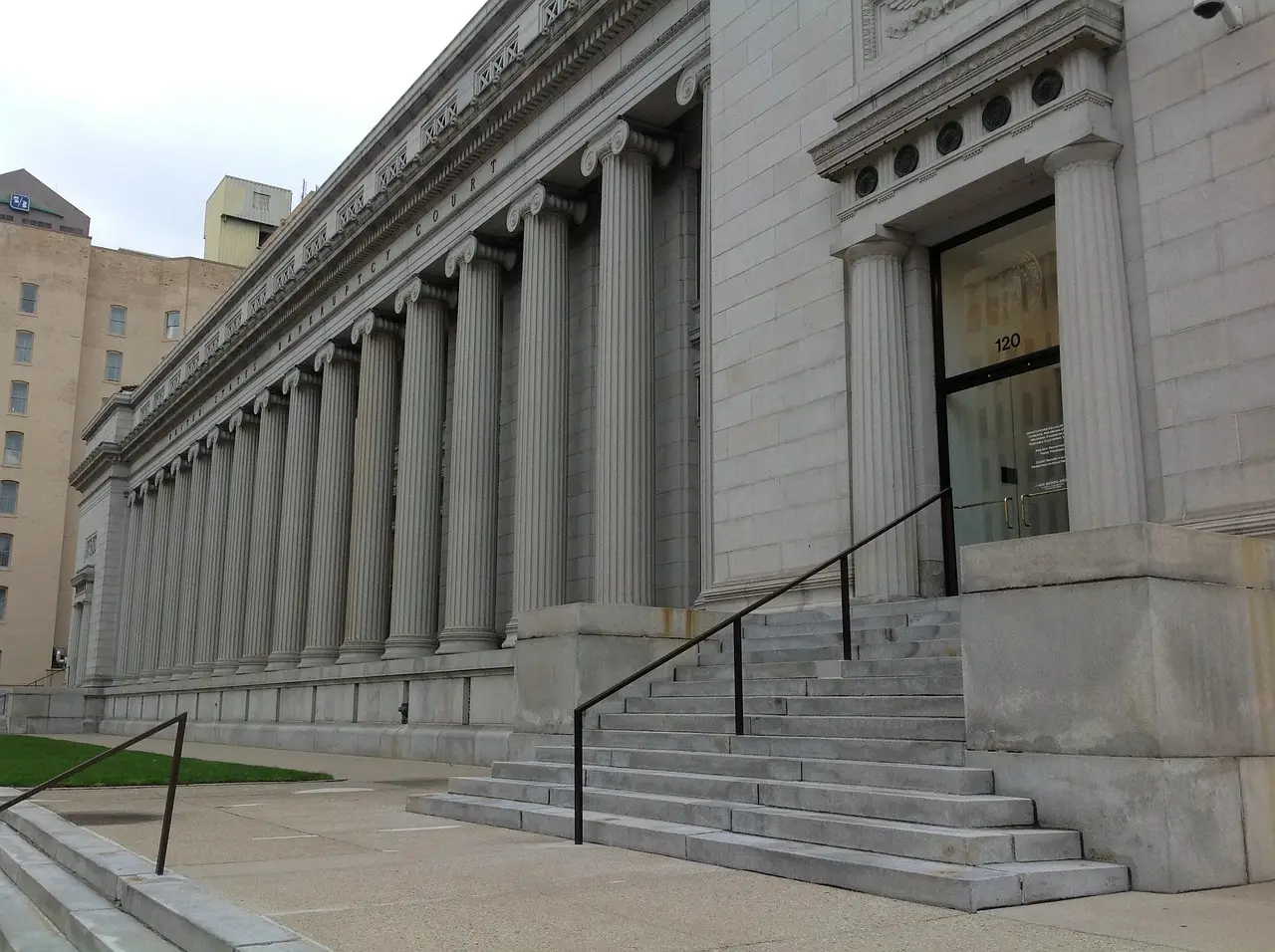
On Thursday the SDNY ruled Kalshi's case belongs in New York state court, reversing an earlier removal
A New York assistant attorney general filed a proposed temporary restraining order on Friday
The CFTC argued a New York halt would force Kalshi to 'cease all operations' due to its headquarters there
A federal judge denied the CFTC's motion in a telephone hearing late Friday, per attorney Daniel Wallach
A federal judge ruled Thursday that New York's case against Kalshi belongs in state court, reopening a path for state authorities to shut down the exchange's event contracts in its home market. An assistant attorney general filed a proposed motion for a temporary restraining order on Friday. Hours later, a federal judge denied the CFTC's emergency bid to block that state action.
The decision by the U.S. District Court for the Southern District of New York reverses Kalshi's earlier procedural win. The company had previously pulled the case out of state court, where Attorney General Letitia James first moved to halt its operations. That escape route is now closed.
New York is one of a number of U.S. states arguing that prediction-market betting on sports and political campaigns constitutes gambling under state gaming law. The fight over jurisdiction determines who gets to regulate Kalshi's products — state gaming authorities or the federal derivatives regulator.
Why New York specifically matters
Kalshi is headquartered in New York. All of its business originates there. A New York ban would therefore not simply remove one market from the company's map — it would sever the operational root of the entire exchange.
The company made that argument explicitly in court filings, warning that a New York halt would put it in what it called an impossible position "at the center of an irreconcilable federal/state conflict." Its federal regulator, the Commodity Futures Trading Commission, has directed designated contract markets to keep operating nationwide without state-by-state restrictions.
So what does this change for Kalshi? It shifts the battlefield to a forum where the state holds home advantage, with a restraining order request already on file and no current legal barrier standing in the way of the state getting one.
The CFTC steps in — and loses
The CFTC intervened in federal court on Friday, arguing the stakes in blunt terms. A New York halt would force Kalshi to "cease all operations" because of its headquarter location, the agency's filing contended.
"New York wants to put Kalshi out of business altogether," the CFTC filing argued. "If this court merely concludes that some of Kalshi's products are likely swaps, and the Commodity Exchange Act likely reserves exclusive jurisdiction over swap regulation to the CFTC, then a temporary restraining order is appropriate to preserve the status quo."
The legal theory is straightforward. If Kalshi's event contracts are swaps under the Commodity Exchange Act, then exclusive jurisdiction over their regulation sits with the CFTC — not with fifty state gaming commissions. But a federal judge denied the CFTC's motion in a telephone hearing late Friday, according to attorney Daniel Wallach, who reported the outcome in a social media post.
The operational stakes
The consequences run deeper than a single product line. Kalshi's entire matching engine, corporate infrastructure and compliance operation sit in New York. A state-ordered halt would not be geographically containable the way a ban in, say, New Jersey might be. It would reach the entity itself.
The federal-state conflict the CFTC described is now live and unresolved. One regulator orders nationwide operation. Another moves to shut the operator down in the state where it lives. The remand to state court means the first substantive rulings will come from a New York Supreme Court justice, not a federal judge applying the Commodity Exchange Act.
The state's proposed temporary restraining order is the immediate watch item. A ruling on it — likely in the coming days — will determine whether Kalshi's event contracts keep trading in New York while the broader jurisdictional fight plays out.
via cryptonews.net (Source)
More from Marcus Bennett
Show full bio
Senior reporter covering money, funding and market shifts around crypto and web3 industry at Mempool Brief.
1,680 articles