0x35ccafac35cc…35ccafaf
Giancarlo Says U.S. Crypto Can Advance Without the CLARITY Act
A 49-50 Senate cloture defeat left the CLARITY Act short of 60 votes. Giancarlo says SEC and CFTC rulemaking can advance U.S. crypto rules without congressional passage.
Outputs
The CLARITY Act failed a Senate cloture vote 49-50 on September 15, 2026, 11 votes short of 60.
The CLARITY Act cleared the House in July 2025.
The GENIUS Act was signed as a stablecoin law in July 2025.
Giancarlo proposed SEC and CFTC rulemaking plus targeted legislation on November 6, 2026.
Giancarlo called for CFTC exchange rules using the agency’s existing authority.
By Elena Vasquez
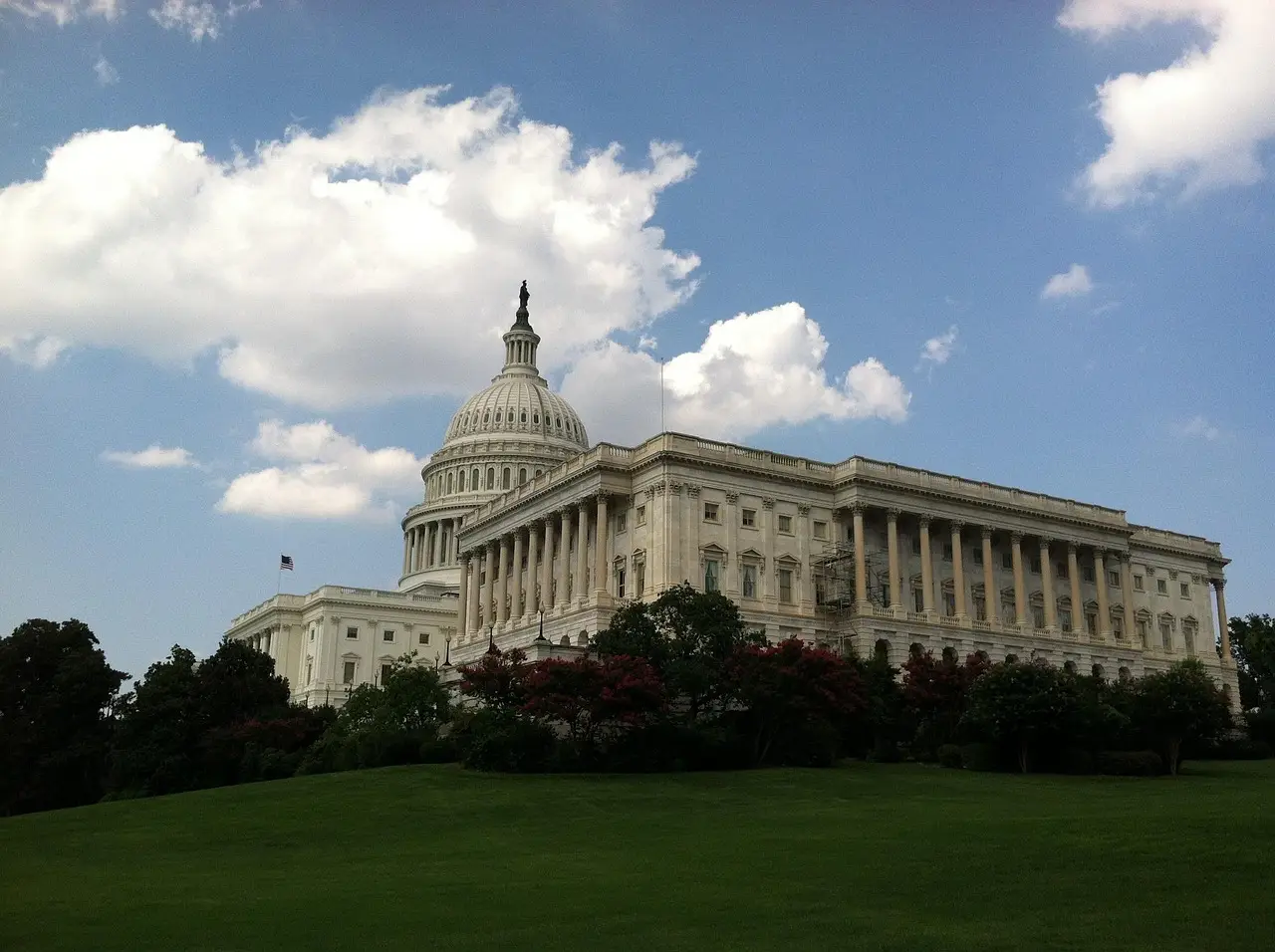
A U.S. Senate cloture vote on the CLARITY Act failed 49-50 on September 15, 2026, leaving the crypto market-structure bill 11 votes short of the 60 votes required to end debate. The vote followed House clearance in July 2025 and leaves the division of authority between the SEC and CFTC partly unresolved.
At the Strobe Summit on November 6, 2026, Giancarlo argued that U.S. crypto policy can advance without the CLARITY Act. He said the SEC and CFTC retain authority to write clearer rules on their own, making an agency-first route possible without new legislation from Congress.
What did Giancarlo propose?
Giancarlo outlined a two-part alternative: SEC and CFTC rulemaking and targeted legislation. He called for using the CFTC’s existing authority to establish exchange rules, rather than waiting on one sweeping bill.
He compared crypto’s development with the internet, which advanced without a dedicated legislative framework built around it. The analogy supports his case for gradual rulemaking, but it does not settle which agency should regulate a particular token, exchange or decentralized-finance project.
Giancarlo did not dismiss the CLARITY Act. He has said the bill would improve regulatory clarity and support LabCFTC, the CFTC’s innovation-focused initiative, while characterizing the legislation as “helpful, not essential.”
His position is straightforward: Congress can help, but regulators do not need to wait for it.
Why did the bill stall?
The CLARITY Act cleared the House in July 2025, but its Senate journey has been far less smooth. On September 15, 2026, the 49-50 result left the measure 11 votes short of the 60-vote threshold, and it did not proceed.
Giancarlo has attributed the setbacks to political conflict arising from President Trump’s memecoin venture. In his account, tension between Trump’s personal crypto interests and the broader regulatory agenda has hindered the bill’s progress.
The available account does not identify the memecoin venture, describe the specific policy disagreement or show how the conflict affected individual senators. His explanation therefore remains a political diagnosis, not a demonstrated causal finding.
If Giancarlo is correct, reaching 60 votes could depend as much on resolving conflict-of-interest concerns as on refining legislative text. The available account provides no timetable for resolving either condition.
The immediate barrier is political, while the CFTC’s existing rulemaking authority remains available.
What is already law?
In July 2025, the GENIUS Act was signed as a stablecoin law, giving that part of the market a dedicated statutory framework. For now, the statutory map includes one major crypto law, while the broader market-structure bill remains in limbo.
The CLARITY Act targeted larger questions than stablecoins. Those included how token markets should operate and how jurisdiction should be divided between the SEC and CFTC, issues that the GENIUS Act does not resolve.
The existing statute covers stablecoins, but it does not supply the broader token and agency framework sought by the stalled bill.
What changes for market participants?
Without a comprehensive statute, the question of who regulates what remains partly open. For investors and market participants, the immediate consequence is uncertainty over who regulates what. That makes agency positions more consequential as leadership changes.
Attention therefore shifts from Capitol Hill to the SEC and CFTC. Actions on stablecoins, token classification, exchanges and decentralized finance, or DeFi, may carry more weight than another floor vote, especially if paired with targeted legislation from Congress.
The trade-off is durability. Agency rules can be rewritten by future leadership more easily than a statute can be repealed, which makes a regulation-first approach inherently less stable over time.
Giancarlo’s message was that the CLARITY Act “does not need to pass for crypto to keep building.” That claim depends on agencies choosing to act; it does not establish that narrower rules will arrive on any predictable timetable or settle every jurisdictional dispute.
For now, the next market-structure change depends on SEC and CFTC rulemaking or a renewed Senate effort to secure 60 votes, with no deadline specified for either path.
via cryptonews.net (Source)
More from Elena Vasquez
Show full bio
Staff writer covering regulation, policy and their impact on crypto and web3 industry at Mempool Brief.
948 articles