0x001ea0e3001e…001ea0e6
Global Kiwi Labs Raises $4M Seed to Build TheHUB Colocation Platform
Global Kiwi Labs raised $4M in seed funding from Keyrock and Staking Facilities for TheHUB, a Tokyo colocation platform using 1,000-meter equal-length fiber to deliver fair access for crypto trading.
Outputs
Global Kiwi Labs raised a $4 million seed round for TheHUB, its colocation platform.
TheHUB's first site is live at Equinix TY15 in Tokyo, using 1,000-meter fiber connections calibrated to ±10 mm.
Investors include market maker Keyrock and validator operator Staking Facilities.
CEO Jamie Brown previously designed access systems for CME, Nasdaq and NYE-family venues NYSE.
TheHUB is integrating with the DoubleZero high-performance network; the company gave no timeline.
Global Kiwi Labs, a digital asset infrastructure startup founded in 2025, has raised a $4 million seed round to build TheHUB, a colocation platform that connects exchanges, trading firms and blockchain validators through physically equal-length fiber connections. The first operational site is already live inside the Equinix TY15 data center in Tokyo, according to the company.
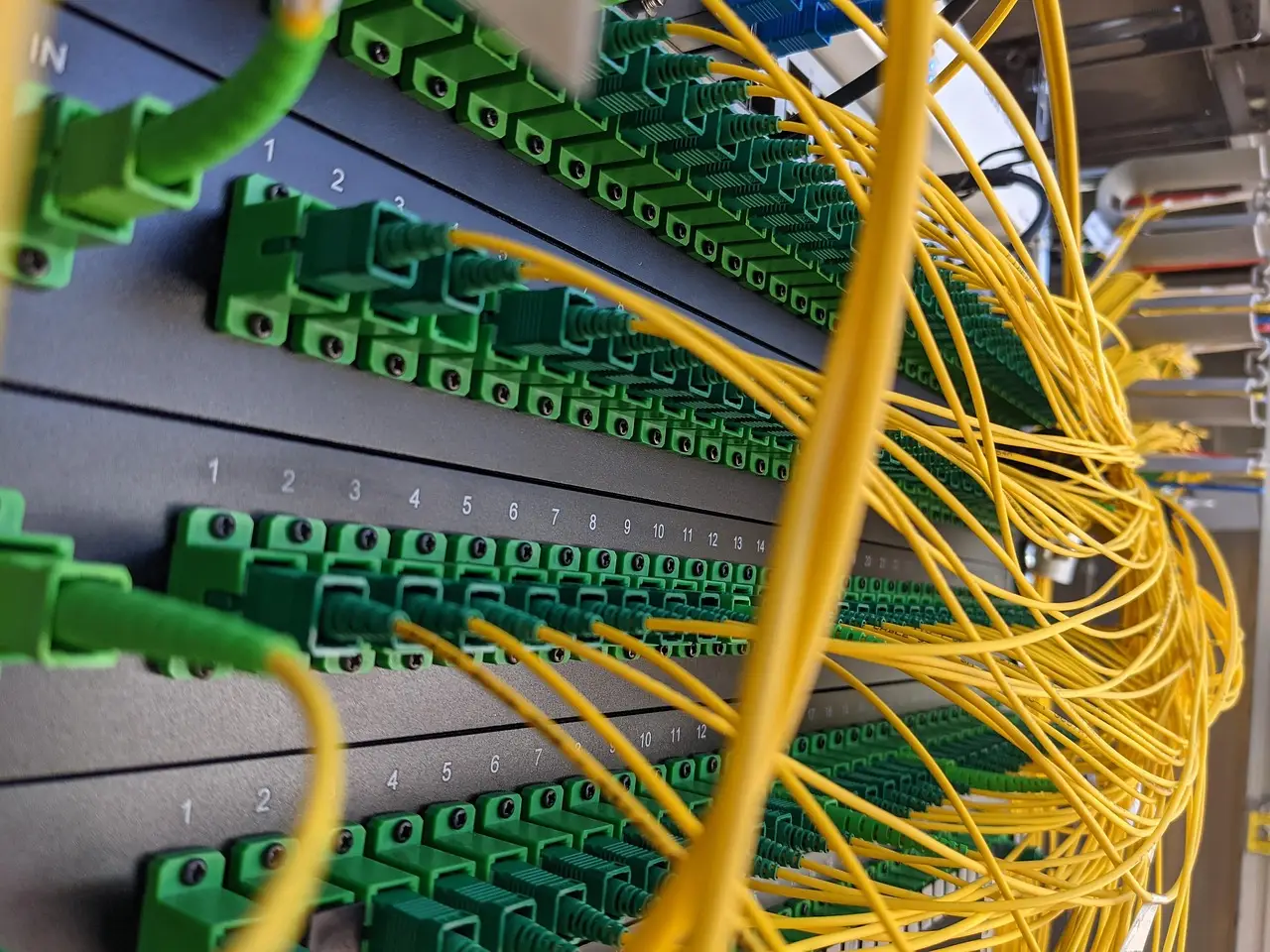
The claim at the center of the pitch is precision. TheHUB connects participants using 1,000-meter equal-length fiber connections calibrated to within 10 millimeters, according to the company. To put that tolerance in perspective, 10 millimeters is roughly the width of a fingernail on a cable that stretches a full kilometer. The engineering intent is to eliminate the distance-based latency advantage that some participants hold over others. No independent verification of the calibration was offered.
What problem does colocation solve in crypto?
In traditional finance, colocation lets trading firms place their servers physically close to an exchange's matching engine, and regulators have spent years forcing venues to offer fair, non-discriminatory access. Digital asset markets largely lack such norms. Global Kiwi Labs wants to import that playbook.
The platform's design follows three principles the company has laid out:
- Equal-length fiber: every participant reaches the connection point through a physically identical 1,000-meter path.
- A single time reference: a GPS master clock timestamps all orders, giving participants one authoritative record of arrival order in disputes measured in fractions of a second.
- Simultaneous data distribution: market data reaches all connected participants at the same moment.
Each of these features addresses a documented fairness concern in market structure. Each also depends on the company's own engineering discipline, since no external auditor or exchange body currently certifies the setup. In plain words, the promises are plausible but self-attested.
Who is backing the round?
The seed investors align neatly with two of the three customer groups TheHUB targets. Keyrock, a market maker, represents the trading-firm segment. Staking Facilities, which operates in the validator space, represents the blockchain-validation segment. No exchange operator appears on the disclosed investor list, a notable absence given that exchanges form the third leg of the intended customer base. The company did not disclose a lead investor or the round's valuation.
The new capital has two stated purposes: growing the engineering team and expanding geographically beyond the Tokyo site. Neither goal comes with a timeline or named target markets. As with most seed-stage announcements, the deployment plan is a commitment without a schedule.
TheHUB is also integrating with DoubleZero, a high-performance network, which would extend the platform's reach beyond a single physical site if completed. The company did not say when that integration is expected to finish.
Why does the founder's background matter?
CEO Jamie Brown brings a background in capital-markets infrastructure, having worked on designing access systems for CME, Nasdaq and NYSE — three of the most established venues in traditional finance. That résumil maps directly onto TheHUB's stated ambition: replicating the latency mitigation and fair access models that traditional exchanges use and applying them to digital asset markets.
Prior experience at incumbent venues is a genuine credential, and it is also a credential from a market where those models took decades of regulatory pressure to mature. Crypto has no equivalent enforcement apparatus pushing venues toward fair access. TheHUB's model therefore depends on voluntary adoption by institutions that currently face no mandate to level the playing field.
What happens next?
The immediate test is commercial, not technical. The Tokyo facility is live and onboarding initial users, but the company has not disclosed how many participants have connected, what it charges, or when the second site will open. For a platform selling neutrality, the unanswered question is whether enough exchanges and trading firms will pay for fairness that no regulator requires them to provide. Until the company names its next market or its first anchor exchange, the $4 million buys engineering capacity, not adoption.
via cryptonews.net (Source)
More from Elena Vasquez
Show full bio
Staff writer covering regulation, policy and their impact on crypto and web3 industry at Mempool Brief.
1,525 articles