bc33ac14-0
Horsford Backs Clarity Act and PARITY Act, Ties Crypto Bill to Ethics Fix
At the Capitol Crypto Forum on November 19, 2026, Rep. Steven Horsford backed the Clarity Act and his own PARITY Act, pairing bipartisan tax reform with a push for ethics rules.
Outputs
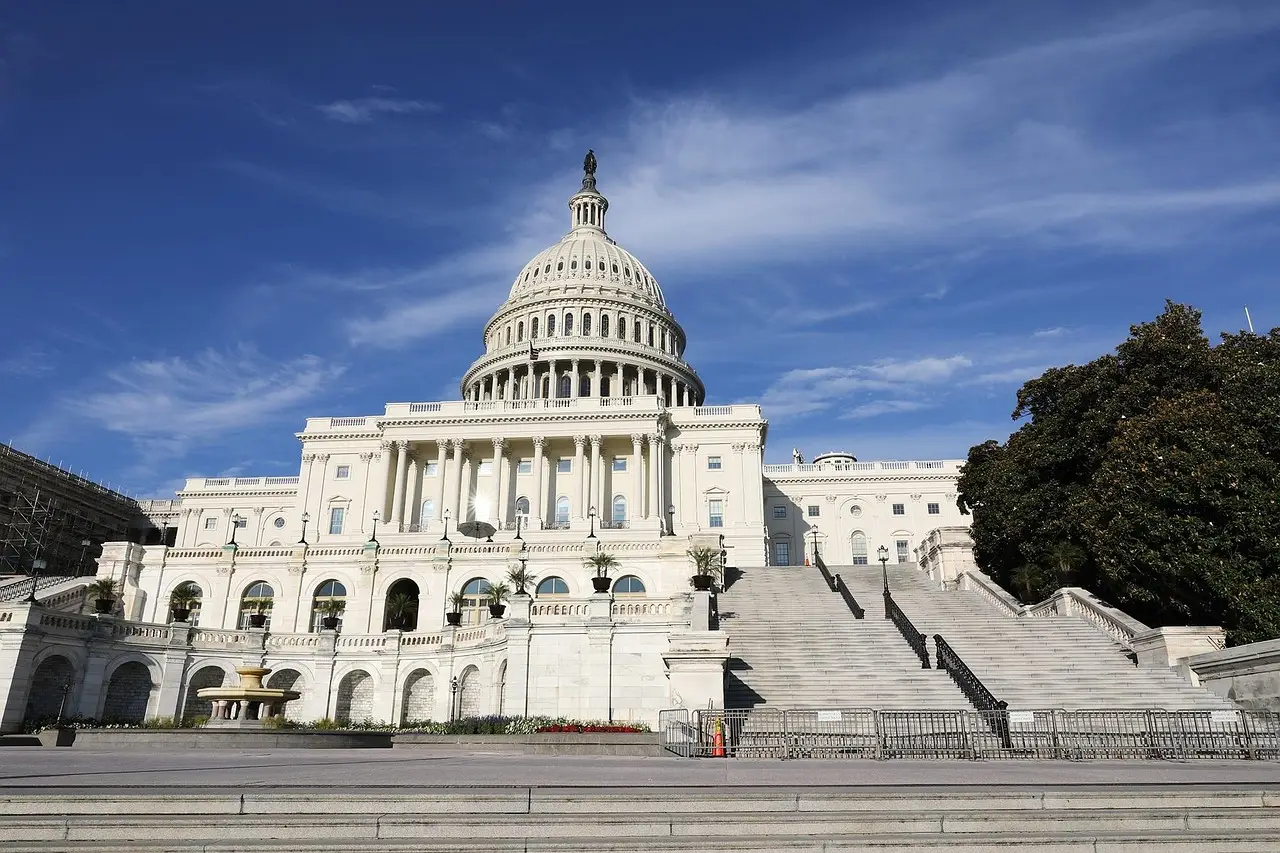
Rep. Steven Horsford backed the Clarity Act and PARITY Act at the Capitol Crypto Forum on November 19, 2026.
The PARITY Act, co-sponsored with Rep. Max Miller (R-Ohio), debuted as a draft on December 20, 2025 and was revised on March 26, 2026.
The Clarity Act failed procedurally in the Senate in September 2026 over cited ethics concerns.
The PARITY Act would extend wash-sale rules to crypto and add mark-to-market, deemed-basis and stablecoin de minimis provisions.
Rep. Steven Horsford, a Nevada Democrat, publicly backed the Clarity Act and the PARITY Act at the Capitol Crypto Forum on November 19, 2026, and called for ethics and transparency rules to govern how digital asset policy gets written. The forum landed weeks after the 2026 midterm elections, with lawmakers recalibrating for a new Congress and crypto legislation that stalled before the vote needing a fresh path.
Horsford grouped three bills together — the GENIUS Act, the Clarity Act and the PARITY Act — and described them as a "three-legged stool" for digital asset policy. Each covers a different piece. The Clarity Act targets market-structure regulation: how crypto markets are organized and overseen. The PARITY Act handles taxes. The GENIUS Act rounds out the trio. Horsford framed the set as foundational rather than comprehensive — a base layer, not a finished building.
What is the PARITY Act?
The PARITY Act is Horsford's own bill, co-sponsored by Rep. Max Miller, an Ohio Republican. That bipartisan pairing is deliberate. Horsford has promoted the measure as a "durable floor" for digital asset taxation and favors narrow bipartisan efforts over sweeping packages.
The bill first appeared as a discussion draft on December 20, 2025. A revised version followed on March 26, 2026, with changes aimed at easing compliance for people transacting in digital assets. Its core provisions:
- Wash-sale rules. The bill would extend wash-sale treatment to digital assets, closing the strategy of selling at a loss and quickly rebuying to book a deduction — a limit stock investors already face.
- Mark-to-market options. Traders could elect to value holdings at current market prices, measuring gains and losses against year-end positions instead of tracking every sale.
- Deemed-basis rules. Default cost figures would apply where the original purchase price is hard to establish.
- De minimis stablecoin treatment. Stablecoin transactions below certain thresholds would get simplified treatment, so buying coffee with a dollar-pegged token doesn't carry brokerage-trade paperwork.
Why does the Clarity Act need an ethics fix?
The Clarity Act had a rough autumn. The market-structure bill failed procedurally in the Senate in September 2026, with ethics concerns cited as the reason it stalled. Horsford's call for guardrails points directly at that obstacle. If ethics questions are blocking passage, addressing them head-on may be the only route to restart the bill.
His strategy amounts to sequencing: lock in a bipartisan tax floor first, keep pressure on market structure, and neutralize ethics concerns rather than letting them sink the larger package. For traders, the PARITY Act carries the most immediate stakes — wash-sale rules would close a tax strategy some currently rely on, while mark-to-market elections and de minimis treatment would cut compliance work. The Clarity Act carries the structural weight: without it, questions about which regulator oversees what remain unresolved.
The text is still moving. The PARITY Act has been revised once since its December 2025 draft, and the Clarity Act must clear the procedural hurdle that stopped it in September. Watch whether the PARITY Act picks up co-sponsors from both parties, whether Clarity Act backers produce ethics provisions answering Senate objections, and whether the three bills advance as a package or one at a time.
via Crypto Briefing (Source)
More from Daniel Okafor
Show full bio
Correspondent covering people, launches and day-to-day practice in crypto and web3 industry at Mempool Brief.
1,594 articles