0x216b56a7216b…216b56a4
HSBC launches RedCoin for 3.3 million PayMe users in Hong Kong
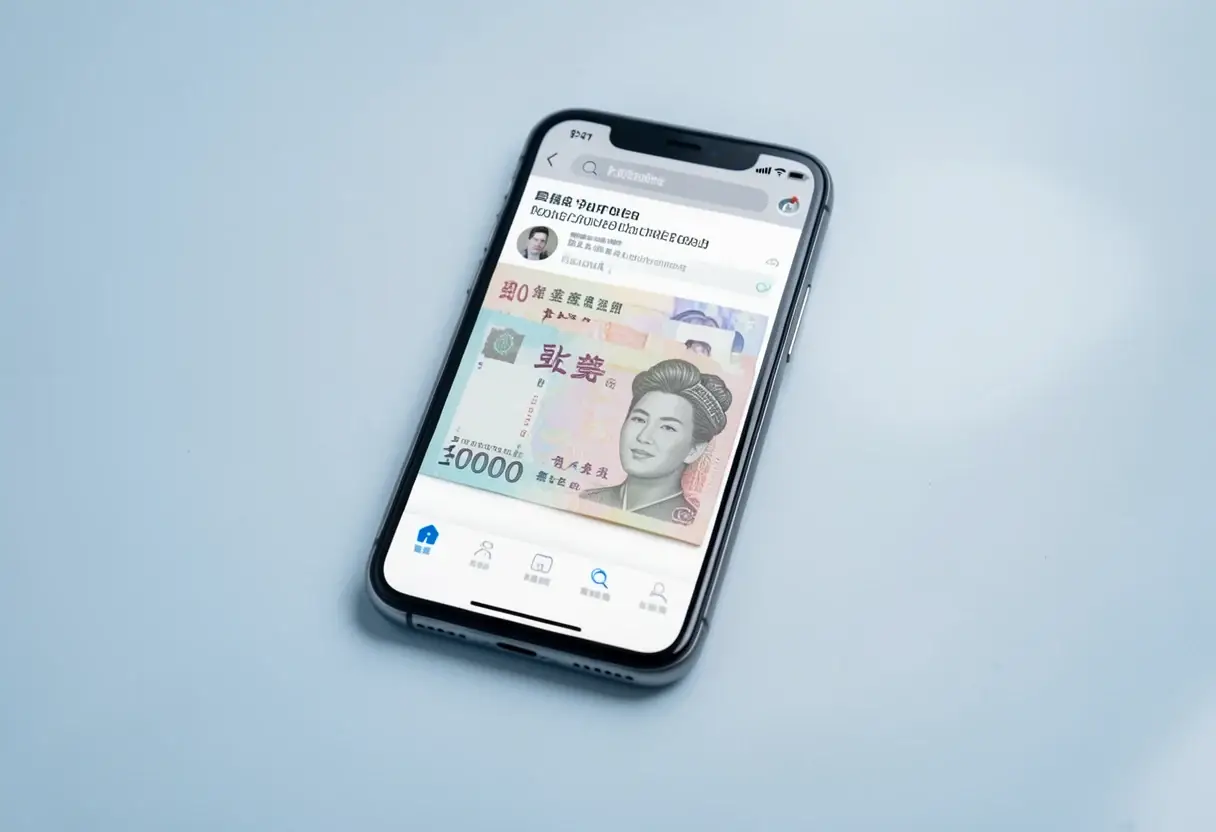
HSBC launched the HKMA-licensed RedCoin for more than 3.3 million PayMe users and 100,000 merchants, backed by $10.4 million in cash on a private ledger.
Outputs
HSBC launched HKMA-licensed RedCoin on Friday for more than 3.3 million PayMe users.
PayMe users can pay at more than 100,000 merchants.
HSBC's reserve tracker showed $10.2 million circulating against $10.4 million in cash.
The first independent reserve attestation is expected after Q4 2026.
Twenty-one lenders plan a joint dollar stablecoin for launch in H1 2027.
HSBC launched RedCoin on Friday, with activation set to open to more than 3.3 million PayMe users in the coming days and payments available at more than 100,000 merchants, according to the bank’s announcement.
The Hong Kong Monetary Authority-licensed token carries the ticker RCHKD and is designed to remain worth one Hong Kong dollar. PayMe users can send it to friends or pay merchants without opening a crypto exchange, an operational advantage for a bank that may already hold the customer’s salary.
Who can use RedCoin, and what can they buy?
HSBC obtained its issuer license from the HKMA, Hong Kong’s de facto central bank, in April, under a regime that took effect in August 2025. The bank said it secured that license ahead of a field of at least 36 companies competing by September of that year.
The initial distribution runs through PayMe:
- More than 3.3 million PayMe users can activate RedCoin wallets in the coming days.
- Users can send RedCoin to friends or pay at more than 100,000 PayMe merchants.
- Later this year, HSBC plans to add RedCoin to HK Mobile Banking and a tokenized share class of its long-running Hong Kong dollar money market fund.
“We are excited by the market's interest in HSBC RedCoin. This is only the beginning,” John O’Neill, HSBC’s managing director of digital assets and currencies, said. “We will soon add more products, including expanding into wholesale corporate and institutional use cases.”
The statement supplies no product timetable, volume forecast or economic terms, so the institutional expansion remains an intention rather than a defined rollout. For consumers, HSBC has distribution through PayMe; for institutions, the business case remains undefined.
What does RedCoin’s private architecture change?
RedCoin runs on HSBC’s own private ledger, not a public blockchain such as Ethereum. Balances cannot move between PayMe and HSBC’s banking app, limiting the token’s current use to the bank’s own payment infrastructure.
Nor is RedCoin a bank deposit. Hong Kong’s Deposit Protection Scheme, the statutory insurance for savings accounts, does not cover it, leaving holders without the protection that applies to insured deposits.
RedCoin offers bank-issued convenience, but not deposit insurance or open-ledger portability.
Are the reserves independently verified?
HSBC’s reserve tracker showed roughly $10.2 million of RedCoin circulating shortly after launch, supported by $10.4 million held entirely in cash. That leaves $200,000, or about 2%, above reported circulation, although the announcement does not explain the reserve-accounting mechanics.
HSBC expects an outside auditor to provide the first independent reserve attestation after the fourth quarter of 2026. Until then, the published reserve picture rests on the bank’s own tracker rather than an outside audit.
HSBC’s figures show a cash surplus, while independent verification remains unavailable until after Q4 2026.
How does RedCoin differ from the wider stablecoin market?
The wider market remains dominated by crypto issuers. Tether’s USDT and Circle’s USDC control a market worth more than $300 billion, and most of that money lives on trading platforms rather than at ordinary merchants.
HSBC starts from a different position: it can place blockchain-based payments inside a banking relationship that may already receive a customer’s salary. Yet RedCoin’s $10.2 million opening circulation is less than 0.01% of the wider market described above, so distribution reach should not be mistaken for demonstrated adoption.
In September, 21 lenders including Goldman Sachs and Bank of America announced plans for a joint dollar stablecoin, targeting a launch in the first half of 2027. A target is not a launch, and the proposal gives no governance arrangement, reserve policy or participating-capital commitment.
RedCoin has the earlier Hong Kong test, while the 21-bank dollar project has the later 2027 target.
What does the banking-app expansion add?
Later this year, HSBC plans to bring RedCoin to HK Mobile Banking. Customers there will be able to buy into a tokenized share class of HSBC’s long-running Hong Kong dollar money market fund, a low-risk fund that parks cash in short-term debt.
Tokenized means ownership appears as a digital token on a ledger rather than a record in a traditional registry. That would connect everyday payments with an investment product, although HSBC has not specified fees, minimums or eligibility rules for the fund.
The next checkpoints are HSBC’s planned later-this-year banking-app integration and the first independent reserve attestation after Q4 2026. Until those steps occur, RedCoin remains confined to HSBC-controlled apps and its ledger, without deposit insurance or outside reserve verification.
via google.com (Original)
More from Elena Vasquez
Show full bio
Staff writer covering regulation, policy and their impact on crypto and web3 industry at Mempool Brief.
653 articles