8ed80f6a-d
Hyperscale Sells Final Bitcoin to Fund Michigan AI Data Center
Hyperscale Data sold its final 211.56 BTC for about $16 million, taking total Bitcoin disposals since late July to roughly $74.4 million as it funds a Michigan AI data center.
Outputs
Hyperscale sold 211.56 BTC for about $16 million at roughly $76,000 per coin by Nov. 8.
Total sales reached approximately 1,113 BTC for about $74.4 million since late July.
The Michigan data center targets 10 megawatts of critical IT capacity in December.
The July treasury plan targeted $100 million and parity between Bitcoin holdings and market capitalization.
The third-quarter Form 10-Q is due on or before Nov. 23, when the investor day is scheduled.
By Tom Whitfield
Hyperscale Data, trading on NYSE American as GPUS, sold its final reserve of 211.56 BTC for roughly $16 million at about $76,000 per coin, the company said in a Tuesday release. Proceeds will reduce debt and fund an AI data center in Michigan.
The sales were completed by Nov. 8. Since first selling part of the reserve in late July, Hyperscale said it had sold approximately 1,113 BTC for about $74.4 million, averaging roughly $66,800 per coin.
Bitcoin Magazine cited a Bitcoin price near $74,200 when it reported the transaction. At that level, the same 1,113 BTC would be worth about $82.6 million, compared with $74.4 million of sale proceeds.
The Michigan project is the intended use of part of the capital. Hyperscale aims to energize the first 10 megawatts of critical IT capacity there in December, shifting resources from a liquid reserve to a fixed operating asset.
CEO Will Horne said: “We believe bringing that capacity online is our quickest path to profitability. Selling our Bitcoin reserves reduces our exposure to Bitcoin price swings and gives us cash to pay down debt and fund the work in Michigan. We believe that’s the best use of this capital for all our stockholders.”
What changed in the $100 million treasury plan?
In late July, Hyperscale said it held more than 1,106 BTC and wanted to build a $100 million digital asset treasury. It also sought full parity between its Bitcoin holdings and its market capitalization, but the November reserve exit reverses that stated allocation priority.
Executive Chairman Milton “Todd” Ault III said at the time: “Every Bitcoin we acquire further strengthens Hyperscale Data’s balance sheet and expands our financial flexibility. We intend to continue building our Bitcoin position over time.”
A week later, Hyperscale disclosed its first sale, about 150.5 BTC, leaving roughly 958.5 BTC as of Aug. 2. Even then, its Ault Capital Group subsidiary bought about 15 BTC on the open market, while holdings remained split between Ault Capital Group and Sentinum.
Ault said the company planned to keep a long-term Bitcoin position while tapping it for short-term flexibility. He also expressed confidence in the company’s ability to use Bitcoin as pristine collateral.
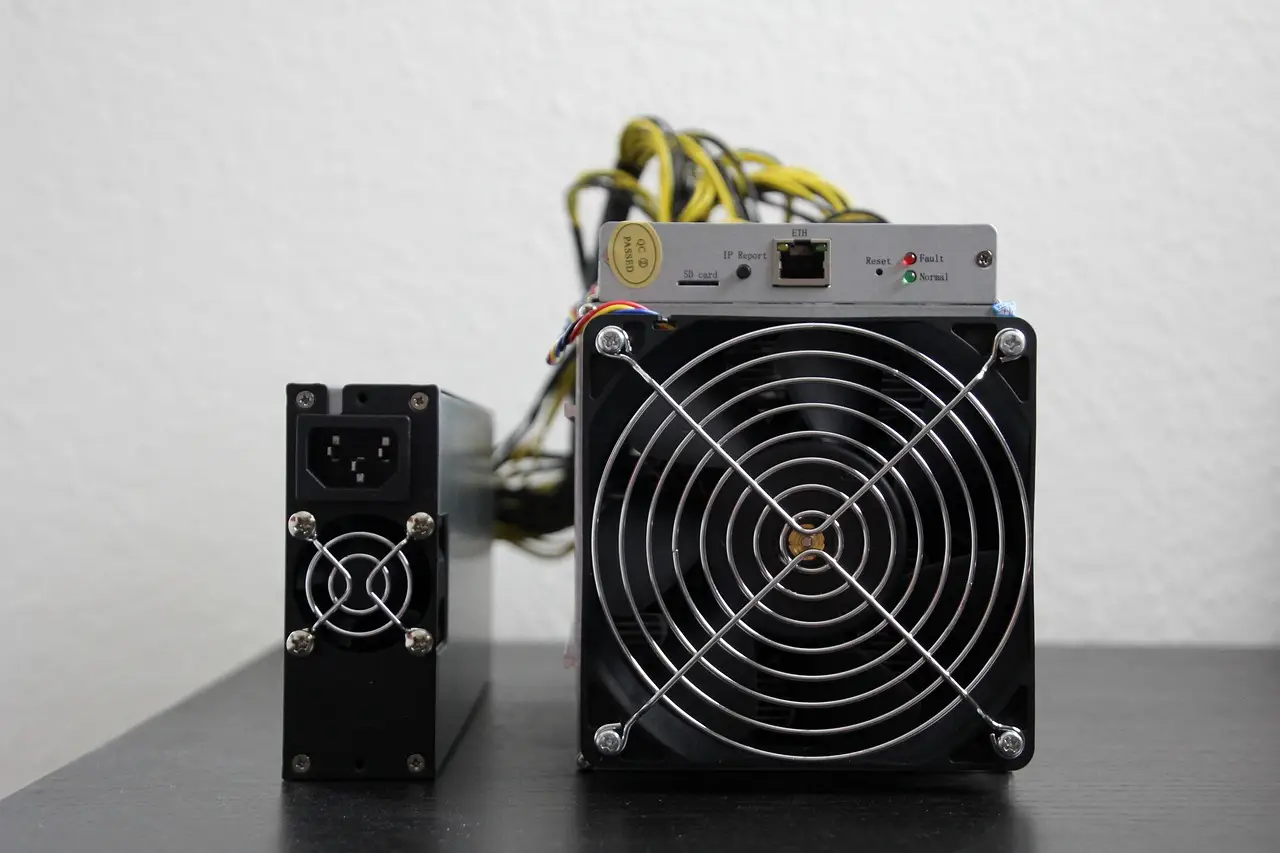
The final sale completed by Nov. 8 leaves Hyperscale without Bitcoin from its prior treasury reserve. The company still mines Bitcoin at its Montana site and expects any Bitcoin held on its balance sheet going forward to come primarily from its own mining operations.
How are peers funding data centers with Bitcoin sales?
Hyperscale is the latest public company to exit a Bitcoin-treasury strategy in favor of data-center spending. Keel sold its entire Bitcoin treasury for $192 million in the third quarter, while Riot and Hut 8 sold thousands of Bitcoin to fund AI buildouts and buybacks.
MARA said Monday it sold 13,597 BTC for about $1.1 billion after Sept. 30. The miner plans to keep selling to fund AI infrastructure, convertible note puts and share repurchases.
For Hyperscale, Bitcoin proceeds now support a specific December energization target rather than another open-market treasury purchase. The change narrows the company’s immediate capital-allocation mandate to debt service and the Michigan buildout.
What does the corporate structure mean for the strategy?
Hyperscale’s operations extend beyond mining. Its Sentinum subsidiary runs the data-center business, while Ault Capital Group, described as a hybrid private equity firm and operating company, holds lending, defense, industrial and hotel businesses.
Hyperscale expects to divest Ault Capital Group in 2027 and become a data-center owner and operator. The planned separation would leave the Michigan project and Sentinum’s operating role central to the post-divestiture company.
What happens at the Nov. 23 deadline?
Hyperscale expects to file its third-quarter Form 10-Q on or before Nov. 23. It has moved its virtual investor day from Nov. 12 to Nov. 23 because of a newly proposed exchange offer for its Class A common stock.
Management plans to update investors on debt reduction and the December energization target during the Nov. 23 event. The company did not disclose how much debt the Bitcoin proceeds have retired or how much remains outstanding.
The next scheduled checkpoint is Nov. 23, when management is expected to update the debt-reduction plan and the status of the 10-megawatt Michigan energization target.
via prnewswire.com (Original)
More from Tom Whitfield
Show full bio
News editor covering technology and product news in crypto and web3 industry at Mempool Brief.
1,440 articles