Kraken BTC/CAD quote briefly fell nearly 70% below BTC/USD
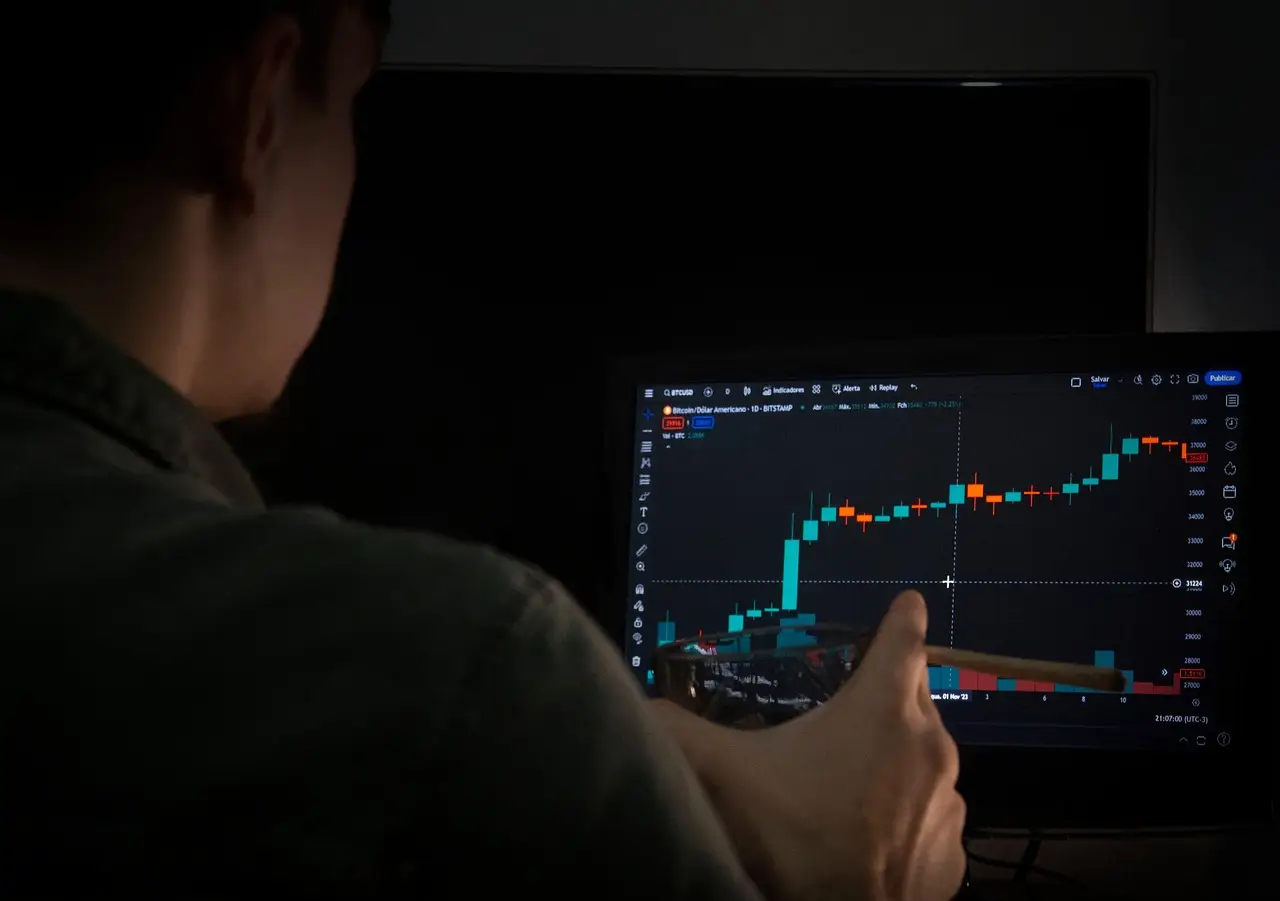
Kraken’s BTC/CAD market briefly printed C$24,250, about 70% below BTC/USD, as a suspected market-maker liquidity shortage disrupted Canadian-dollar trading without a market-wide Bitcoin selloff.
Outputs
Kraken’s BTC/CAD quote printed C$24,250, about US$16,900, while BTC/USD stood near $57,650.
The Canadian quote was nearly 70% below BTC/USD; other exchanges quoted Bitcoin at $55,000-$60,000.
Kraken said all orders were processed correctly and refused to reverse completed trades.
A one-hour outage on 30 October 2026 affected Kraken’s website, app and trading APIs.
Kraken’s xStocks platform expanded to over 1,000 tokenized stock listings.
By Elena Vasquez
Kraken’s BTC/CAD market printed C$24,250, about US$16,900 at the prevailing USD/CAD exchange rate, while BTC/USD stood near $57,650, according to AMBCrypto. Other major exchanges quoted Bitcoin between $55,000 and $60,000, so the apparent 70% fall was not visible across the broader Bitcoin market. Takeaway: The apparent collapse was local to one order book; Bitcoin’s broader market did not fall 70%.
What caused the Kraken dislocation?
AMBCrypto identified a sudden liquidity shortage in Kraken’s BTC/CAD order book as the primary suspected cause. The report placed the move over a weekend without an exact time or date and called the condition a liquidity vacuum that let the quote fall without a corresponding decline in Bitcoin’s broader market price.
Blockstream CEO Adam Back said the disruption “may have originated from a market maker running out of funds,” indicating a possible funding failure rather than a broad price decline. The report referred to the affected pair as BTC/CAD but described Back’s theory as involving a market maker in USD/CAD, without reconciling the pair labels.
Kraken has not confirmed the account, and the report did not identify the maker or quantify the missing depth. Takeaway: Market-maker exhaustion remains plausible, not confirmed.
Could arbitrage have widened the damage?
AMBCrypto said the distortion may have spread to other Canadian-dollar pairs as traders bought assets at depressed prices and sold them at higher prices elsewhere. Its summary also said a shortage of market makers affected ETH, XRP and USDT trading pairs, without providing pair-level prices, volumes or timestamps.
The mechanism matters because arbitrage links prices across venues, but a temporary gap can persist when one side lacks depth. The source did not say whether arbitrageurs executed trades or how large those trades were. Takeaway: The report offers a possible transmission path, not measured evidence of broad arbitrage losses.
What did Kraken say?
Kraken maintained that “all orders were processed correctly” and refused to reverse completed trades. The exchange therefore left the affected executions in place, although it did not confirm the proposed liquidity explanation.
AMBCrypto cited no further Kraken account, no correction policy and no independent finding. It also did not identify affected traders, quantify completed trades at C$24,250 or provide an order-book snapshot. Takeaway: Kraken defended the executed prices without validating the proposed cause.
What else happened at Kraken?
AMBCrypto also reported a one-hour technical outage on 30 October 2026 affecting Kraken’s website, mobile app and trading APIs. Its account placed the price disruption after that outage, but the report established no causal link and gave no exact date for the weekend dislocation.
Separately, AMBCrypto said Kraken had expanded its xStocks platform to over 1,000 tokenized stock listings, citing its previous report. It did not connect that expansion to the order-book episode or disclose whether the listings added Canadian-dollar liquidity. Takeaway: Neither development explains the pricing anomaly.
What remains unverified?
The central caveat is evidentiary: the report establishes a suspected liquidity shortage, not a confirmed cause. It offers no tick-by-tick data, aggregate order-book depth, trade count or exchange-wide BTC/CAD volume with which to test the account.
Kraken’s refusal to unwind completed trades leaves those executions in place, while the source provides no deadline for review or corrective action. Takeaway: The next test is whether Kraken discloses CAD order-book depth, the cause of the liquidity shortage and policy changes; the report identifies no scheduled disclosure or structural reform.
via cryptonews.net (Source)
More from Elena Vasquez
Show full bio
Staff writer covering regulation, policy and their impact on crypto and web3 industry at Mempool Brief.
1,837 articles