Kraken Parent Payward to Launch Two Krak Credit Cards in US
Payward, Kraken's parent, opens a waitlist for two US credit cards launching in early 2027 via Krak, with up to 4% cash back in dollars or BTC and USDC collateral options.
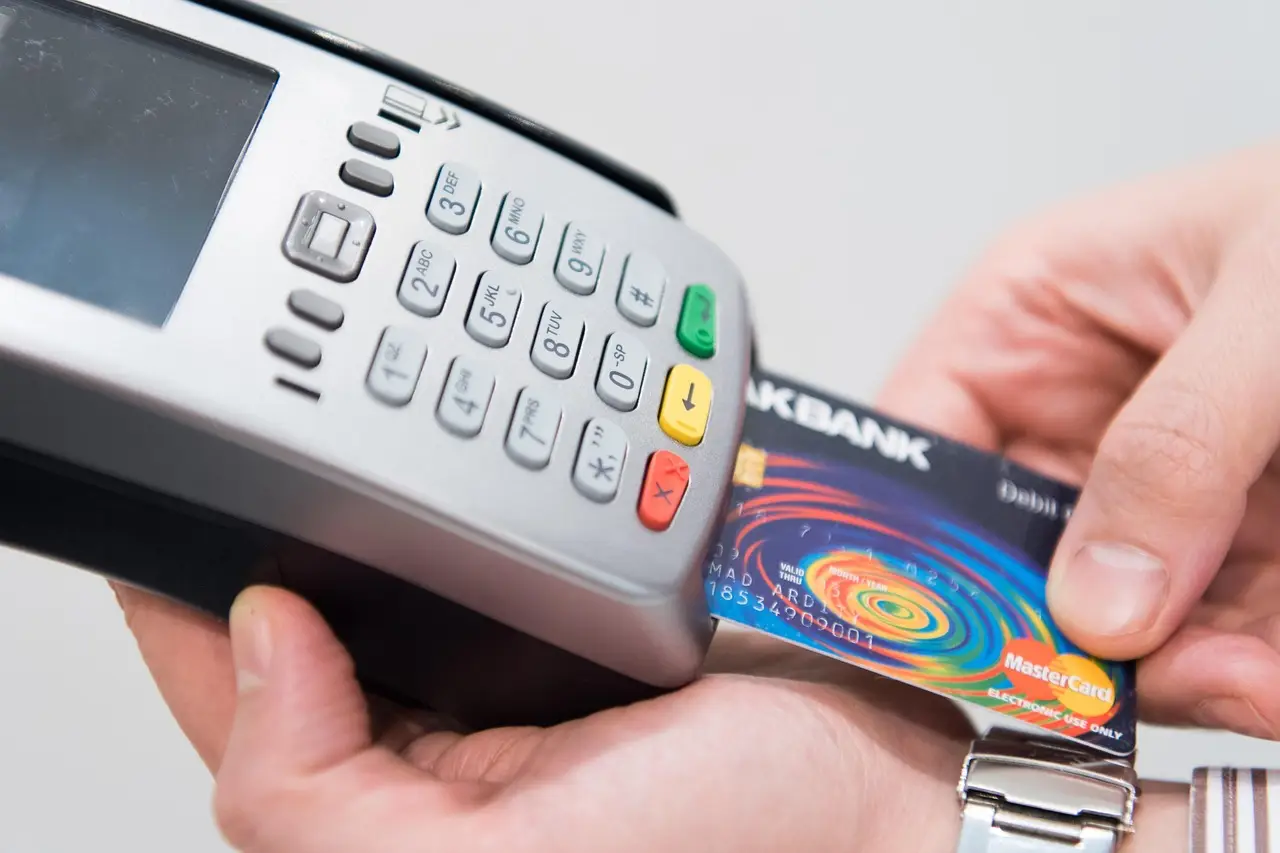
Outputs
Payward plans to launch the Krak Credit Card and Krak Secured Card in the US in early 2027.
Both cards offer up to 4% cash back, payable in US dollars or Bitcoin (BTC).
The Block reported the waitlist opening on November 24, 2024-era coverage of the Payward rollout.
The secured card accepts Circle's USDC as collateral, with yield earned on pledged assets.
Rewards deposit directly into users' Krak accounts within Payward's financial app.
Payward, the parent company of crypto exchange Kraken, will launch two credit cards in the United States in early 2027 through its financial app Krak, according to a report by The Block published November 24. The company opened a waitlist for both products: the Krak Credit Card and the Krak Secured Card.
Both cards offer up to 4% cash back on purchases, payable in US dollars or Bitcoin (BTC). Rewards deposit directly into users' Krak accounts rather than a separate banking product, tightening the link between everyday card spending and the app's crypto rails.
The product pair marks Payward's most direct push yet into consumer credit. By anchoring rewards inside Krak, the firm converts routine card activity into account balances that sit within its own ecosystem — a retention mechanism comparable to how airlines route miles through their own loyalty programs.
The secured variant carries the more distinctive design. Users can post Circle's US dollar stablecoin USDC as collateral to back their credit line. They will also earn yield on the pledged assets while the collateral sits locked.
That structure matters for consumers who lack conventional credit history or prefer not to pledge cash deposits to a traditional bank. A secured card typically requires an upfront deposit that earns little or nothing; a USDC-backed line, with yield accruing on the collateral, changes the economics of credit building — provided users accept stablecoin counterparty and depeg risk.
What does the launch change for Krak?
Krak is Kraken's broader financial app, and the cards turn it from a trading-and-payments surface into a fuller retail finance stack. The rollout extends the exchange's reach into spending, credit and rewards — territory contested by both crypto-native card issuers and incumbent banks experimenting with crypto-linked products.
The choice of Bitcoin or dollars for the 4% back also reflects a deliberate hedge. Users who want exposure can auto-convert rewards into BTC; users who do not keep a stable dollar payout. The decision sits with the cardholder at redemption.
USDC's role as accepted collateral signals continued institutional alignment with Circle's token, which has become the de facto settlement and collateral asset across much of the regulated crypto ecosystem. Yield on pledged USDC will compete with native stablecoin staking options offered elsewhere.
What comes next?
The early 2027 timeline gives Payward roughly two years to clear card issuance, banking partnerships and consumer-credit compliance — including securities and lending questions that attach to yield-bearing collateral. Whether both cards reach market on schedule, and in how many US states, will depend on that regulatory path.
The waitlist opened November 24 gives the company an early read on demand. Card programs live or die on interchange volume, and a waitlist converts marketing spend into measurable pre-launch demand.
via en.bloomingbit.io (Source)
More from Tom Whitfield
Show full bio
News editor covering technology and product news in crypto and web3 industry at Mempool Brief.
1,745 articles