Kuwait Seizes Hundreds of Bitcoin Miners Across Five Residential Homes
Kuwait seized hundreds of bitcoin miners across five Sabah Al-Ahmad homes, months after a court acquitted earlier defendants and a 2025 crackdown cut Al-Wafra grid demand by 57.6%.
Outputs
Kuwaiti authorities seized hundreds of mining machines across five homes in Sabah Al-Ahmad; the suspect admitted operating them.
Kuwait banned all crypto mining in July 2023 under a Capital Markets Authority 'absolute ban'.
The 2025 Al-Wafra crackdown cut transformer demand from 85 MW to 36 MW, saving ~15 million KWD annually.
A February 2026 criminal court acquittal found prosecutors had insufficiently criminalized bitcoin mining under invoked statutes.
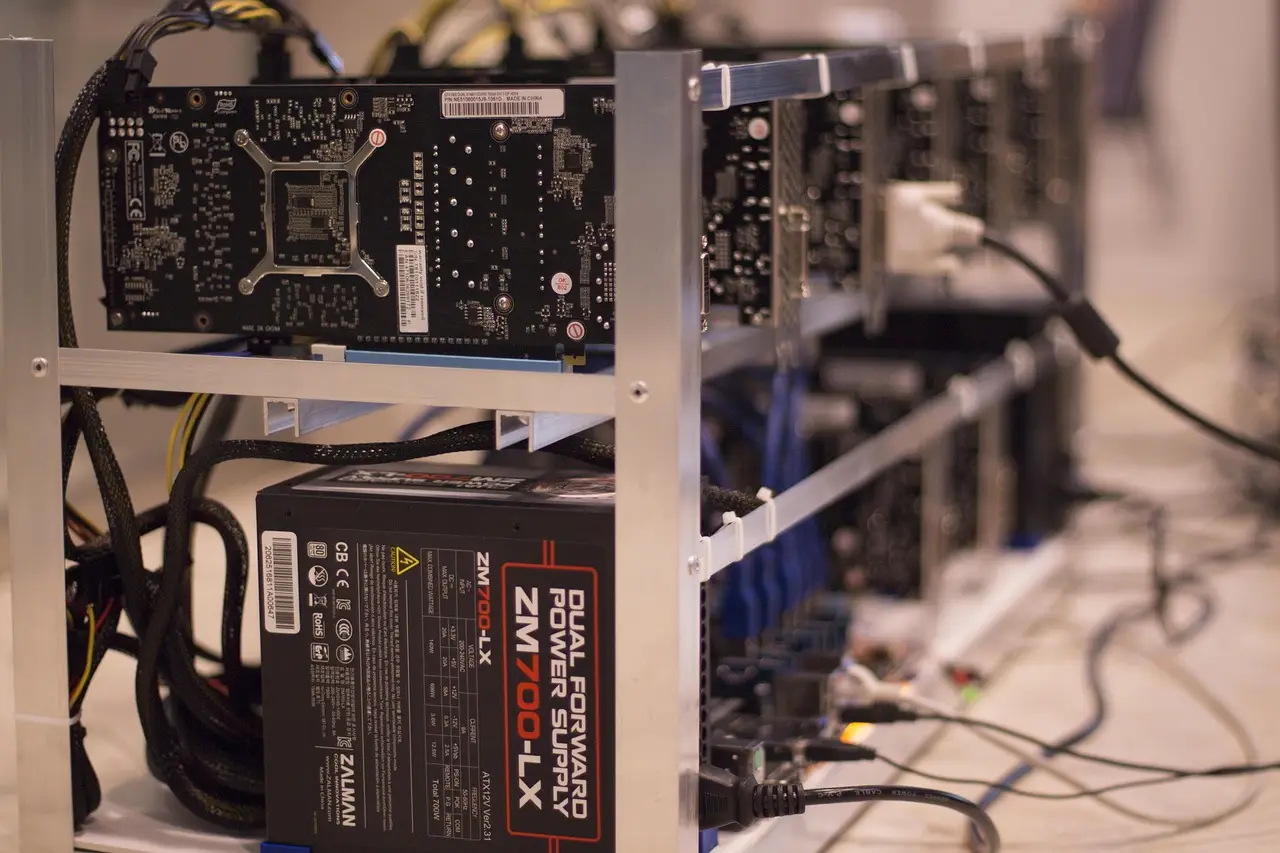
Kuwait's Criminal Security Sector seized hundreds of bitcoin mining machines across five residential properties in Sabah Al-Ahmad, the Interior Ministry said, and referred a Kuwaiti citizen for legal proceedings after he admitted operating the installations.
The Ahmadi Governorate Investigation Department launched the raid after receiving information about prohibited mining activity inside residential properties, according to the ministry. Investigators searched five homes and found hundreds of mining machines alongside computers, networking equipment and extensive electrical infrastructure.
Ministry footage published on X showed an elaborate setup. The roughly 61-second video captured rows of rectangular air-cooled units with large cooling fans next to immersion-cooling tanks holding submerged hardware lit by green status lights. Several dusty machines carried factory markings of 14 terahashes per second per unit, resembling aging Antminer S9-class equipment, running alongside modern immersion-cooled ASIC rigs — a cooling method generally associated with industrial-scale operations, not residential ones.
What rules does the operation violate?
Kuwait has banned all cryptocurrency mining since July 2023, when the Capital Markets Authority imposed an "absolute ban" on digital asset mining infrastructure alongside sweeping restrictions on crypto payments, investments and related commercial services. Authorities framed the measures as compliance with Financial Action Task Force standards on money laundering and terrorist financing.
The economic pull is hard to miss. Government subsidies have historically kept residential electricity for Kuwaiti citizens at fractions of a U.S. cent per kilowatt-hour, and electricity is one of the largest recurring costs for miners. Kuwait's extreme summer heat, growing demand and infrastructure constraints put unauthorized mining directly at odds with national energy priorities.
How big was the earlier crackdown?
The Sabah Al-Ahmad seizure extends a campaign that began between April and May 2025, when authorities identified more than 1,000 suspected mining locations nationwide. About 100 homes in the southern Al-Wafra area showed abnormal consumption, some drawing 20 times the power of ordinary households. One residence logged more than 100,000 kilowatt-hours in March 2025 alone. Smart-meter data flagged properties with unusually consistent loads around the clock — a signature of continuously running mining hardware.
The results were measurable. Demand on Al-Wafra's main transformer fell from 85 MW to 36 MW after enforcement, a 57.6% drop, with estimated annual generation savings of roughly 15 million Kuwaiti dinars. The investigation ultimately covered 116 individuals across 31 cases and 59 properties. Authorities cut power to implicated homes and required Interior Ministry clearance before restoring service. In July 2025, police arrested another citizen running miners in a rented Sabah Al-Ahmad home who admitted concealing machinery during the earlier sweep and resuming operations roughly two weeks before his arrest.
Does the case face legal risk?
Enforcement hit a legal snag in February 2026, when a criminal court acquitted defendants in an earlier mining case, finding prosecutors had not sufficiently criminalized bitcoin mining under the statutory provisions they invoked. The ruling left the 2023 prohibition intact but exposed gaps in its criminal enforcement. As of Nov. 29, authorities had not named the latest suspect or disclosed charges, penalties or court proceedings, though the ministry's video shows a handcuffed individual beside racks of air-cooled machines.
Until lawmakers close that statutory gap, each new seizure lands in a courtroom where the underlying conduct itself remains legally contested.
via cryptonews.net (Source)
More from Daniel Okafor
Show full bio
Correspondent covering people, launches and day-to-day practice in crypto and web3 industry at Mempool Brief.
2,034 articles