0b2824ee-6
Ledger Confirms Tampered Wallets in Berlin, Probes Two More in Dubai
Ledger confirmed tampered wallets in Berlin and is probing two in Dubai, part of the same implant scheme behind an estimated $102M in Southeast Asia losses across 335 wallets.
Outputs
Ledger confirmed tampered wallets in Berlin and two suspected units in Dubai, per a Wednesday support-site update.
A blockchain analytics firm estimated $1.68 million drained from 16 wallets in Dubai and Berlin, after ~$102 million from 335 wallets in Southeast Asia.
The implant — a chip, eSIM and cellular module — reads the 24-word recovery phrase during setup and sends it over a mobile network.
Berlin buyers since January 2026 are asked to contact Ledger support; X-ray inspections are offered at the Vierzon, France factory.
Ledger has confirmed tampered hardware wallets in Berlin and is investigating two more suspected units in Dubai, the French wallet maker said in a support-site update on Wednesday, widening a probe into spy implants it first traced to resellers in Southeast Asia in October.
The new cases are part of "the same incident," Ledger said. Every confirmed device carries an identical physical modification designed to capture a user's recovery phrase during wallet setup. "There is no flaw in Ledger's secure chip or operating system, and no confirmed case involving a device bought on ledger.com," the company wrote on X.
One affected unit turned out to be a Nano Gen5, Ledger's newer model, found among the Southeast Asian resellers the company had already suspended. Ledger did not give a count for Berlin, describing the cases there only as "a few tampered units."
How much has been stolen?
Ledger has not put a figure on losses. One blockchain analytics firm estimated that roughly $1.68 million was drained from 16 wallets in Dubai and Berlin, on top of approximately $102 million taken from 335 wallets across Southeast Asia last month.
The probe began in October after users in Southeast Asia reported drained wallets. Ledger linked the cases to devices sold through CryptoBilis, a Malaysia-based authorized reseller, and asked it to stop selling and shipping Ledger products, BleepingComputer reported.
In an Oct. 15 blog post, Ledger said a "highly organized criminal group" spent months buying genuine devices, fitting them with hidden components and slipping them back into distribution through resellers. "They were patient, they spent millions, and they struck in one coordinated operation, draining wallets," the company wrote.
How does the implant work?
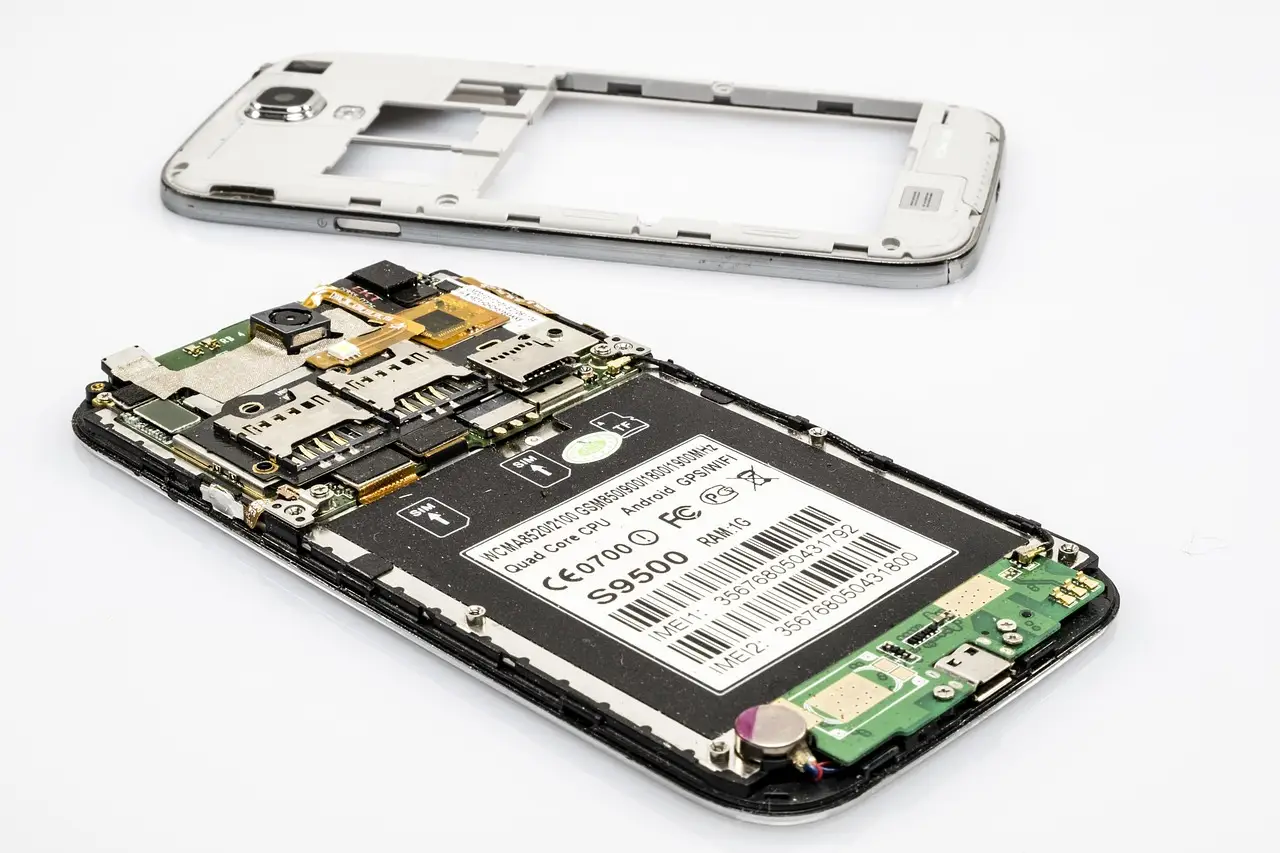
Researchers who opened tampered units found a small chip, an eSIM and a cellular module hidden inside the case. The implant reads the 24-word recovery phrase off the screen during setup and transmits it over a mobile network.
That design explains the limits of Ledger's defenses. Because the original secure chip stays intact, the company's Genuine Check cannot detect an added implant. And anyone holding the recovery phrase can rebuild every key on the wallet, including bitcoin keys, from anywhere. Ledger's firmware is sound; the supply chain around it was not.
What should Berlin buyers do?
Ledger asked anyone who bought one of its devices in Berlin since January 2026 to contact its support team. In Dubai, the company is working with distribution partners to determine how the two suspected units entered circulation. Its Donjon security team is examining suspected devices, and resellers have been asked to pause sales wherever inspections are still running.
Customers worried about a device should stop using it and must not open it themselves, Ledger said. The company's advice is blunt: move funds to a new wallet created on a device bought directly from ledger.com, and do not reuse the old recovery phrase or passphrase, because a tampered unit can capture both.
Affected users should also file a report with local authorities. For a limited time, Ledger is offering physical inspections, including X-rays, at its factory in Vierzon, France.
"This continues to be a small number of devices overall, and we do expect more to be discovered in our investigation and via social media," Ledger said.
What does this mean for hardware wallet distribution?
The breach lands as hardware wallet makers face pressure on several fronts. Trezor said this week that a shipping partner's breach exposed roughly 27,000 orders. BlackRock, meanwhile, has said security fears are pushing some large holders toward its spot bitcoin ETF rather than self-custody.
Ledger has already tightened its reseller rules. In October it told resellers to keep devices off store shelves and hand them over only at the time of purchase, and reminded them that returned devices can never be resold.
The company also repeated its standing warning on X: "We will never ask for your recovery phrase."
With inspections still running across reseller networks in Europe, the Middle East and Southeast Asia — and Ledger itself expecting more tampered units to surface — the count of confirmed devices and drained wallets is likely to grow before the investigation closes.
via support.ledger.com (Original)
More from Daniel Okafor
Show full bio
Correspondent covering people, launches and day-to-day practice in crypto and web3 industry at Mempool Brief.
1,653 articles