cf9daa1f-4
Ledger CTO exits after $604,000 Dubai theft reports
Charles Guillemet will leave Ledger at the end of 2026 as investigators examine tampered wallets linked to two reported Dubai losses totaling about $604,000.
Outputs
Ledger CTO Charles Guillemet will leave at the end of 2026 after nine years.
Two Dubai customers reported about $604,000 in losses: roughly 1,300 Solana and 507,000 USDT.
Ledger’s Nov. 18 update found modified devices beyond Southeast Asia, including Europe and the Middle East.
Ledger has sold more than 8 million hardware signing devices across 180 countries.
Ledger says its products protect roughly 20% of crypto assets, while its enterprise business serves over 100 institutions and brands.
Two customers in Dubai reported about $604,000 in cryptocurrency losses involving Ledger devices, as the hardware wallet maker’s chief technology officer announced his departure during an active investigation.
Charles Guillemet will leave Ledger at the end of 2026 after nine years. He plans to build a cybersecurity venture focused on threats that artificial intelligence makes cheaper and easier to execute. In a Nov. 19 post on X, Guillemet wrote: “We’ve been preparing this transition for many months, so Ledger’s teams, partners and roadmaps are ready.”
He said the transition had been months in preparation and did not connect his departure to the security controversy. The announcement came one day after Ledger’s Nov. 18 investigation update, which found modified hardware wallets beyond Southeast Asia, including cases in Europe and the Middle East.
Guillemet did not name his venture or provide a launch date. He said researchers can use AI to identify vulnerabilities as attackers use it to scale cyberattacks. Further details are expected soon.
How the tampering reached stores
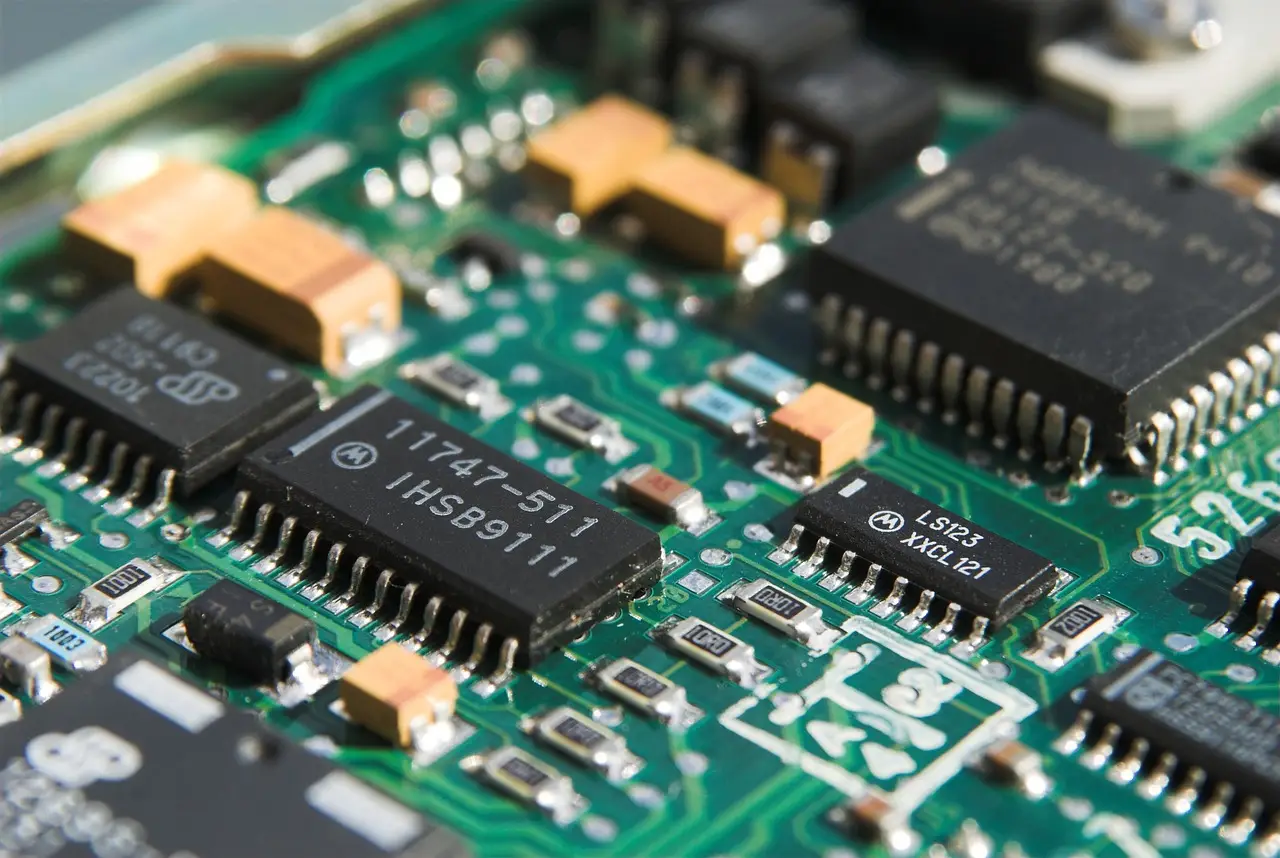
Ledger first publicly detailed the scheme in October. Criminals bought genuine hardware wallets, opened them, installed concealed electronic components and returned them to reseller distribution channels. The implants targeted recovery phrases during wallet setup. That gave attackers access to cryptocurrency without compromising Ledger’s secure chip or operating system.
Modified genuine devices could still pass authentication checks. That turns the physical supply chain into a separate security risk, even when the core hardware functions as designed.
Ledger’s Donjon security research laboratory examined the modified devices and helped identify how the implants operated. In an Oct. 15 statement, Ledger called the incident a distribution channel attack and asked authorized resellers in Southeast Asia and Hong Kong to suspend sales. The company later tightened reseller rules, including restrictions on displaying devices in stores and reselling returned products.
What happened in Dubai?
Crypto.news reported on Nov. 18 that two Dubai customers lost cryptocurrency after buying Ledger devices from Virgin Megastore. One said thieves took around 1,300 Solana. Another said 507,000 USDT had been stolen. Together, the reported losses totaled approximately $604,000.
Security researcher and former Mt. Gox CEO Mark Karpelès reviewed photographs from one case. He identified an unauthorized circuit board and antenna. Investigators had not confirmed physical tampering in the second case. The distinction matters because the reports emerged alongside broader findings but did not establish identical device alterations in both losses.
Earlier CryptoBilis research had found that rival manufacturer Trezor faced similar concerns involving devices sold through the same reseller. Ledger’s current investigation, by contrast, concerns altered genuine Ledger devices.
Ledger said the investigation remains active. Donjon is examining suspected devices, while the company works with law enforcement and distribution partners.
What does this change for hardware-wallet buyers?
The practical change is that authentication alone no longer answers whether a retail unit has been altered. A device can contain genuine Ledger components and still include circuitry added to steal a recovery phrase. The risk sits in sourcing, handling and resale as much as in wallet software.
Ledger’s response so far focuses on channel controls. It asked resellers in Southeast Asia and Hong Kong to stop sales, then tightened rules for store displays and returned products. Those measures aim to reduce opportunities for tampered units to reach buyers. They do not amount to a finding that every Ledger device has been compromised.
Guillemet’s tenure explains why his exit carries operational weight beyond one executive transition. He joined the French company as chief security officer in December 2017 when it was a relatively small startup, established Ledger Donjon and later became CTO. Under him, the laboratory investigated vulnerabilities across hardware, software and infrastructure, including smartphone secure boot systems, before expanding into post-quantum cryptography and AI-based security tools.
Ledger grew into a unicorn during his tenure. The company says it sold more than 8 million hardware signing devices across 180 countries. Ledger also says its products protect roughly 20% of the world’s crypto assets, while its enterprise business serves more than 100 financial institutions and brands.
The next fixed date is year-end 2026, when Guillemet plans to complete his departure. Before then, Donjon’s examination of suspected devices and Ledger’s work with law enforcement and distributors will test whether tighter reseller rules can close the distribution gap.
via crypto.news (Source)
More from Marcus Bennett
Show full bio
Senior reporter covering money, funding and market shifts around crypto and web3 industry at Mempool Brief.
1,581 articles