0x2db012f42db0…2db012f7
MEXC Kills Global Card After 79 Days, Blames Unnamed Issuer
MEXC discontinues its Global Card on November 18, 2026, after under three months, citing unnamed issuer changes; balances settle automatically on November 21.
Outputs
MEXC shuts down Global Card permanently on November 18, 2026, at 15:30 UTC
The virtual Visa card launched August 31, 2026, lasting under three months
APAC Card was discontinued on November 11, 2026, over similar issuer problems
Cashback ranged from 4% to 10% paid in USDT
Leftover balances settle automatically on November 21, 2026, then move to spot accounts within three business days
MEXC will permanently shut down its Global Card service on November 18, 2026, at 15:30 UTC, ending a virtual Visa product that ran for less than three months. The exchange attributes the discontinuation to changes made by a third-party card issuer it has declined to name.
The card launched on August 31, 2026, giving it a lifespan of roughly eleven weeks. Its shutdown follows the November 11, 2026 discontinuation of MEXC's regional APAC Card, which the exchange halted over comparable issuer problems. Two card products from one exchange are now gone within a single week.
What happened to cardholders?
The failure was not sudden. MEXC placed the Global Card into a temporary maintenance pause on November 14, during which card transactions and deposits were declined. That pause has now become permanent.
MEXC has instructed cardholders to move remaining card balances into their MEXC Fiat or spot accounts before the cutoff. Holders who miss the window face an automatic settlement on November 21, 2026, with settled balances transferred to spot accounts within three business days. Transaction history remains accessible during the transition.
The settlement date matters. A smooth transfer of leftover balances would substantiate MEXC's assurance that user assets are secure; a delay would undercut it. That assurance, so far, rests entirely on the exchange's own statements.
Why the issuer arrangement failed
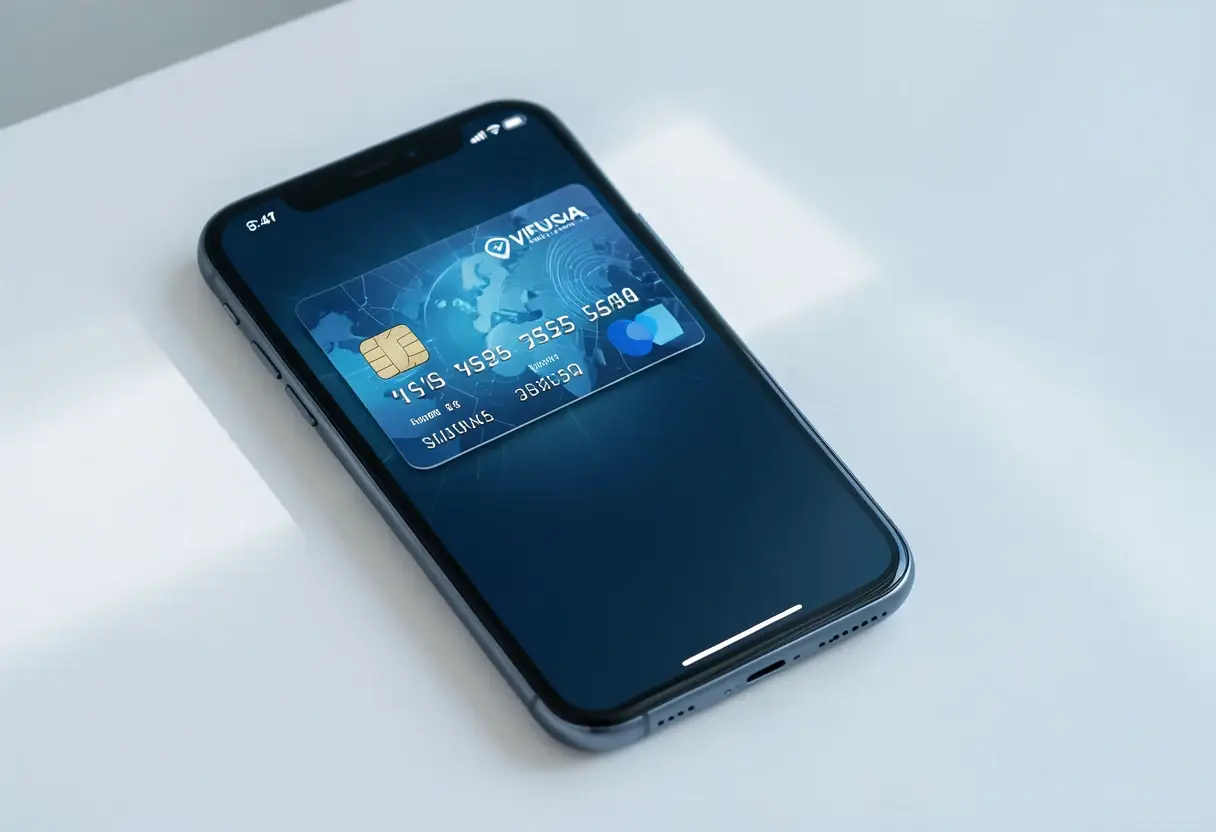
The Global Card was a virtual Visa product, added to mobile wallets such as Apple Pay and Google Pay, with a tiered cashback program paying 4% to 10% in USDT. Like most crypto debit cards, MEXC did not issue it directly. The exchange partnered with a third-party issuer that held the Visa network relationship, while MEXC handled the crypto side.
That structure is precisely what collapsed. When the unnamed issuer changed its terms, MEXC had limited capacity to keep the product running on its own. The exchange has not identified the issuer, for either the Global Card or the APAC Card, and has not explained what the changes were. The omission is notable; the parties bearing operational responsibility for the failure remain anonymous.
Does this affect the core exchange?
MEXC says no. Trading, deposits, and withdrawals on the main platform remain operational, and the company frames the event as a card problem rather than an exchange problem. Based on MEXC's stated process, card balances are being routed back into the exchange rather than frozen, with the November 21 automatic settlement acting as the safety net for inactive users.
The claim is plausible but unverified outside the exchange's own communications. No regulator, auditor, or issuer has corroborated the account, and MEXC has offered no timeline for a replacement product.
In plain terms: a headline consumer feature lasted under a quarter, and users must now trust an unnamed intermediary's exit process to recover funds they cannot spend.
The practical test arrives on November 21. If leftover balances land in spot accounts within the promised three business days, MEXC's containment narrative holds; if not, the exchange faces questions that a cashback program can no longer answer.
via Crypto Briefing (Source)
More from Elena Vasquez
Show full bio
Staff writer covering regulation, policy and their impact on crypto and web3 industry at Mempool Brief.
1,525 articles