Nvidia agrees to $290M settlement over crypto revenue disclosures
Nvidia’s proposed $290 million settlement addresses claims that crypto mining sales were counted as gaming revenue for common stock bought from Aug. 10, 2017, to Nov. 15, 2018.
Outputs
Nvidia agreed to a proposed $290 million shareholder settlement, according to a Tuesday court filing.
The proposed class covers Nvidia common stock acquired from Aug. 10, 2017, through Nov. 15, 2018, with qualifying losses.
Plaintiffs’ commissioned analysis estimated $1.1 billion in understated crypto-related GPU sales from May 2017 through July 2018.
The settlement equals about 14% of claimed damages; plaintiffs’ lawyers seek up to 21.4% of the fund in fees.
A preliminary approval hearing is scheduled for Feb. 4, 2027.
Nvidia has agreed to pay $290 million to settle a shareholder lawsuit alleging that it misled investors about cryptocurrency mining’s role in gaming revenue, according to a Tuesday court filing.
The proposed settlement would resolve a dispute dating to 2018. It still requires court approval.
It would cover investors who purchased or otherwise acquired Nvidia common stock between Aug. 10, 2017, and Nov. 15, 2018, and suffered qualifying losses.
The class definition fixes both the eligible purchase window and the loss requirement. Buying inside the date range alone does not establish a claim.
The suit began with a US ironworkers’ union-affiliated fund. Swedish asset manager Öhman Fonder and Dutch pension fund PGB later became lead plaintiffs.
The plaintiff group brought together a union-linked fund and two European institutional investors. Their claims focused on the demand mix behind Nvidia’s products, rather than the products themselves.
At issue was whether investors measuring the company’s gaming growth were also absorbing a mining-sensitive revenue stream.
How did crypto mining enter Nvidia’s revenue dispute?
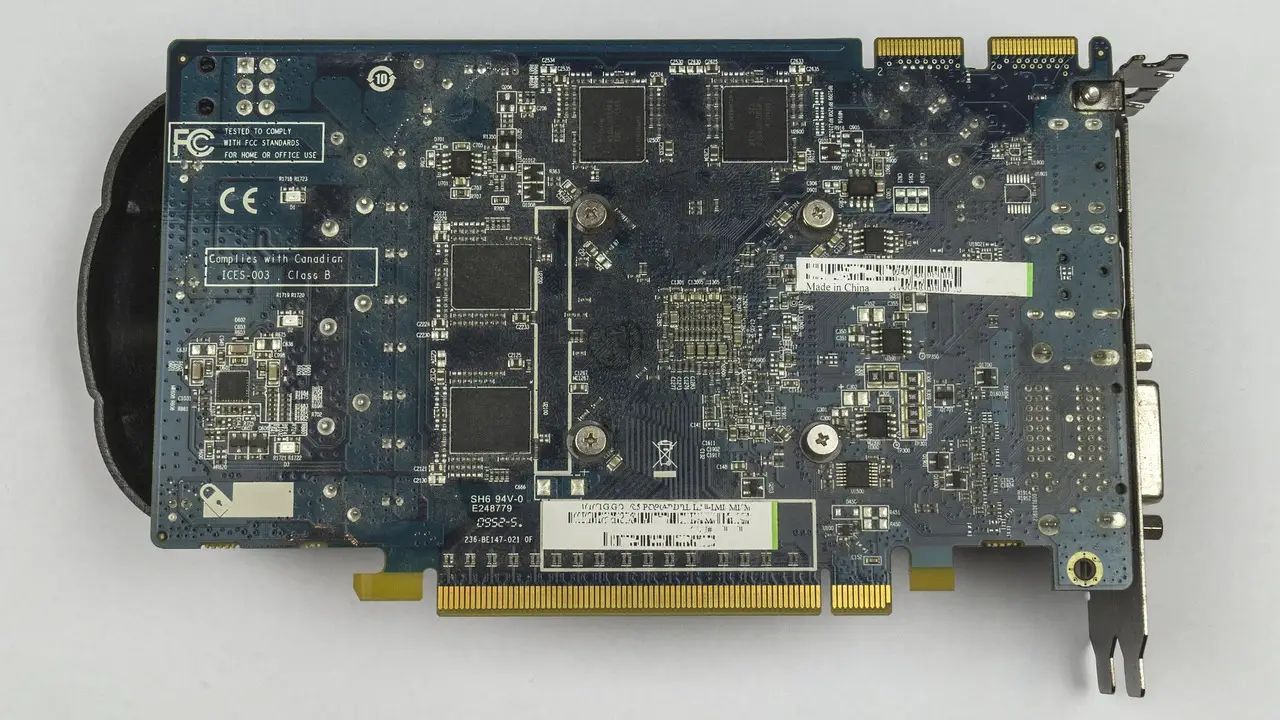
During the 2017–2018 crypto boom, miners purchased Nvidia’s GeForce GPUs to mine cryptocurrencies. Nvidia recorded those sales as gaming revenue.
Mining and gaming buyers supported the same GeForce line. When mining demand began to weaken, the mix behind reported growth became the central business question.
Plaintiffs commissioned an analysis that estimated Nvidia understated crypto-related GPU sales by $1.1 billion from May 2017 through July 2018.
The $1.1 billion figure came from the plaintiffs’ analysis, not a court finding. Nvidia said it could not reliably quantify mining’s effect on gaming revenue.
In November 2018, Nvidia lowered its quarterly revenue forecast amid weakening mining demand. Its stock fell 28.5% over the following two trading sessions, according to the plaintiffs.
Nvidia disputed the allegations. Its position was that reliable measurement was impossible, leaving the company unable to isolate mining’s contribution from broader gaming sales.
The legal fight then moved through several stages. A court dismissed the case in 2021. A federal appeals court revived claims against Nvidia and CEO Jensen Huang in 2023. The US Supreme Court dismissed its review in December 2024 without ruling on the merits. The case was certified as a class action in March 2026.
The Supreme Court’s action did not decide whether Nvidia misled investors. The claims then proceeded to class certification, setting up the proposed settlement now before the court.
What does the settlement change for investors?
If approved, Nvidia’s $290 million payment would resolve the class claims within the defined purchase period. Covered investors would have a settlement path for qualifying losses. Investors outside the class would not recover under the proposed agreement.
According to plaintiffs’ attorneys, the settlement represents approximately 14% of the total damages claimed by investors. Their attorneys intend to seek up to 21.4% of the settlement fund in legal fees.
That comparison uses claimed damages as its denominator. The filing does not describe a final judicial award, and Nvidia has disputed the allegations. If the fee request is granted, it would reduce the amount available to the class.
The settlement changes the risk for covered investors. They would trade a contested claim for a payment that depends on court approval, rather than wait for a trial on disputed disclosure allegations.
For Nvidia, approval would end the litigation described in the filing and put a $290 million price on the claims. The Supreme Court never resolved the merits, and the company had disputed the underlying allegations.
The next fixed point comes Feb. 4, 2027, when the court is scheduled to hold a hearing on preliminary approval. Until then, the $290 million settlement remains contingent.
via fingfx.thomsonreuters.com (Original)
More from Marcus Bennett
Show full bio
Senior reporter covering money, funding and market shifts around crypto and web3 industry at Mempool Brief.
1,802 articles