0x3ce364f03ce3…3ce364f3
PBOC Opens Probe Into Solana Activities Following Shanghai Office Launch
China's PBOC is probing Solana's Shanghai office, with an unnamed official calling its activities illegal under a February eight-agency notice banning RWA tokenization services to mainland entities.
Outputs
The PBOC is probing Solana after the Solana Foundation opened a commercial office in Shanghai.
An unnamed PBOC official classified the activities as illegal under a February notice issued by eight government agencies and the PBOC.
The Solana Accelerate event was suspended on October 16 with law enforcement on site and direct PBOC involvement.
The February notice bars overseas entities from providing RWA-tokenization services to domestic entities in any form.
China's central bank, the People's Bank of China (PBOC), is probing Solana-related activity after the Solana Foundation opened a commercial office in Shanghai — a move an unnamed PBOC official now says violated mainland rules on crypto-related services, local reports state.
The official said the activities were classified as illegal under a notice issued in February by eight government agencies together with the PBOC. The notice's language is explicit: "Overseas entities and individuals may not, in any form, illegally provide RWA-tokenization-related services to domestic entities."
The probe lands weeks after the Solana Foundation stunned the digital assets sector by establishing a commercial office in Shanghai, a striking step given China's long-standing anti-crypto posture. The launch drew praise from industry figures, including Binance co-founder Changpeng "CZ" Zhao.
"It's amazing to see that Solana was able to advertise and even get an office in China," Zhao said at the time. Many in the market read the office opening as a signal that Beijing might be softening its stance on digital assets — a reading the PBOC's intervention now contradicts.
How did the Shanghai launch unfold?
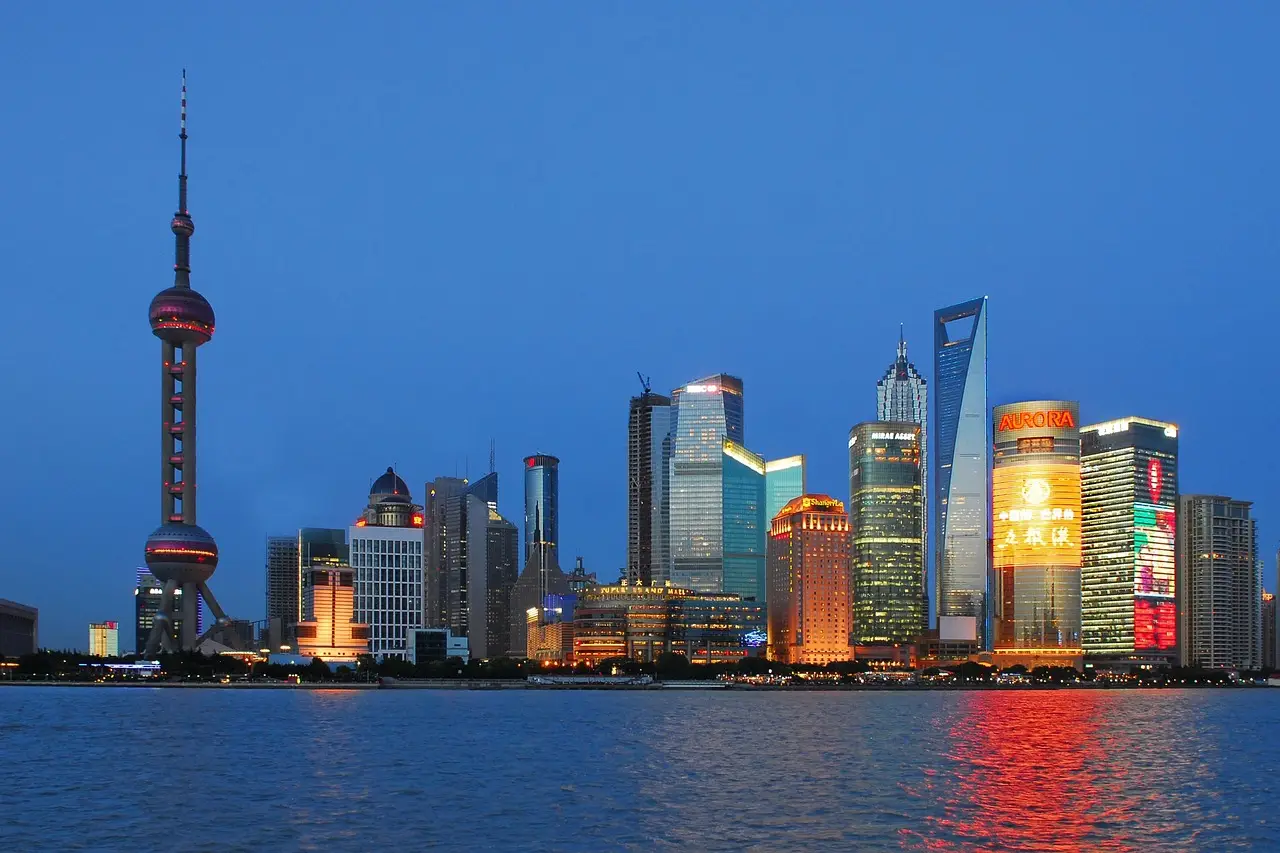
The office launch came with visible fanfare. A light show promoting the Solana brand, rendered in the cryptocurrency's colors, ran on the curtain wall of the Citibank tower in Lujiazui, Shanghai's financial district.
The follow-on event told a different story. On October 16, the Solana Accelerate conference was suspended mid-run. Solana Foundation President Lily Liu attributed the suspension to the venue being overwhelmed — the event cap exceeded the number of attendees registered with local authorities. She said the event would pause to "better accommodate the breadth and scale of our community."
The report now states that law enforcement was on site for the suspension and that the PBOC was directly involved, with an investigation into the entities and individuals involved still pending.
Accelerate's program had leaned away from trading and speculation. Its themes covered artificial intelligence, robotics, physical AI, emerging markets and local business development — content designed to skirt China's restrictions on cryptocurrency trading, an approach that ultimately did not shield it.
What enforcement comes next?
The unnamed PBOC official laid out the enforcement agenda in direct terms. The central bank "will work with relevant departments and local governments, focusing on domestic virtual currency dealers and domestic related entities of overseas virtual currency issuance and trading platforms, to continue to crack down on domestic virtual currency-related business activities and maintain economic and financial order," the official said.
That framing matters for operational planning. It targets not only domestic dealers but also the mainland-facing arms of overseas crypto platforms — the exact category into which the Solana Foundation's Shanghai office falls.
For the Solana Foundation, the exposure is reputational and structural: a commercial foothold in China now sits under an open regulator-led investigation, and the pending inquiry into "entities and individuals involved" leaves the office's future in doubt.
For the broader market, the message is that February's eight-agency notice has teeth, and that flashy launches in Lujiazui won't be read as informal permission. The pending investigation will define whether the Shanghai office survives at all.
via cryptonews.net (Source)
More from Daniel Okafor
Show full bio
Correspondent covering people, launches and day-to-day practice in crypto and web3 industry at Mempool Brief.
987 articles