0x6bd8941c6bd8…6bd8941f
Phantom Opens Kalshi Prediction Markets for US Users
Phantom has opened Kalshi-backed prediction markets to eligible US users, with 15-minute Bitcoin contracts funded in CASH as the CFTC and Utah dispute the sector’s legal status.
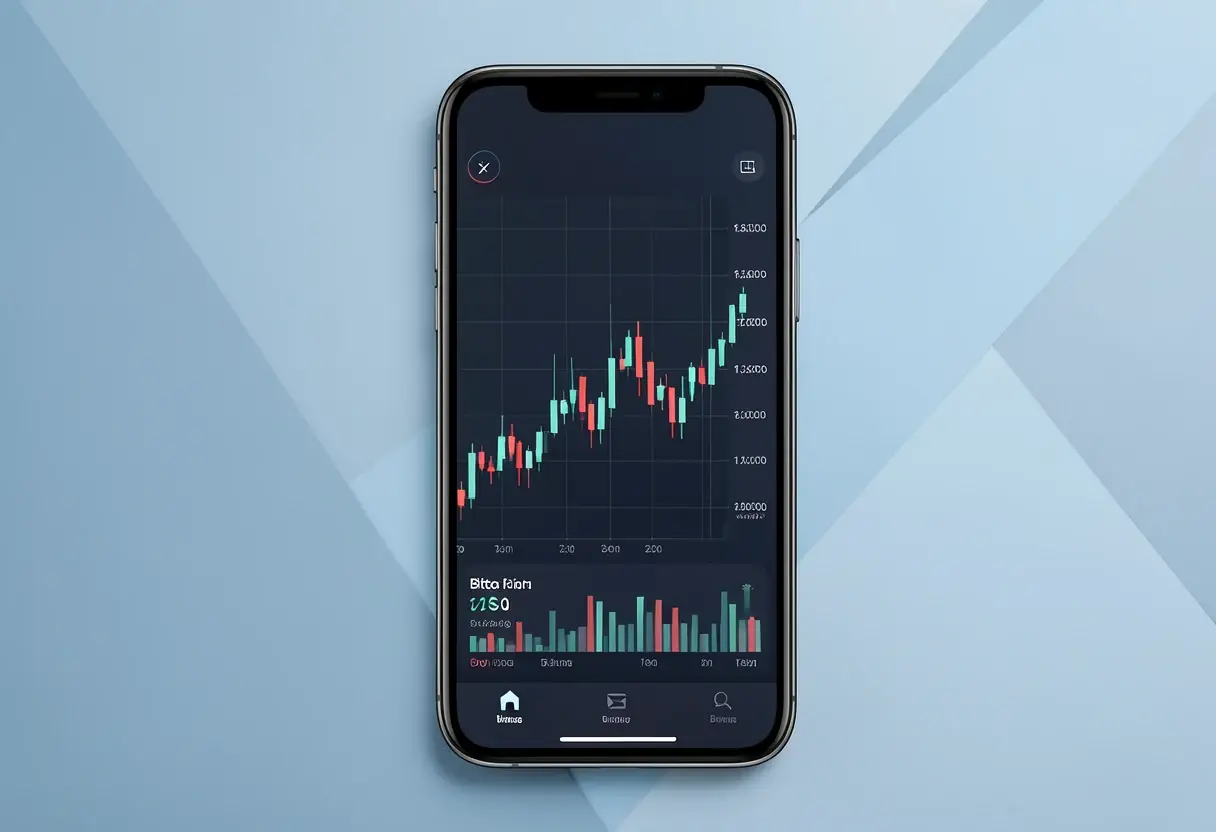
Phantom has launched prediction markets for eligible US users through Kalshi, including short-term Bitcoin price contracts that settle every 15 minutes, according to the wallet provider’s Wednesday announcement.
The product places CFTC-regulated event contracts inside Phantom’s app and covers crypto prices, sports and other real-world events. It operates under no-action relief the Commodity Futures Trading Commission granted Phantom in March, allowing the wallet to connect users to regulated markets without registering as an introducing broker, subject to certain conditions.
Eligible users can fund trades with Phantom Cash balances, denominated in the CASH stablecoin. They can view live market data, sports scores and market discussions before placing trades through an interface the announcement describes as similar to a cryptocurrency token swap.
The service is rolling out through a new Predict tab. Availability varies by state and market category, so the launch does not give every US user access to every contract type.
What does this change for Phantom users?
For users, the immediate change is access to a regulated event-contract interface inside the wallet rather than a separate destination. Funding through Phantom Cash connects the new activity to an existing app balance, while live data, scores and discussions provide the context needed to assess a market before trading.
The operating responsibilities remain divided between the two companies:
- Kalshi handles customer verification, account management and trade execution.
- Phantom provides market access through its app and the Predict tab.
Operationally, that division places onboarding and transaction handling with Kalshi and the distribution layer with Phantom. The March relief permits Phantom to route eligible users to the regulated marketplace without registering as an introducing broker, while the announcement’s qualification keeps the arrangement conditional rather than unrestricted.
Federal-state dispute. On Monday, the CFTC sued Utah after the state challenged Kalshi’s event contracts under its gambling laws. The case adds to a series of disputes over whether federal derivatives regulation supersedes state gambling rules.
For Phantom, the relevant distinction is between launching under an existing CFTC framework and establishing that framework’s priority over every state law. The launch proceeds against that backdrop, with state-by-state and market-category limits defining where eligible users can actually transact.
Utah’s suit does not alter the announced division of responsibilities, but it can shape the wider regulatory perimeter for event contracts. That makes Utah’s case relevant beyond the state: the availability of similar contracts elsewhere depends on how courts and agencies resolve the federal-state question.
Activity amid litigation. Despite the legal uncertainty, Kalshi recorded $10.8 billion in crypto contract volume over the 30 days ending Oct. 27, up 19.6% from the previous period, according to data compiled by DeFi Rate.
On a simple 30-day average, the cited total equates to $360 million per day. The accompanying chart identifies its window as Sept. 28 to Oct. 27, 2026. Those figures show continued use of the platform, but DeFi Rate’s dataset does not isolate volume generated through Phantom’s new integration.
What the arrangement changes. For Phantom, the integration adds an event-trading surface, including a 15-minute Bitcoin market, without making the company the venue or the party responsible for executing contracts. For Kalshi, Phantom becomes another distribution channel while customer checks and account servicing remain centralized.
For eligible users, the result is a swap-like interface attached to cash balances already held in Phantom, subject to jurisdictional and product-category gates. As the Utah litigation proceeds and the state-limited rollout matures, the CFTC’s conditions on Phantom relief and any changes in state-level access will provide the clearest evidence of whether the Predict tab can broaden into a nationwide channel or remain a segmented service.
via businesswire.com (Original)
More from Nathan Brooks
Show full bio
Market editor covering money, funding and market shifts around crypto and web3 industry at Mempool Brief.
652 articles