Pulsar adds TRON USDT deposits for virtual-card spending
Pulsar’s Nov. 19 integration lets eligible users deposit TRC-20 USDT on TRON and spend through virtual cards without first converting via a traditional bank transfer.
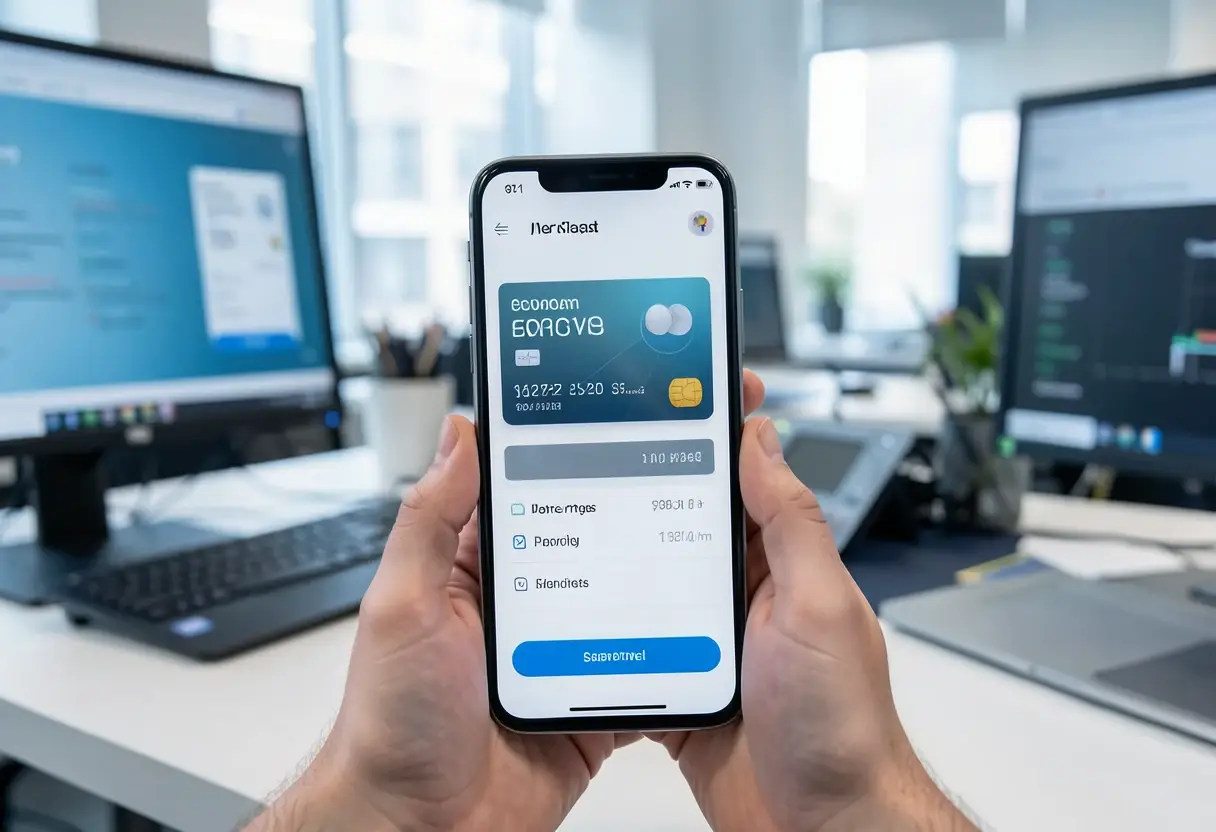
Pulsar said on Nov. 19 that eligible users can now deposit USDT through TRON’s TRC-20 network and pay with supported balances through the company’s virtual card. The integration gives users another route to spend stablecoins without first converting them through a traditional bank transfer.
What does the integration change?
For users who already hold USDT on TRON, the practical change is direct access to Pulsar’s card-spending balances through a blockchain deposit. Pulsar said supported balances can cover online purchases, subscriptions and other everyday expenses. The announcement treated the feature as a practical extension of stablecoin payments, not as evidence that consumer spending has suddenly accelerated.
To make a deposit, a user selects USDT and the TRON (TRC-20) network in the Pulsar app, then sends funds to the deposit address provided for TRON. The funds are transferred on the TRON blockchain using the TRC-20 token standard.
What does “zero deposit fees” cover?
Pulsar said: “supported stablecoin deposits carry no fees across its plans.” That statement applies to supported deposits, according to the announcement, not to every charge involved in the payment process. Users may still face blockchain network charges or third-party provider fees.
Availability can vary by region and service provider, so users cannot assume the integration is available under identical terms in every market or through every service provider. Pulsar also did not provide a complete comparison of total transaction costs against other networks or payment methods. Operationally, the zero-fee claim removes Pulsar’s stated deposit charge but leaves users to assess network and outside-provider costs separately.
Pulsar also describes itself as a “money app, not a bank.” That wording frames Pulsar’s role as an application for moving and spending funds rather than a bank. For users, the distinction makes the fee disclosure, regional availability and third-party charges relevant to the all-in cost of using a virtual card.
How large is TRON’s stablecoin activity?
TRON’s stablecoin settlement volume reached $2.21 trillion in Q3 2026, averaging approximately $24 billion per day, according to the announcement. TRON DAO also reported more than $94 billion in circulating USDT on the network. Those figures describe the scale of the underlying TRON ecosystem, not Pulsar’s adoption of the new deposit option.
Pulsar disclosed no user numbers, deposit totals or completed card-payment volumes. As a result, the TRON activity data cannot establish how many Pulsar users will fund cards with USDT, how much they will deposit or whether the route will shift spending from other payment methods.
Will the feature drive card spending?
For now, the Nov. 19 integration expands access to stablecoin-funded payments through a virtual card. Whether users actually spend more through that card remains unanswered, and the announcement supplied no adoption metrics to resolve the question. As stablecoin deposits become available directly to card accounts, the next market-structure test is whether providers disclose deposit totals and completed card-payment volumes; without those figures, Pulsar has added a funding route, not demonstrated incremental consumer demand.
via cryptonews.net (Source)
More from Daniel Okafor
Show full bio
Correspondent covering people, launches and day-to-day practice in crypto and web3 industry at Mempool Brief.
1,770 articles