Pump.fun ends external wallet login with a private-key deadline
Pump.fun gives wallet users until November 30 at 15:00 UTC to link email or social credentials through a private-key flow; Ledger users are told to start fresh.
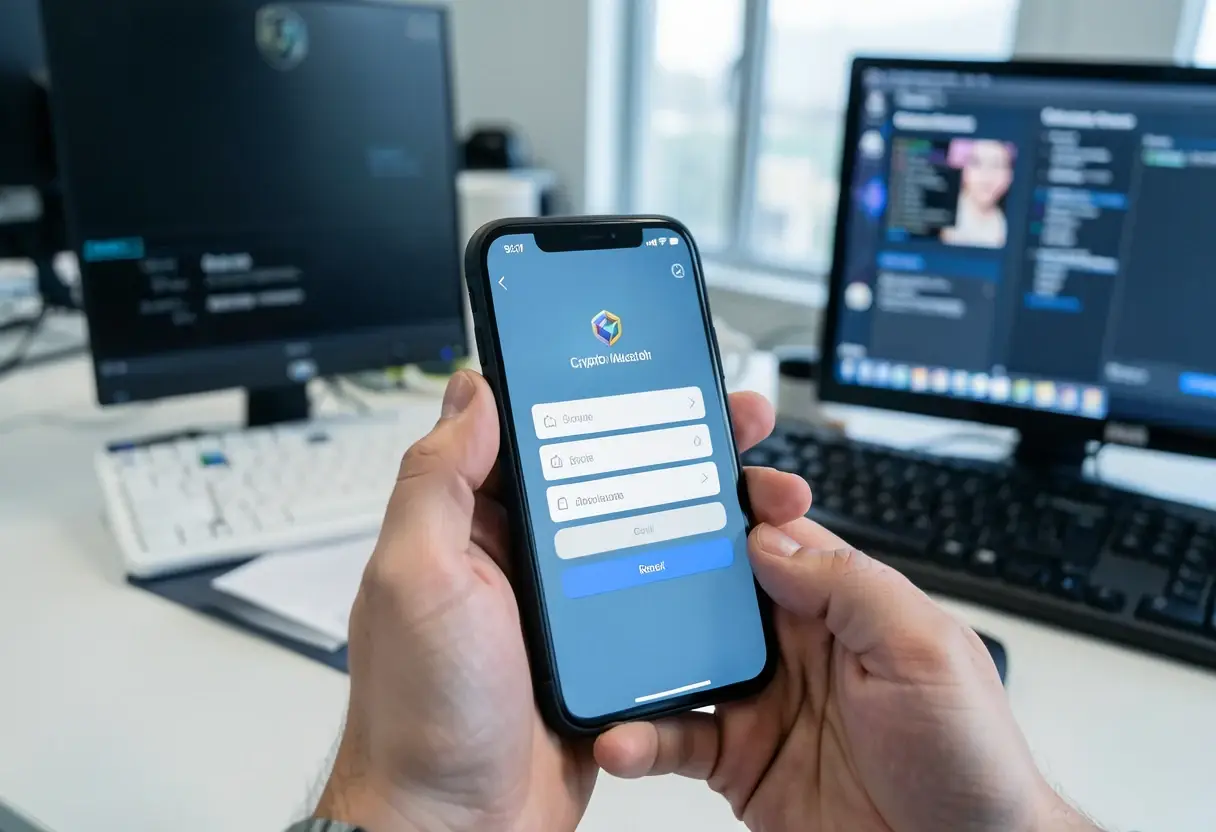
Outputs
Pump.fun will replace web wallet login with email, Google, Apple or GitHub authentication.
The deadline for wallet-linked users is November 30 at 15:00 UTC.
The main migration route asks for a private key, which Pump.fun says Privy encrypts in-browser with E2EE.
Ledger devices cannot export private keys, so Pump.fun recommends new accounts for migration.
Mark Karpelès says entering private keys on a website is insecure and conflicts with Pump.fun’s terms.
Pump.fun said it will end external-wallet login on the web, with November 30 at 15:00 UTC set as the deadline for existing wallet-linked users to retain their accounts. The company’s migration requires an email or social login, and its principal linking route asks users to enter a wallet private key.
What changes on November 30?
Going forward, web users will authenticate with an email address or through Google, Apple or GitHub, matching the sign-in process already used in Pump.fun’s mobile app. Pump.fun said: “only the login method is changing.” The company says wallet-linked accounts retain their addresses, positions, usernames and data.
To keep a wallet-linked account, users must first sign in with their wallet before the deadline. They then use a linking feature to attach an email or social account, which asks for the wallet’s private key.
Pump.fun says the key is encrypted in the browser and handled with end-to-end encryption by Privy, its login provider. Under that design, only the endpoints are intended to read the data, rather than intermediaries relaying it. The company also says the request occurs only inside a designated in-app window.
Pump.fun warns users never to share private keys through messages or outside the app. It presents the setup as sufficient, although the source identifies no independent security audit of the browser flow.
Takeaway: Pump.fun presents account data as portable across the login change, but existing users must trust a private-key process before the deadline.
Why did Mark Karpelès object?
A private key functions as the master password for a wallet, and control of that key grants control of the funds without further verification. Karpelès warned publicly that “entering private keys on a website is insecure.” He also argued that the request conflicts with Pump.fun’s own terms of use concerning security risks.
Pump.fun’s position is that browser-side encryption and the restricted in-app window distinguish the process from unsafe key sharing. The criticism nevertheless prompted a user debate over security and convenience, with many participants questioning the move away from self-custody and toward greater reliance on third-party login tools.
The argument remains unresolved on the evidence presented. The disagreement turns on whether the encryption and in-app restriction defeat the general risk Karpelès identified, rather than whether private-key entry carries consequences.
Takeaway: The dispute concerns consistency, as Pump.fun warns against a practice that its principal migration route asks users to perform.
How do Ledger users migrate?
Hardware-wallet users face a different path. Wallets with non-exportable keys, such as Ledger devices, cannot surrender a private key by design, so Pump.fun advises those users to create new accounts to migrate. Users uncomfortable with the key-linking route can use the same fallback.
Takeaway: Ledger users avoid the private-key request because their devices cannot export the required secret, but migration means starting a new account.
Can scammers imitate the private-key migration?
The clearest additional risk is phishing. A widely publicized migration involving private keys gives scammers an obvious event to imitate, and Pump.fun’s warning that it will never request keys through messages or outside sites directly addresses that danger. The warning cannot eliminate look-alike prompts, which makes the designated in-app window operationally important.
Existing users face a choice between completing the documented linking process or starting a new account. Takeaway: The next fixed checkpoint is November 30 at 15:00 UTC, by which point users seeking to retain wallet-linked accounts must have completed the linking steps.
via cryptonews.net (Source)
More from Elena Vasquez
Show full bio
Staff writer covering regulation, policy and their impact on crypto and web3 industry at Mempool Brief.
1,765 articles