0x0d1954b40d19…0d1954b7
Pyth Network Now Streams NYSE Real-Time Stock Data On-Chain
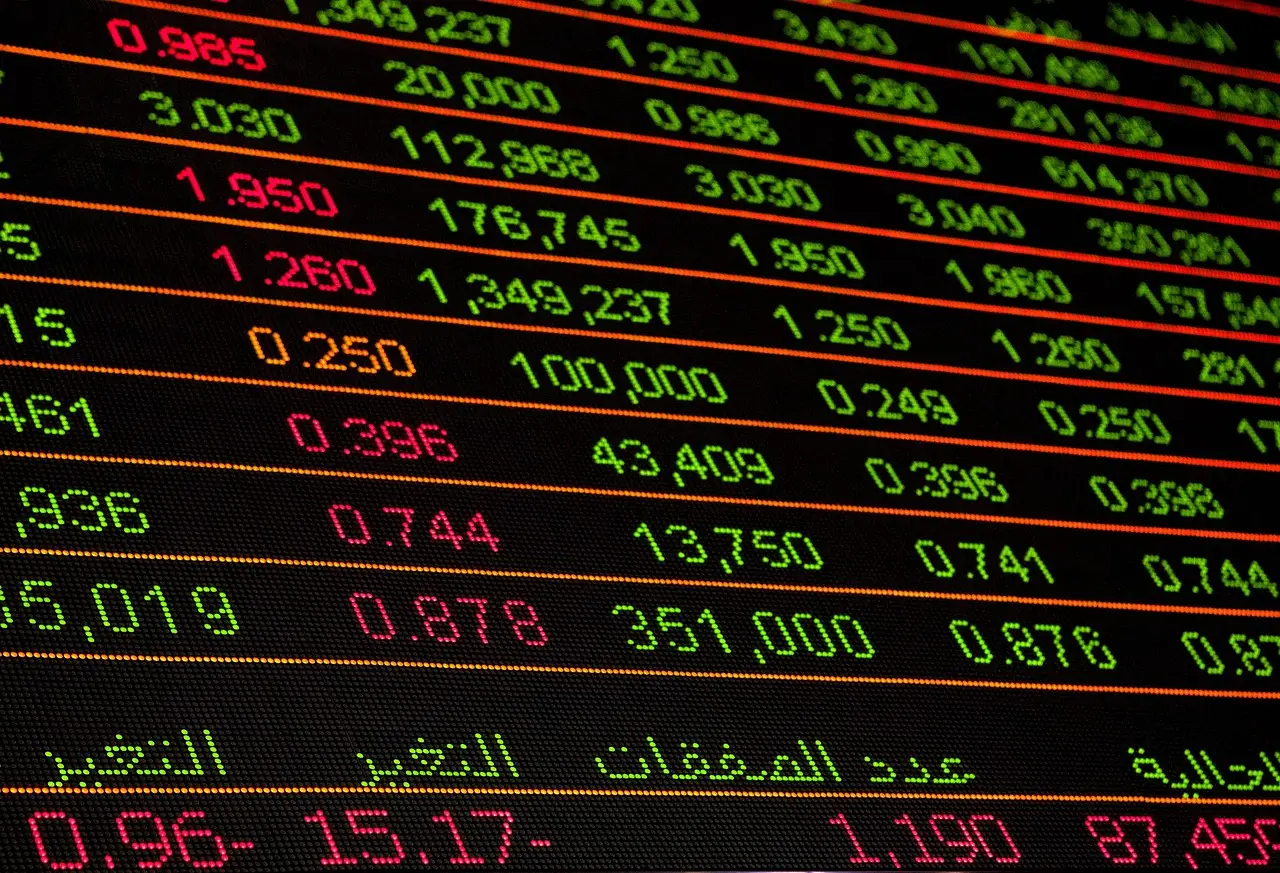
Pyth Network has begun distributing NYSE Best Quote and Trades, streaming real-time best bid/ask, trade prints, closing prices and halt notifications for U.S. stocks and ETFs on-chain.
Outputs
Pyth Network has begun distributing NYSE Best Quote and Trades (NYSE BQT), the NYSE's real-time market data product
The feed provides real-time best bid/ask prices and order volumes for U.S. stocks and ETFs, plus completed trade price and volume data
NYSE BQT consolidates data from five markets: NYSE, NYSE American, NYSE Arca, NYSE National and NYSE Texas
The feed includes official closing prices, consolidated volume and notifications such as halts, resumptions and short-selling restrictions
The news preceded price volatility in Pyth's token
Pyth Network has begun distributing NYSE Best Quote and Trades, the New York Stock Exchange's real-time market data product, marking one of the most direct pipelines yet between traditional equity data and on-chain infrastructure. The announcement came from Pyth Network itself and confirms that the feed is live for downstream users of its oracle ecosystem.
The data stream covers real-time best bid and ask prices for U.S. stocks and exchange-traded funds, order volumes sitting at those prices, and price and volume details on completed trades. That is the granular level professional traders pay serious money for on Wall Street. Now it flows through an oracle network built for decentralized applications.
What exactly does the feed include?
NYSE BQT is more than a quote board. It consolidates data from five markets into a single stream:
- NYSE
- NYSE American
- NYSE Arca
- NYSE National
- NYSE Texas
The feed also picks up securities listed on other exchanges but traded across those five venues. So a Nasdaq-listed name changing hands on NYSE Arca still shows up in the data. Beyond quotes and trades, the product carries the exchange's official closing prices and consolidated trading volume for each session.
There is an operational layer, too. The stream delivers event notifications: trading halts, resumptions, and restrictions on short selling. For any protocol building derivatives, lending, or structured products on top of real-world equities, those halt notices matter as much as the prices themselves. A price feed without halt awareness is a liquidation engine waiting to misfire.
What does this change for on-chain markets?
The practical question is simple: what does this change for developers and trading desks? It narrows the gap between on-chain and off-chain market structure. Protocols that historically relied on delayed or thinly sourced equity prices can now reference the same top-of-book and last-trade data that institutional desks consume, with exchange-official closing prices and volume statistics attached.
The announcement preceded noticeable price volatility in Pyth's token, which the market read as a reaction to the news. The business significance, though, sits in distribution. An oracle network carrying NYSE's flagship real-time product turns Pyth into infrastructure that bridges regulated U.S. equities data and decentralized finance applications — a positioning play as tokenized stocks and on-chain TradFi products push toward mainstream pipelines.
Why consolidation across five venues matters
Each of the five NYSE markets serves a distinct function, from primary listings to Arca's heavy ETF flow. Combining them into one normalized feed reduces the integration burden for smart-contract developers, who otherwise would stitch together venue-specific streams and reconcile discrepancies themselves. One long sentence to capture the stakes: a single, exchange-sanctioned feed with halts, closes, and consolidated volume gives decentralized protocols a data foundation that looks much closer to what a brokerage's risk engine consumes than what a typical DeFi oracle has offered.
The move signals where market data distribution is heading. As exchanges and oracle networks find commercial terms that work, expect more licensed, real-time TradFi feeds to land on-chain — and fewer reasons for builders to accept stale prices as the cost of decentralization.
via cryptonews.net (Source)
More from Marcus Bennett
Show full bio
Senior reporter covering money, funding and market shifts around crypto and web3 industry at Mempool Brief.
1,012 articles