Russia's Dec. 1 Bitcoin Pilot Caps Retail Purchases at 300,000 Rubles
Moscow Exchange's Dec. 1 Bitcoin pilot pairs a 300,000-ruble retail cap with central clearing, while wallet withdrawals, Tether sanctions controls and demand remain unresolved.
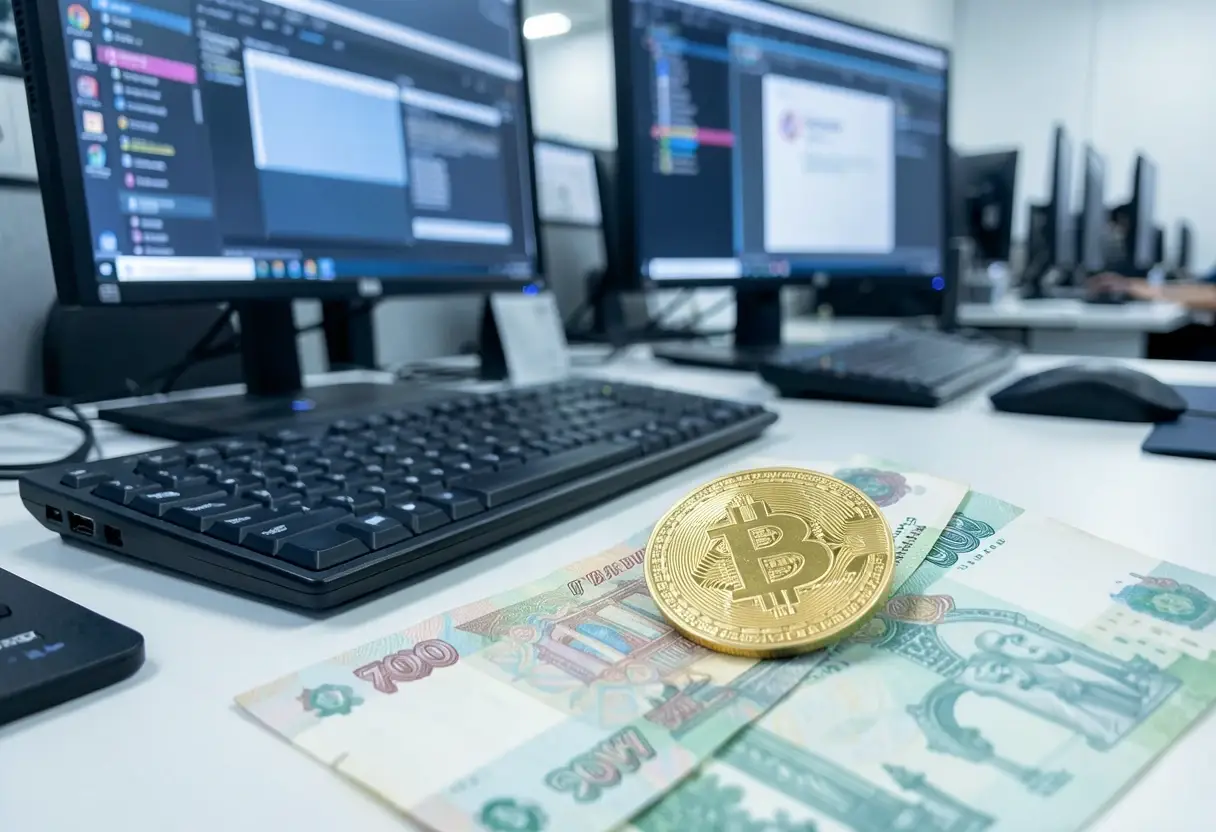
Outputs
Dec. 1: Moscow Exchange plans a Bitcoin pilot with a 300,000-ruble cap for ordinary investors.
Trades will clear through the National Clearing Centre and settle roughly every 30 to 60 minutes.
Crypto-futures turnover exceeded 600 billion rubles by mid-September after trading began in summer 2025.
USDT is specified as Ethereum-issued, but wallet ownership, Tether review and sanctions-freeze procedures remain unconfirmed.
Russia has set a July 2027 ban on direct P2P trading.
Russia's Moscow Exchange plans to open Bitcoin trading on Dec. 1 with a 300,000-ruble cap on ordinary investors' Bitcoin purchases, according to its technical specification. The exchange will clear through the National Clearing Centre and settle roughly every 30 to 60 minutes. Assets will move through accounts at a separate digital depository outside the Moscow Exchange group, which published materials do not identify.
What can investors actually buy?
Russia's framework separates crypto investment from crypto payments. A broker may convert rubles into Bitcoin for a customer, and an exporter may receive Bitcoin for goods shipped abroad under a separate cross-border provision. A Moscow restaurant, however, must still price lunch in something other than crypto; domestic merchants remain barred from accepting cryptocurrency for goods and services.
Purchases can run through brokers, asset managers and registered crypto exchange offices, including deals arranged outside an exchange's order book. Qualified investors can buy other coins without the same cap, provided they pass a test and review the risks, as ordinary investors do.
Exchanges must register the firms trading there, track orders and completed trades, calculate market prices and report activity to the central bank. Registration, surveillance and transaction reporting therefore become core operating requirements for the venues rather than optional controls.
How will trades clear and settle?
The Moscow Exchange will rely on the National Clearing Centre, infrastructure already familiar to its equity-market participants. Its technical specification describes same-day and next-day settlement, anonymous orders or negotiated deals with known counterparties, and settlement roughly every 30 to 60 minutes.
Once a trade completes, assets move through accounts at the separate digital depository, without a blockchain transaction for every match. Published materials do not confirm whether customers can withdraw holdings to personal wallets, leaving custody arrangements the least visible part of the design.
What remains unresolved for USDT?
The technical specification identifies USDT as issued on Ethereum, meaning a company outside Russia controls the underlying asset. Tether has a policy of freezing wallets tied to people or entities on US sanctions lists.
The exchange has not named the wallets that would hold the tokens, said who would supply them or described how Tether's controls would apply. No freeze connected to the proposed pilot has been verified, and the available documents do not establish whether Tether reviewed the arrangement.
Will futures activity translate into demand?
Russia already offers investors crypto-futures price exposure. By mid-September, Moscow Exchange reported more than 600 billion rubles in crypto-futures turnover since its first contracts began trading in summer 2025, and those cash-settled contracts never delivered the coins.
The December pilot would trade the assets themselves, so the futures record says little about how much Bitcoin investors will want to buy and hold through the new system. The 300,000-ruble cap gives retail flow a known size, but one large pre-arranged deal could lift a day's turnover without creating the steady stream of buyers and sellers an ordinary investor needs for a usable price.
The absence of short selling initially limits who can take the other side of those transactions. That structure could make reported turnover look stronger than the market's underlying liquidity.
How does this reshape Russian crypto trading?
Russia's December opening is narrower than the country's broader move toward registered intermediaries. The country has separately moved crypto into its anti-money-laundering system and set a July 2027 ban on direct P2P trading.
Together, those measures push activity toward brokers, asset managers and registered exchange offices rather than informal peer-to-peer channels. They also place greater reliance on exchanges to maintain records, calculate prices and report trading to the central bank.
Where did crypto markets stand before launch?
At 02:20 UTC on Nov. 22, 2026, CoinPaprika data put Bitcoin at $59,991 (₹5,560,030), up 2.4% over 24 hours and down 7.4% over seven days, with a $1.21 trillion market cap. Ethereum traded at $1,683 (₹155,991), up 4.1% on the day, while Tether was $0.9985 (₹92.54), effectively flat.
Those prices provide context, not a demand forecast for the pilot. Price predictions for a market this thin and this new are fragile, and nothing in the Russian framework guarantees demand.
What will the first test show?
The Dec. 1 pilot is the first test. Repeat trading and the ability to buy or sell near the quoted price will show whether a functioning market is forming; for USDT, the exchange and its partners also must demonstrate custody of the underlying tokens and settlement through the proposed depository while Tether's sanctions policy remains unresolved.
This is not financial advice; crypto markets remain volatile, and investors should treat early turnover cautiously before drawing conclusions about liquidity. Dec. 1 is the immediate checkpoint for repeat trading and near-quote liquidity, while the July 2027 direct P2P ban will push more activity toward registered intermediaries.
via cryptonews.net (Source)
More from Tom Whitfield
Show full bio
News editor covering technology and product news in crypto and web3 industry at Mempool Brief.
1,619 articles