0x00007fba0000…00007fbd
Sberbank to Launch Crypto Trading Services on December 1
Russia's Sberbank will start offering crypto trading on December 1, moving digital asset execution into the state banking system for the first time.
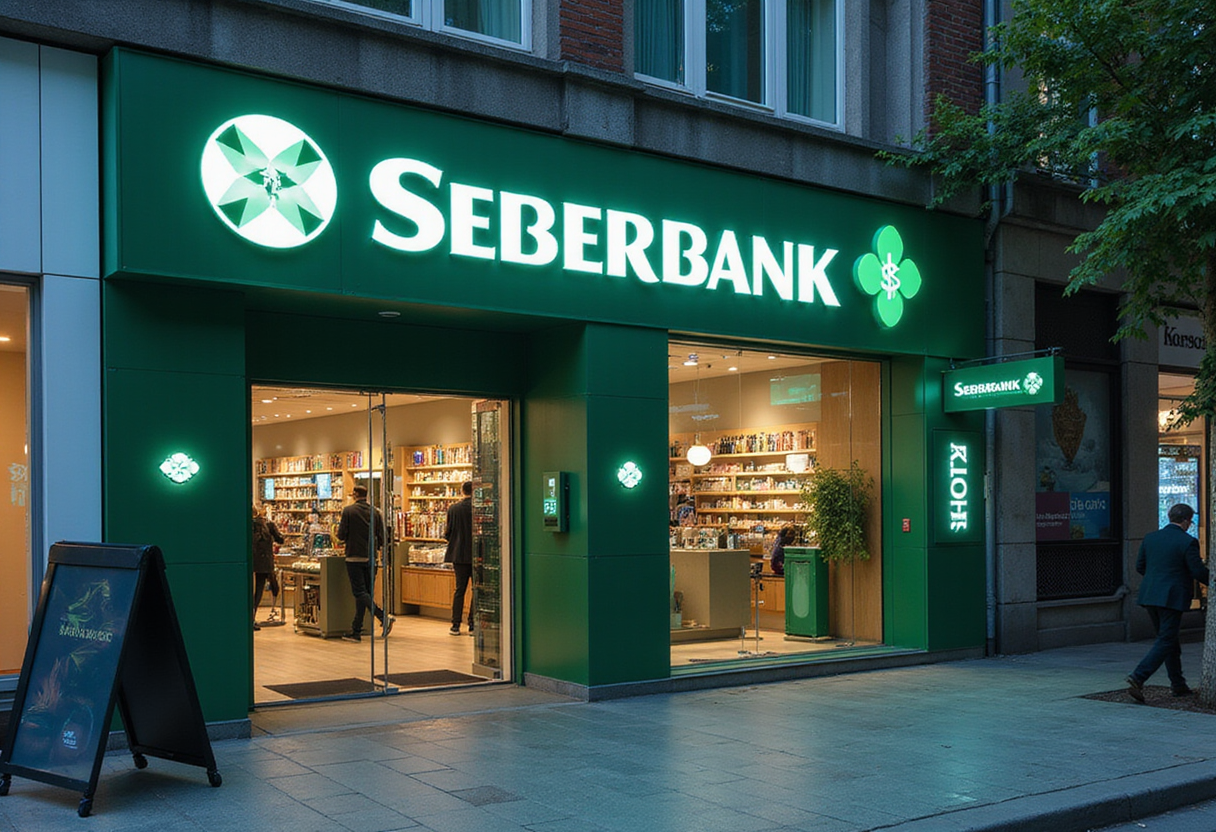
Outputs
Sberbank will launch crypto trading services on December 1
Sberbank is Russia's largest state-owned bank
The move shifts crypto trading into a regulated bank-mediated channel
Tradable assets, fees and client eligibility remain unconfirmed
Russia's Sberbank will begin offering cryptocurrency trading services on December 1, according to a report by AMBCrypto, marking the first time the country's largest state-owned lender has moved retail-facing digital asset execution into its product lineup.
The December 1 start date is the verified core of the story. Everything around it — what assets will trade, under which legal framework, and for which client segments — remains to be confirmed by Sberbank itself.
Why does a state bank entering crypto trading matter?
Sberbank is not a niche fintech. It is Russia's dominant lender, majority-owned by the state, and its decision to open crypto trading to clients signals an institutional shift rather than an experimental pilot. When a bank of that scale builds a trading desk, it brings custody infrastructure, compliance staff and a retail base measured in tens of millions of accounts.
The move also lands in a specific regulatory moment. Russian lawmakers spent 2024 and 2025 debating how to legalize cross-border crypto settlement, particularly as a workaround for trade restricted by sanctions. A state bank entering trading suggests the legal pathway is now firm enough that Sber's risk and compliance functions signed off.
What is changing for clients?
Based on the December 1 launch date, the service moves crypto from a legally gray, peer-to-peer market into a bank-mediated channel. For Russian users, that shift carries operational weight:
- Trading happens inside an existing, regulated banking relationship rather than through offshore exchanges.
- Transactions flow through accounts already tied to Russia's financial monitoring regime.
- The bank, not the user, absorbs part of the technical and custody complexity.
Which tokens will be tradable, what fees apply and whether the service covers only domestic clients or extends to corporate cross-border settlement are the open questions Sberbank will need to answer before launch.
What does this mean for the market?
The operational consequences cut in two directions. Domestically, bank-run trading could pull volume away from P2P platforms and gray-market exchanges, consolidating flow inside the regulated banking system. Internationally, it raises the prospect that sanctioned-economy settlement increasingly routes through crypto rails operated by a state bank — a dynamic that will attract attention from Western regulators and compliance desks.
For Sberbank itself, crypto trading adds a fee-generating product line at low marginal distribution cost, since the client base already exists inside its app ecosystem.
What happens on December 1?
The launch date is the anchor to watch. If Sberbank confirms the rollout on schedule, expect it to publish the tradable asset list, fee schedule and eligibility criteria in the days before. If the date slips, that would signal unresolved regulatory or technical questions behind the announcement.
via Google News - Crypto Regulation (Source)
More from Daniel Okafor
Show full bio
Correspondent covering people, launches and day-to-day practice in crypto and web3 industry at Mempool Brief.
486 articles