Senate Passes DEATH BETS Act Banning War and Death Prediction Markets
The Senate passed the DEATH BETS Act by voice vote on Nov. 19, banning CFTC-regulated prediction markets from listing contracts on war, terrorism, assassination and individual deaths.
Outputs
Senate passed the DEATH BETS Act by voice vote on November 19 with an amendment, per Congress.gov.
Bill amends the Commodity Exchange Act to ban CFTC-registered platforms from war, terrorism, assassination and death contracts.
Polymarket users were accused of insider trading after making $2.4 million on Iran-related predictions.
The CFTC proposed parallel rules in June and has sued 12 states to defend its authority over prediction markets.
The bill now heads to the House before it can reach the president.
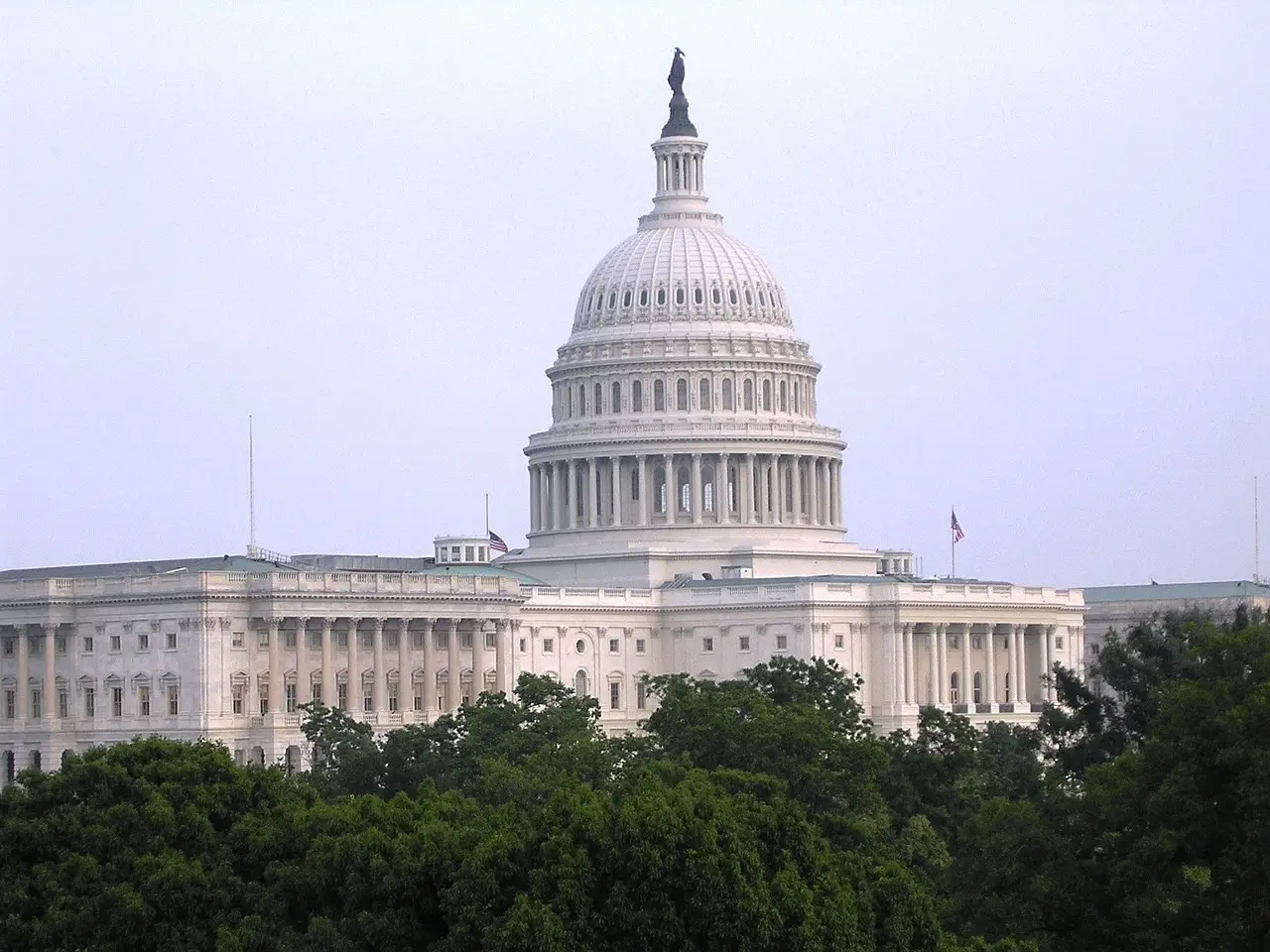
The U.S. Senate passed the DEATH BETS Act on Wednesday, November 19, moving to bar CFTC-regulated prediction markets from listing contracts on terrorism, assassination, war and individual deaths. The bill passed by voice vote with an amendment, according to Congress.gov, and now heads to the House of Representatives.
Senator Adam Schiff, a California Democrat, introduced the bill in March with Republican cosponsor Senator John Curtis of Utah. "With this bill, Congress is making it clear that these bets should be illegal," Schiff wrote on X after the vote.
What does the bill actually ban?
The legislation amends the Commodity Exchange Act to prohibit exchanges and clearinghouses registered with the Commodity Futures Trading Commission from listing or clearing event contracts that expressly reference terrorism, assassination, war or U.S. military operations. It also covers a broader category: contracts that, at the time of listing, are "reasonably expected to resolve principally based on a death of an individual."
The CFTC would gain authority to extend the prohibition to "any similar activity" through its own rulemaking. That delegation matters operationally — it lets the agency close loopholes without waiting for Congress to pass another statute.
The bill leaves other event contracts, such as those involving gaming, under existing CFTC rules.
Why did Congress move now?
Prediction markets like Kalshi and Polymarket let users trade on real-world outcomes, from elections to geopolitics, and war-related contracts have drawn sustained criticism. Lawmakers have argued the markets let people profit from tragedy and could reward insiders with knowledge of military plans.
The pressure has been building on several fronts:
- Polymarket users were accused of insider trading after making $2.4 million on Iran-related predictions.
- Polymarket pulled a market on whether a nuclear weapon would be detonated after public backlash.
- Kalshi was sued after refusing to pay out on a market tied to the death of Iran's then-Supreme Leader, Ali Khamenei.
- Senate Democrats raised concerns that people close to President Donald Trump could profit from war-related markets, and one senator alleged White House corruption over Iran war predictions.
War-themed markets have surfaced beyond the major platforms too. On Myriad, the prediction market operated by Decrypt's parent company DASTAN, users traded on whether U.S. troops would enter Iran.
What is the CFTC already doing?
The regulator has been acting in parallel. In June, the CFTC proposed rules that would ban markets on outcomes achievable through war or assassination — targeting vaguely worded contracts such as bets on when U.S. adversaries would be "out of office," a structure Kalshi and Polymarket used to sidestep existing bans on war-related contracts.
The agency is also fighting states in court. It first sued three states in April to defend its authority over prediction markets and has now taken 12 states to court, most recently Louisiana. States including New York have sued Coinbase and Gemini, arguing some event contracts amount to unlicensed gambling.
What happens next?
The bill needs House approval before it can reach the president's desk. If it becomes law, CFTC-registered platforms would face a federal mandate to delist war and death contracts outright, and the CFTC's proposed June rules suggest the agency won't wait for the House to act before tightening the market itself.
via google.com (Original)
More from Daniel Okafor
Show full bio
Correspondent covering people, launches and day-to-day practice in crypto and web3 industry at Mempool Brief.
1,770 articles