Solo Miner Wins 3.178 BTC Bitcoin Block With Avalon Nano 3S
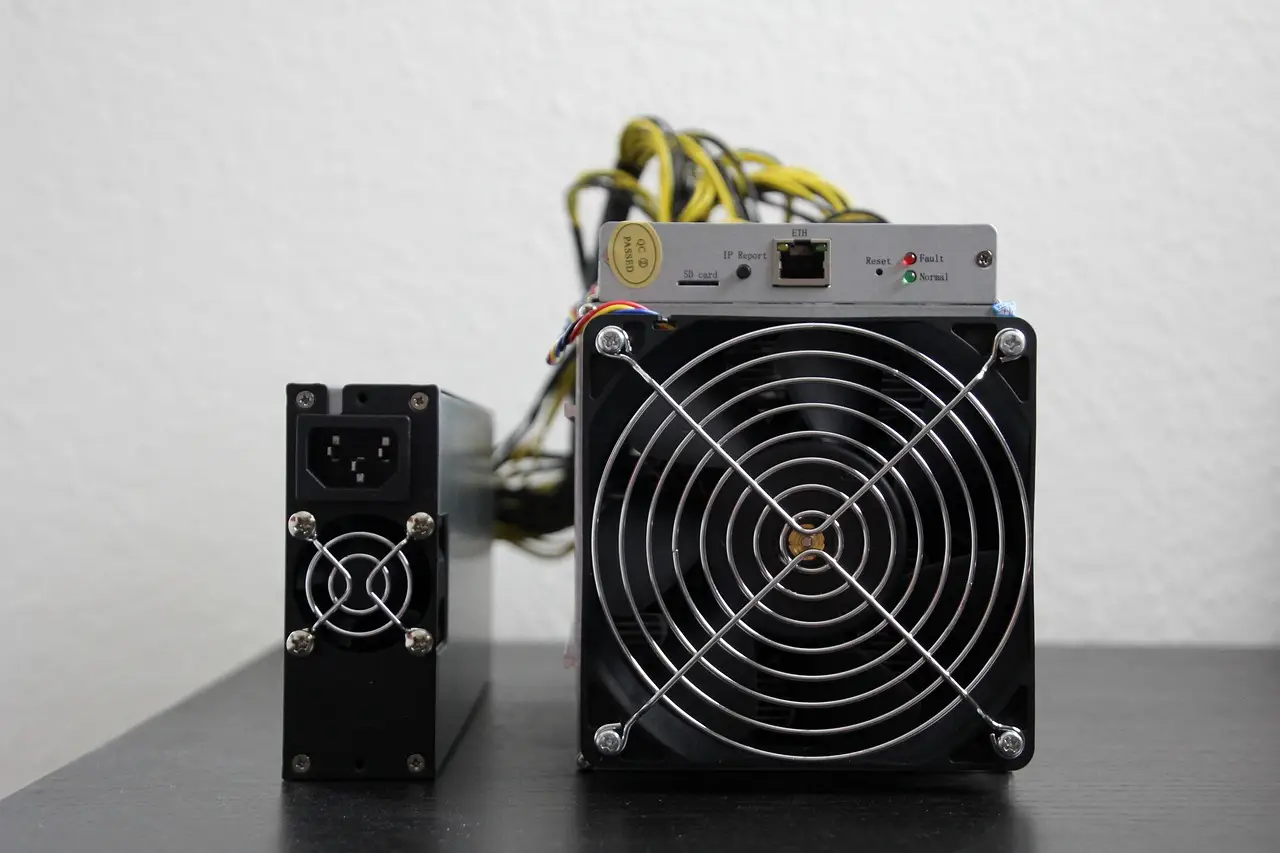
A single Canaan Avalon Nano 3S mined Bitcoin block 977,488 on November 25, 2026, earning 3.17830651 BTC despite implied solo-mining odds of roughly 1 in 3,000 years.
Outputs
November 25, 2026: A single Avalon Nano 3S mined Bitcoin block 977,488.
The block paid one address 3.17830651 BTC, worth approximately $180,000-$187,000.
The reward comprised a 3.125 BTC subsidy and 0.05330651 BTC in transaction fees.
The 6 TH/s, 140 W device faced difficulty of 134.8 trillion and implied odds of roughly 1 in 3,000 years.
May 30, 2026: Another Nano 3S won block 951771 and 3.1404 BTC, then worth about $232,000.
Bitcoin's on-chain record for block 977,488 shows a payout of 3.17830651 BTC to one address after a solo home miner operating a single Canaan Avalon Nano 3S found the block on November 25, 2026. At prevailing prices, the reward was worth approximately $180,000 to $187,000.
That payout equaled roughly 600 to 840 times the $223-$300 retail price of the miner. The ratio captures the unusual economics of home mining: one successful block can overwhelm the hardware cost, while most mining attempts produce no reward. The source estimated the device's odds at about 1 in 3,000 years.
A 6 TH/s device against a network above 1 ZH/s
The Avalon Nano 3S produces 6 TH/s of hashing power while drawing 140 watts. Bitcoin's aggregate hashrate exceeded 1 zettahash per second, and one zettahash equals one billion terahashes. The palm-sized unit therefore represented a negligible fraction of the computing capacity competing for the next block.
At the time of discovery, network difficulty stood at 134.8 trillion. The source put the chance of one Nano 3S finding a block at roughly 1 in 3,000 years, or about 100 human generations measured at 30 years each. The machine connects over Wi-Fi or Ethernet and is sold for low-noise home setups.
Bitcoin mining requires miners to test candidate solutions to a cryptographic puzzle; the first valid solution adds the next block and earns the reward. More hashing power means more attempts. A solo owner receives the full block payout when that search succeeds, rather than a proportional pool share, but receives no reward when it fails.
How the 3.178 BTC payout was built
The November block carried two revenue components. The protocol issued a 3.125 BTC subsidy, the fixed amount of newly minted Bitcoin at the current reward level, while users paid 0.05330651 BTC in transaction fees. Combined, those amounts produced the 3.17830651 BTC transfer to the winning address.
The full amount went to one address. Most small miners join pools, which combine hashpower and divide rewards proportionally. Pool members receive steadier but smaller payouts; solo miners receive nothing in ordinary periods and occasionally capture everything. The structure makes a home miner's result binary rather than predictable from expected revenue.
A second Nano 3S win in 2026
Another Avalon Nano 3S found block 951771 on May 30, 2026 and collected 3.1404 BTC, worth approximately $232,000 at the time. The two solo wins came roughly six months apart and both used the same compact model. For Canaan, the device maker, that repeat performance provides a track record that advertising alone cannot manufacture.
Rarity nevertheless defines the result. Roughly 35 solo blocks were recorded over the last year, and the source estimated that the overwhelming majority of Nano 3S owners will never find a block. The report compares the practical economics with "a lottery ticket with a power cord," rather than a dependable income stream.
What does this change for home miners?
For an individual buyer, the underwriting barely changes. A 6 TH/s, 140-watt unit still operates against more than 1 ZH/s of network hashrate and carries implied odds near 1 in 3,000 years. Its practical appeal remains the low-noise home footprint and rare upside, not a reliable monthly income.
For Canaan, the second win strengthens the case that repeated solo discoveries are possible with the Nano 3S, although two events do not establish a regular revenue stream. For the broader market, pool mining remains the more predictable structure for small operators, while solo mining preserves exposure to occasional outsized payouts.
The next market-structure signal will be whether repeat Nano 3S wins become frequent enough to make solo mining a meaningful alternative to pools. The roughly 35 solo blocks recorded over the past year still leave rare wins, not recurring income, as the defining feature.
via Crypto Briefing (Source)
More from Nathan Brooks
Show full bio
Market editor covering money, funding and market shifts around crypto and web3 industry at Mempool Brief.
1,903 articles