South Korean Lawmaker Kim Woo-young Warns of 'AI Totalitarianism'
Democratic Party lawmaker Kim Woo-young told a Seoul seminar that AI concentrates information in a single hub and proposed decentralized blockchain governance to protect citizens' data sovereignty.
Outputs
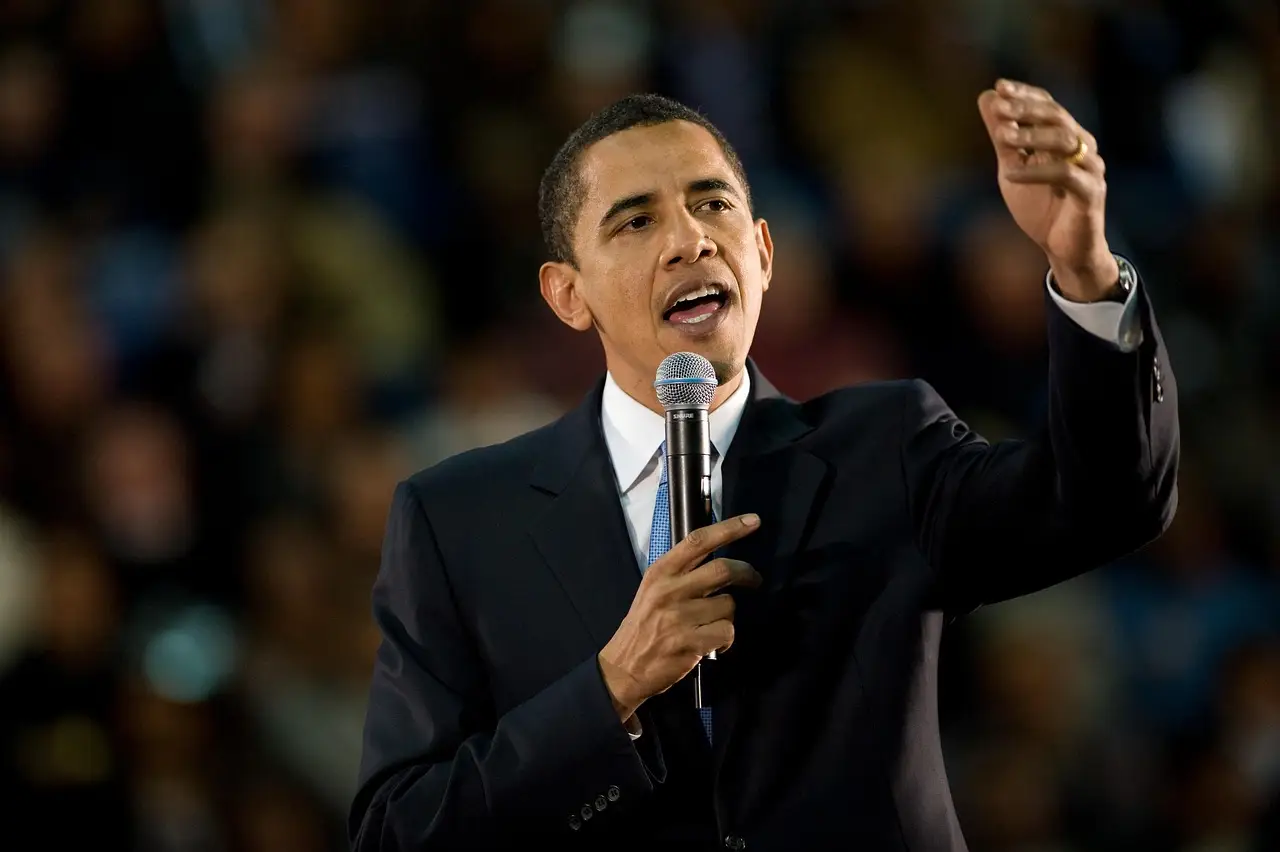
Lawmaker Kim Woo-young called for blockchain-based decentralized governance at a Seoul seminar on Nov. 20.
Ministry of Science and ICT director Park Ji-hyun said digital asset R&D projects begin in 2027.
Tokenized securities rules under the Oct. 1 proposal take effect Feb. 4, 2027.
Direct securities account managers would need 4 billion Korean won in minimum equity capital.
The Digital Asset Framework Act was targeted for parliamentary consideration in November.
South Korean lawmaker Kim Woo-young has called for blockchain-based decision-making systems to protect citizens' data sovereignty, warning that artificial intelligence is concentrating control over information in the hands of a limited number of technology companies.
Speaking at a blockchain industry seminar in Seoul on Nov. 20, Kim — a Democratic Party of Korea member who sits on the National Assembly's Science, Technology, Information, Broadcasting and Communications Committee — argued the technology should serve purposes beyond cryptocurrency trading, local outlet Digital Asset reported.
"While the global trend is aligned with AI, AI has a totalitarian nature that aggregates information and sucks all information into a single hub," Kim said in translated remarks. He proposed decentralized governance mechanisms that would let individuals participate collectively in decisions involving their data.
What did Kim propose?
Kim said citizens could gradually lose control over their information as AI integrates deeper into everyday life, and warned that increasingly autonomous AI systems could eventually exercise control over humans.
"To guarantee our survival and safety in such an AI totalitarian society, it is necessary to technically establish a decentralized decision-making structure," he said.
His remarks extend positions he took during an Oct. 23 parliamentary audit, when he urged the government to recognize blockchain as a strategic national technology and questioned the concentration of data ownership and revenue among major digital platforms.
Kim acknowledged blockchain's association with speculative trading had damaged public perception in South Korea, noting earlier comparisons between digital assets and gambling overlooked non-financial applications. He compared the current state of the industry to artificial intelligence's long stagnation before research organizations such as DeepMind revived progress.
"Blockchain is also facing a winter, but isn't there an opportunity to turn this around amidst global concerns about the fascistization of AI tech companies?" he said. He pointed to the continued popularity of Naver, South Korea's domestic internet portal, as evidence the country can sustain locally developed digital services — a foundation he believes could support Web3 services that give users more control over their data.
What did the industry and ministry say?
The seminar, organized by the Korea Blockchain Industry Promotion Association, gathered lawmakers, government officials, financial institutions and technology companies to discuss South Korea's reliance on overseas blockchain infrastructure.
Association Chairman Kim Jong-won said domestic businesses frequently run applications and customer bases built locally on foreign blockchain networks. He identified five sectors where dependence on foreign infrastructure could affect operational independence:
- Payments
- Supply chain management
- Digital identity
- International trade documentation
- Real-world asset tokenization
Kim Jong-won proposed forming a cooperative blockchain development council spanning the government, National Assembly and private sector. Park Ji-hyun, a director at the Ministry of Science and ICT, told participants that new research and development projects supporting digital asset technologies are scheduled to begin in 2027, adding that the ministry had consulted budget authorities on projects covering regulatory technology and networking infrastructure.
How does this fit South Korea's legislative pipeline?
The seminar took place as South Korea prepares its second-stage cryptocurrency legislation, expected to set additional requirements for digital asset issuance, distribution and licensing. The Financial Services Commission targeted November for parliamentary consideration of the Digital Asset Framework Act, with stablecoin regulation a central component — including bank-led issuance requirements that could give financial institutions majority ownership of consortiums issuing Korean won-backed tokens.
Separately, an Oct. 1 regulatory proposal would govern tokenized securities covering stocks, bonds and investment funds. Distributed securities ledgers would operate across at least two account management entities alongside the Korea Securities Depository, and issuers managing customer securities accounts directly would need minimum equity capital of 4 billion Korean won plus dedicated staff for account management, internal controls and IT.
The amended securities legislation is scheduled to take effect on Feb. 4, 2027, giving domestic firms a fixed runway to build the local infrastructure the industry association says the country currently lacks.
via crypto.news (Source)
More from Tom Whitfield
Show full bio
News editor covering technology and product news in crypto and web3 industry at Mempool Brief.
1,619 articles