0x22e9728b22e9…22e9728e
Tether Partners With Kazakhstan on Tenge Stablecoin Study
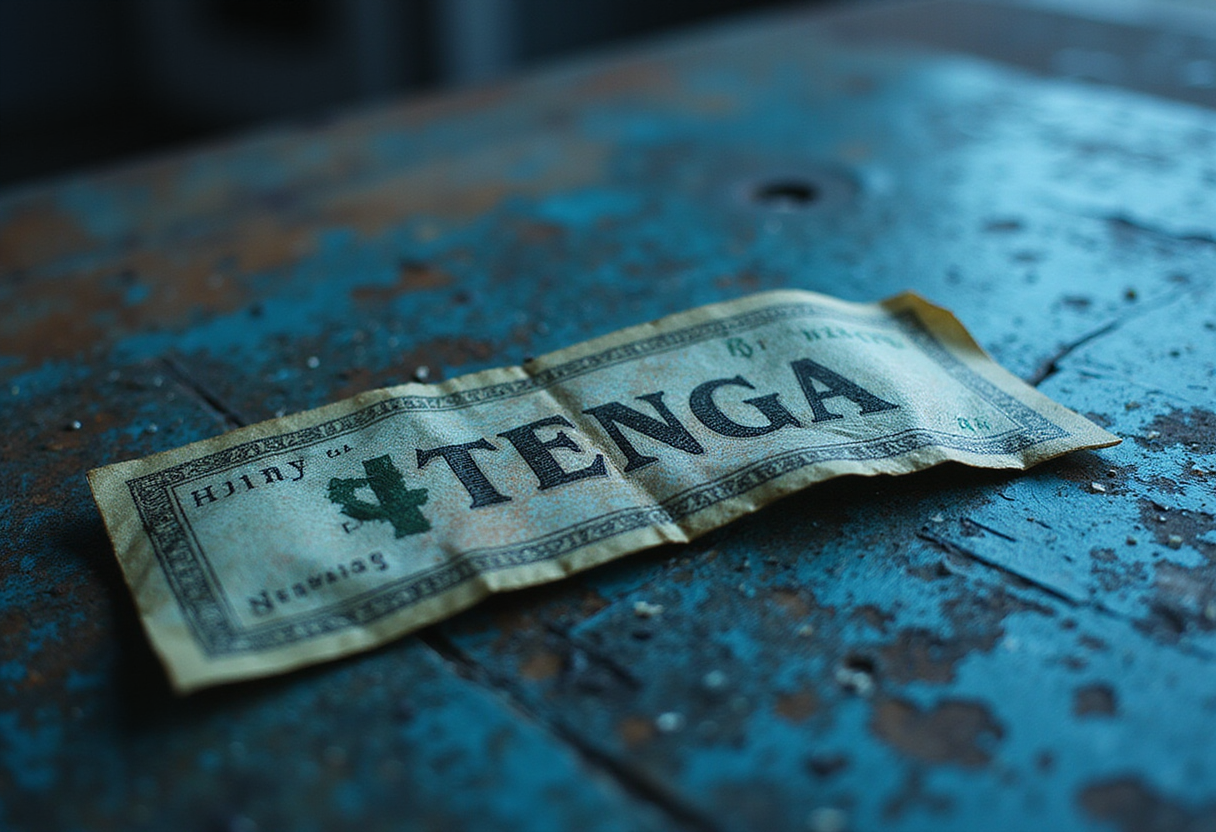
Tether has partnered with Kazakhstan to explore a tenge-backed stablecoin and pilot tokenized assets, a feasibility study rather than a product launch, with no issuance date set.
Outputs
Tether signed a partnership with Kazakhstan to explore a tenge-backed stablecoin.
The agreement also covers a pilot for tokenized assets in Kazakhstan.
The initiative is exploratory; no launch date or issuance volume was disclosed.
The report was published by Pluang, citing the partnership announcement.
Tether has signed a partnership with Kazakhstan to explore the development of a stablecoin backed by the Kazakhstani tenge and to pilot the tokenization of assets, according to a report by Pluang citing the announcement.
The agreement positions the issuer of USDT, the largest stablecoin by circulation, alongside a national government in a feasibility study rather than an immediate product launch. The stated scope covers two workstreams: assessing a fiat-backed instrument denominated in the local currency, and testing infrastructure for tokenized real-world assets within Kazakhstan's jurisdiction.
What does the partnership actually cover?
The initiative is exploratory. Tether and Kazakhstan will jointly examine whether a tenge-backed stablecoin can be issued under local regulation, and will assess the technical and compliance groundwork required for a tokenized-assets pilot. No launch date, issuance volume or banking partner was disclosed in the announcement.
For Tether, the deal extends a pattern of engaging state institutions on local-currency digital instruments and asset tokenization. For Kazakhstan, it aligns with the government's stated interest in digital-asset market structure, an area where the country has sought to formalize rules and attract infrastructure players.
A tenge-denominated stablecoin would differ materially from USDT in function. It would serve domestic settlement, banking integration and potentially government-adjacent payment rails, rather than global dollar liquidity markets. That distinction shapes the operational questions the feasibility study must address: reserve custody in local institutions, redemption mechanics under Kazakh financial regulations, and anti-money-laundering controls administered by domestic authorities.
Why does a local-currency stablecoin matter for market structure?
Issuers have increasingly pursued non-dollar stablecoins as regulators clarify frameworks for local-currency instruments. A state-endorsed feasibility study shortens the institutional path: it gives the eventual issuer a defined regulatory interlocutor, a sovereign counterpart for reserve arrangements and a pilot environment for tokenized-asset rails.
The tokenization component carries its own weight. Kazakhstan's economy is commodity-intensive, and asset-tokenization pilots in comparable jurisdictions have focused on making illiquid claims — commodities, infrastructure, real estate — divisible and transferable on-chain. The announcement did not specify which asset classes the pilot would target, leaving that determination to the exploratory phase.
Business consequences for Tether are reputational and structural rather than immediate revenue. Partnership with a national government on local-currency issuance supports diversification beyond USDT's dollar franchise, and it embeds the company in policy discussions that will determine how tokenized assets are treated in Kazakh law.
What comes next?
The parties will move through the exploration and pilot phases before any issuance decision. Watch for the publication of a regulatory framework for the tenge instrument, the naming of reserve custodians or banking partners, and any designation of the Kazakh authority that will supervise the pilot — concrete milestones that would signal whether the study converts into a live product within Kazakhstan's digital-asset timetable.
via Google News - Tokenization Real World Assets (Source)