0x440ad6cc440a…440ad6c9
Twenty-Two Issuers Now Object to Tokenized Stocks as Robinhood Reports
Twenty-two public companies, 35% of OKX-ICE's planned listings, now object to tokenized shares as Robinhood reports earnings with $13.7B in quarterly stock-token volume at stake.
Outputs
22 of 63 companies (35%) on OKX-ICE's planned listing have objected to tokenization as of October 23
Robinhood Chain generated ~$51M in debut-quarter revenue, including $13.7B in tokenized equity volume
SEC opt-out window for issuers runs 30 days, per a Wall Street Journal ad by the Common Sense Leadership Fund
Strategy halted Bitcoin buys for the first time since mid-September, spending $204.9M on STRC buybacks
Binance filed for a Brazilian license on October 23, a week before the October 30 deadline
Twenty-two public companies — 35% of the 63 issuers the OKX-ICE venue planned to list — have formally objected to having their shares tokenized, up from nine on October 15. The escalation lands hours before Robinhood reports third-quarter results after the bell, with no company more exposed to how this fight resolves.
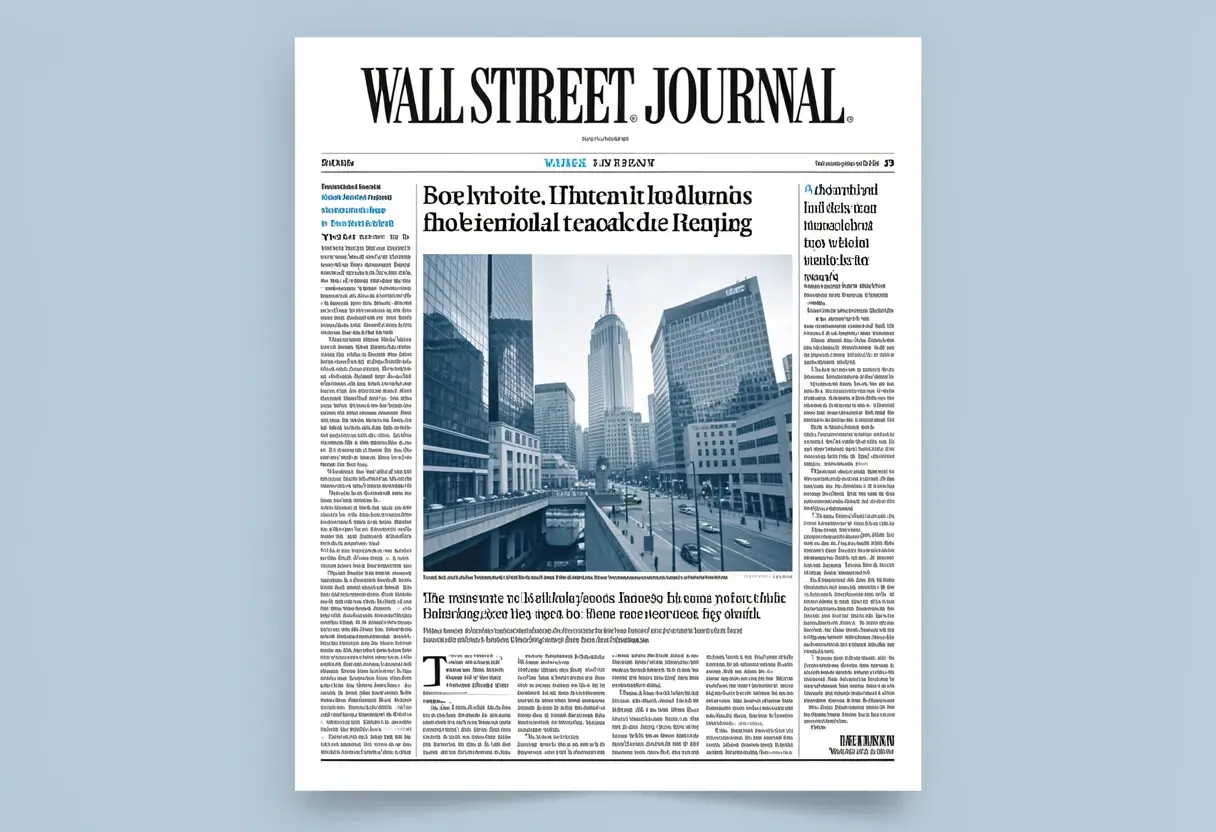
The Common Sense Leadership Fund, a conservative nonprofit, bought a full-page ad in the Wall Street Journal this weekend addressed directly to public company CEOs. "YOUR STOCK. THEIR TOKENS. YOUR PROBLEM," the ad read. It listed eight risks: pricing disparities, obscured ownership, impaired capital raising, cybertheft, market manipulation, AML and KYC loopholes, absent investor protections, and legal liability. The call to action was blunt — the SEC has given issuers a right to opt out, the window runs 30 days, and the ad called it their only chance.
How fast did issuer resistance build?
The objections scaled rapidly. Nine companies had objected by October 15. By October 19 the count reached 16, and by October 23 it stood at 22. Wells Fargo, Cisco, Marvell, Arm, Moderna and Intuit joined earlier objectors including Microsoft, Alphabet, Goldman Sachs, Verizon, Broadcom and UnitedHealth. That is a two-and-a-half-fold increase in eight days.
OKX-ICE amended its rules on October 19 to let issuers tokenize their own shares, which would hand them control of the product. Not one objector has taken the offer. The message from corporate America is unambiguous: they do not want a better version of the product, they do not want it at all.
What does this change for Robinhood?
Robinhood Chain launched its public mainnet on July 1. In its debut quarter it generated roughly $51 million in revenue — more than Ethereum's $41 million, while Ethereum's own network revenue fell 35%. The chain processed about $65 billion in DEX volume, ranking fourth among all networks.
Of that volume, $13.7 billion was tokenized equities. One fifth of everything trading on the chain, in a single quarter, from a standing start.
The exposure runs deeper than a single product line. AMC's CEO has already called Robinhood's stock tokens "contemptible," and an entire ecosystem is being built on top of them. Long.xyz pairs memecoins against tokenized NVDA and TSLA, and meme-versus-stock pairs now drive most stock-token volume on the chain. Orbio funds AI inference credits with creator fees paid in tokenized NVDA. Pull the stock tokens out, and much of that architecture has nothing to stand on.
Whether CEO Vlad Tenev addresses the tokenized stock war is the open question for tonight's call. A Monday tweet from Tenev suggests he may.
The wider circuit
Elsewhere in the market structure file, Galaxy Research declared the Bitcoin bear market over. Head of research Alex Thorn argued the June low marked the bottom on day 916 after the halving, within the 777-to-912-day range of past cycles, and noted this drawdown of roughly 53% was the shallowest on record against prior drawdowns of 77% to 93%.
The NBA signed an information-sharing agreement with the CFTC to police insider trading and fraud in prediction markets tied to basketball, joining MLB and the NHL. Binance applied for a Brazilian crypto license through its local entity BBrasil on October 23, one week ahead of the central bank's October 30 filing deadline.
Hyperliquid announced that Kraken parent Payward plans to become the first CFTC-regulated deployer on Hyperliquid, using the chain as an infrastructure layer to offer perpetual futures to U.S. clients. Its regulated exchange and clearing arm Bitnomial will own and settle the markets, with NinjaTrader Clearing carrying customer accounts.
Technical and treasury notes
Ethereum paused the Glamsterdam fork on its Hoodi testnet after auditor ChainSecurity found 13 real-world contracts that could break under EIP-8037 and EIP-8038. The gas changes mean gas already spent can come back mid-transaction. Zcash co-founder Sean Bowe proposed eliminating the 8% block subsidy funding Zcash Community Grants and redirecting it to the Network Sustainability Mechanism, arguing the committee's roughly $125 million treasury already covers years of spending against about $6 million in annual expenses.
On the treasury side, Strategy stopped buying Bitcoin for the first time since mid-September, spending $204.9 million instead to repurchase 2,068,459 shares of STRC. Bitcoin ETFs saw $110 million in net inflows on Monday; ETH ETFs saw $88 million in outflows. Tom Lee's Bitmine added 10,452 ETH, roughly $24 million, to reach 6,051,933 ETH — 4.95% of all Ethereum.
Keystone will destroy 18,835 hardware wallets after attackers stole the permanently embedded authentication key that proves a device is genuine, a breach that would let counterfeit units pass the company's own authenticity checks.
The 30-day SEC opt-out clock started this month. Issuers who stay silent now will find the tokenization question answered for them.
via google.com (Original)
More from Nathan Brooks
Show full bio
Market editor covering money, funding and market shifts around crypto and web3 industry at Mempool Brief.
652 articles