$VVV Rises 33% in a Week as Venice Tops $200M Run Rate
$VVV rose about 33% in the week to Nov. 25, from $21.00 to $27.91, as Venice's 10% agent fee burned tokens and annualized revenue passed $200 million.
Outputs
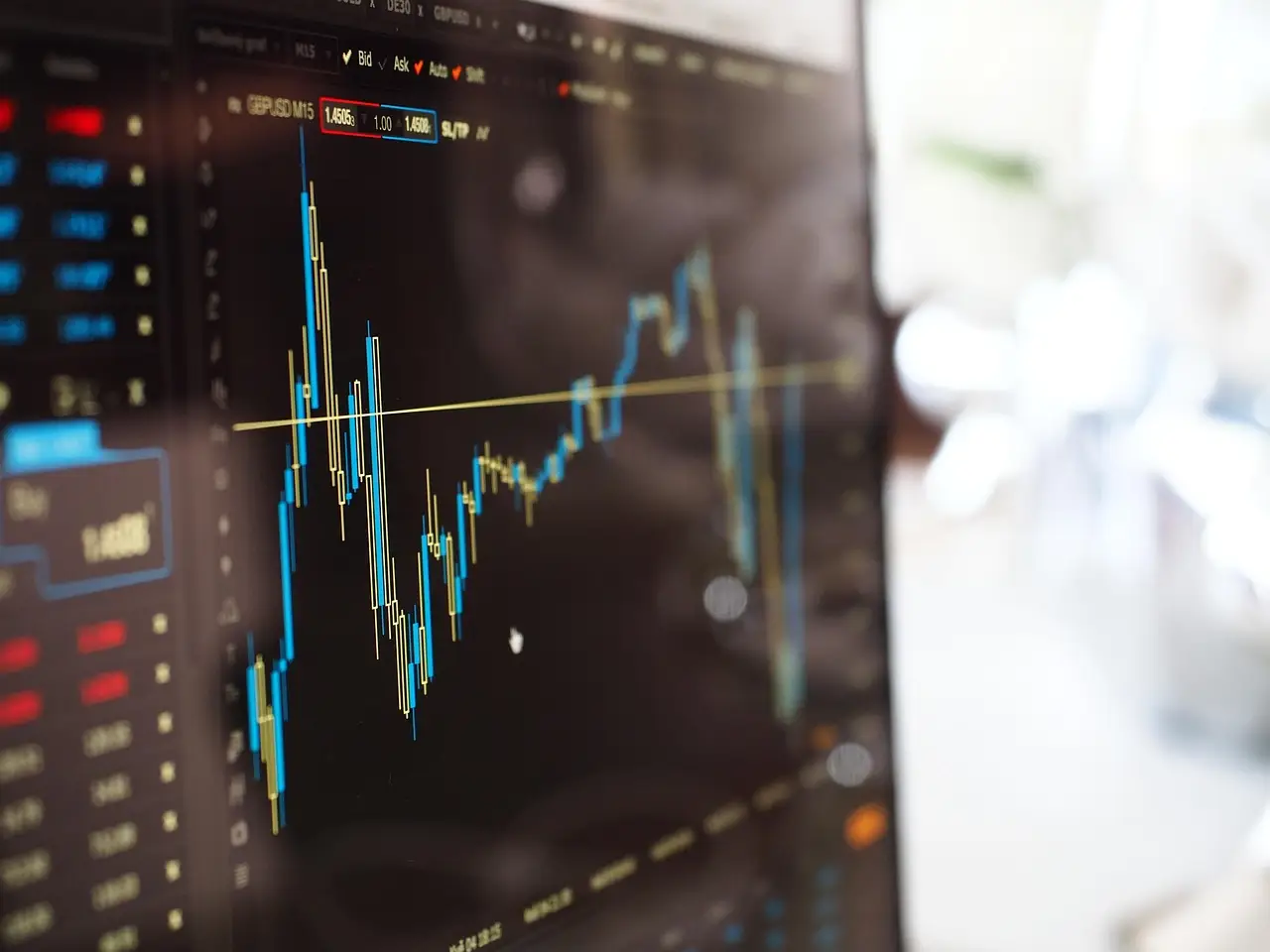
$VVV rose about 33% in the week to Nov. 25, from $21.00 on Nov. 18 to $27.91 on Nov. 25, per The Defiant's calculations using CoinGecko data
Bitcoin fell roughly 3.4% and Bittensor's $TAO fell 4% over nearly identical windows; $VVV's 30-day gain was about 11.5%
Voorhees said late on Nov. 23 that Venice crossed $200 million in annualized revenue, up from a $100 million annualized figure announced Aug. 17
Venice said on Nov. 9 it executed a discretionary $458,000 burn, its largest to date; CoinGecko put circulating market cap at about $1.37 billion
Minds launched Nov. 17: creators keep 90% of usage margin as credits and the 10% platform fee buys and burns $VVV; a second route burns tokens sent to an address on Base
$VVV gained about 33% in the week to Nov. 25, rising from $21.00 at 4 p.m. ET on Nov. 18 to $27.91 at 4:06 p.m. ET on Nov. 25, according to The Defiant's calculations using CoinGecko data, while Bitcoin fell roughly 3.4% and Bittensor's $TAO dropped 4% over nearly identical windows. The move left the token of Erik Voorhees' Venice AI platform up roughly 11.5% over 30 days, but still about 19% below its CoinGecko-reported all-time high of $34.53, set on Sept. 21.
CoinGecko put $VVV's circulating market capitalization at about $1.37 billion in a snapshot updated shortly after 4 p.m. ET on Nov. 25, a valuation set at roughly seven times the $200 million annualized revenue run rate that Voorhees reported late on Nov. 23. That figure came two weeks after he announced a $100 million annualized run rate on Aug. 17. Both numbers represent the founder's reported run rates rather than full-year revenue totals; spread across a year, $200 million works out to about $16.7 million a month.
The rally rests on a supply mechanism rather than on sentiment alone. Venice links activity on its platform to purchases of $VVV that are burned, permanently removing tokens from supply. The price data do not establish that revenue growth or burns caused the move, and the token has traded below its record since Sept. 21.
How do the two burn routes work?
Venice introduced Minds on Nov. 17, letting users build task-specific AI agents and publish them in the Mind Market. Venice says creators can add a margin to usage and keep 90% of that margin as credits, while the remaining 10% platform fee buys and burns $VVV.
A second mechanism lets users burn tokens to boost a Mind's ranking. Users can send $VVV or another supported token on Base to a burn address, and Venice says other tokens are swapped into $VVV before burning. Venice's token dashboard dates ongoing revenue-funded purchases and burns to December 2025. The same dashboard describes $VVV staking for rewards and the ability to mint DIEM, a separate token providing daily AI credits. These routes extend an existing model rather than introduce revenue-funded buybacks from scratch.
What does this change for holders and for Venice users?
For holders, the change is that supply reduction now carries a stated formula attached to product use — 10% of agent margins — instead of resting only on discretionary burns. Venice said on Nov. 9 that it had executed a discretionary burn worth $458,000 at the time, calling it its "largest to date." That announcement preceded the measured rally, but the one-off purchase is small next to the revenue run rate: $458,000 equals about 0.2% of the $200 million annualized figure and roughly one-thirtieth of one percent of circulating market cap. The structural fee flow, not the discretionary trade, is what practitioners should size.
For Venice users, the change is control over agent economics and distribution. Creators retain 90% of the margin they set, the residual fee routes into token purchases, and ranking can be bought with burnable value settled on Base. Staking rewards and DIEM minting add two demand channels that sit outside the burn flow entirely.
Two constraints bound the interpretation. The run rate is founder-reported, and the step from a $100 million to a $200 million annualized figure does not itself describe audited revenue. And the price series shows correlation, not causation: the same week produced a 33% token gain against a 3.4% Bitcoin decline, without data identifying how much came from burns, disclosure or broader crypto beta.
What to watch
The next dated checkpoint is the December 2025 window that Venice's token dashboard attaches to revenue-funded purchases and burns; until on-chain records show the 10% fee converting into $VVV buys and burned balances declining, the link between a $200 million run rate and a shrinking float remains a company-reported claim rather than a verifiable supply change.
via cryptonews.net (Source)
More from Nathan Brooks
Show full bio
Market editor covering money, funding and market shifts around crypto and web3 industry at Mempool Brief.
1,906 articles