World Liberty Financial's WLFI Drops 57% to Record Low After Binance Selloff
WLFI fell 56.87% in 24 hours to a record low of $0.01512 after heavy Binance spot selling and $19.92 million in futures liquidations; USD1 briefly dropped to $0.94 before recovering.
Outputs
WLFI fell 56.87% in 24 hours to $0.01512 on November 29, breaking its previous record low of $0.0158.
The drop began on Binance spot on November 28: about 39% in roughly 15 minutes, from $0.0345 to $0.0211.
$19.92 million in WLFI futures were liquidated; longs accounted for $17.14 million, or 86%.
World Liberty Financial sold about $20 million of Ether-related assets to repay part of a $75 million Dolomite loan.
USD1 briefly fell to $0.94 on Binance before recovering to around $0.997 within two hours.
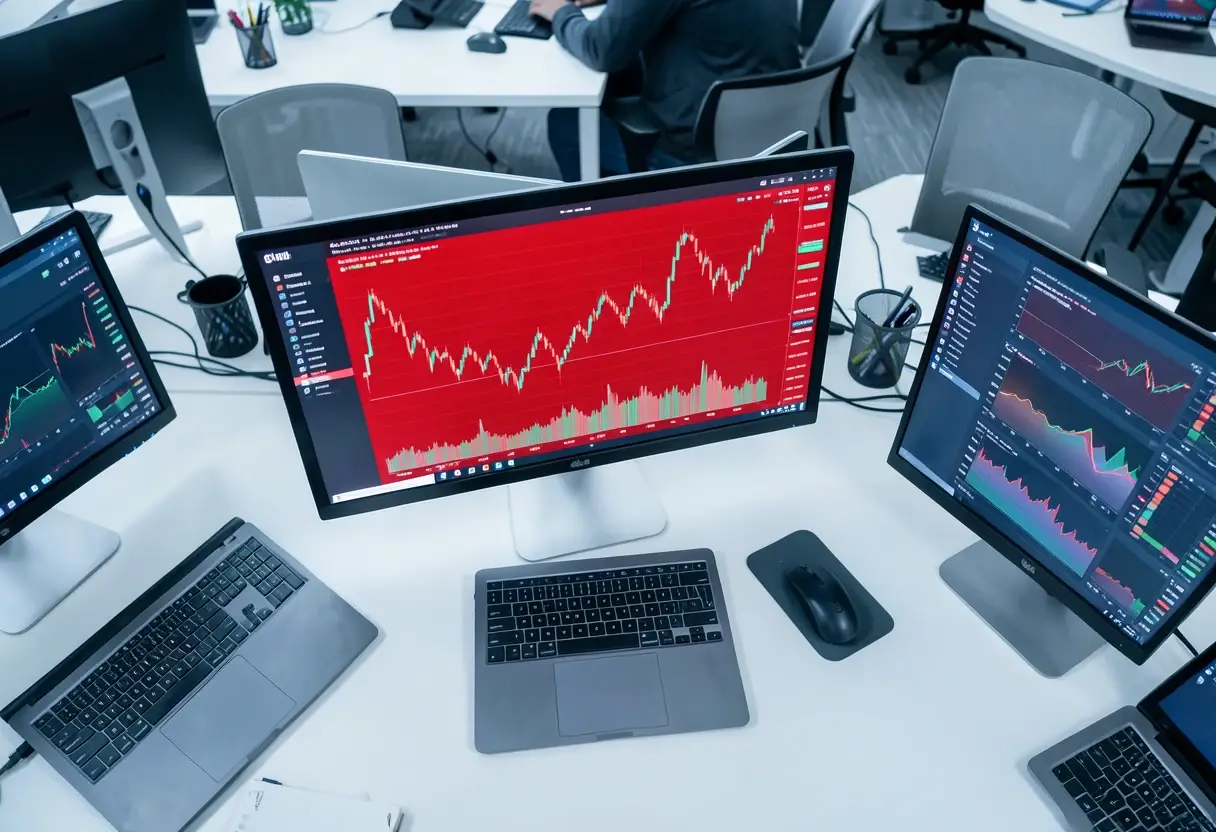
WLFI, the token issued by World Liberty Financial, the crypto venture involving US President Donald Trump's family, fell 56.87% in 24 hours to a record low of $0.01512 as of 9:50 a.m. South Korea time on November 29, according to CoinGlass data. The collapse accelerated after heavy selling hit Binance's spot market and forced the liquidation of $19.92 million in WLFI futures positions. The session low of $0.01487 broke the prior record low of $0.0158, set only a day earlier.
The initial break came on Binance's spot market. On November 28, WLFI dropped roughly 39% in about 15 minutes, sliding from $0.0345 to $0.0211. No immediate trigger for the sell orders has been identified, and that gap matters: a rout of this scale without an identified cause leaves open questions about market depth and the token's effective liquidity. In simpler terms, the market could not absorb the selling without a collapse in price.
On Upbit's Korean won market, WLFI traded at 20.8 won and touched as low as 20.4 won. The Korean venue therefore mirrored, rather than amplified, the offshore decline.
What did the liquidations and auto-deleveraging do?
Of the $19.92 million in liquidated futures positions, long positions accounted for $17.14 million, or 86% of the total. Traders who had bet on a price rise bore nearly nine dollars of every ten dollars in losses.
Binance also automatically closed some profitable short positions during the decline. The exchange triggered auto-deleveraging, or ADL, a mechanism that reduces positions on the opposite side of a trade when margin and the insurance fund cannot absorb liquidation losses. The activation of ADL is itself a signal: it indicates the insurance buffer was insufficient for the magnitude of the crash.
World Liberty Financial said it was not involved in the unwinding of futures positions. Binance said it is reviewing market trading and order-execution data. Neither statement addresses what initiated the spot selling.
How does the Dolomite loan fit in?
Before the plunge, World Liberty Financial had been unwinding a borrowing position on Dolomite, a decentralized lending platform. In April, the company borrowed $75 million in stablecoins against roughly 5 billion WLFI tokens as collateral. In this latest move, it sold about $20 million of Ether-related assets to repay part of the loan and posted additional WLFI as collateral.
That sequence invites scrutiny. The company raised $75 million against its own token, then sold Ether, its more liquid asset, to service the debt while adding more of its own illiquid token as collateral. The pattern reduces external debt but concentrates the lender's exposure in an asset now at a record low.
Did the selloff hit the USD1 stablecoin?
The shock spread to USD1, the dollar-pegged stablecoin issued by the same company. USD1 briefly fell to $0.94 on Binance before recovering to around $0.997 about two hours later, a six-cent break in a peg that holders treat as a one-dollar instrument.
World Liberty Financial said the Dolomite loan did not affect the reserve assets backing USD1. The company has not published the composition of those reserves as part of this statement, so the claim of full separation rests on its own assertion rather than an independent attestation. The two-hour recovery suggests the break reflected market stress rather than a reserve shortfall, but the episode shows the peg is not immune to contagion from the parent token.
The company now faces a reinforced credibility test: its flagship token sits at a record low, its stablecoin has broken its peg, however briefly, and the cause of the Binance selloff remains unidentified while the exchange reviews its trading and order-execution data.
via en.bloomingbit.io (Source)
Filed underWlfiBinanceUsd1DolomiteLiquidations
More from Elena Vasquez
Show full bio
Staff writer covering regulation, policy and their impact on crypto and web3 industry at Mempool Brief.
1,999 articles