0x27d8fc9a27d8…27d8fc97
64,000 Bitcoin Mining Rigs Redirected to OCEAN Pool in Security Breach
A security incident redirected roughly 64,000 Bitcoin mining rigs and 13 EH/s to OCEAN pool. The attacker mined no blocks and received no payout, but miners' losses are permanent.
Outputs
About 64,000 Bitcoin mining rigs had hashrate diverted to OCEAN pool, roughly 13 EH/s
The attacker mined no blocks and the single payout address received no payment
OCEAN's hashrate briefly hit ~50 EH/s, then stabilized near 40 EH/s; diverted capacity fell to ~100 PH/s
CoreX Hosting discovered unauthorized pool-setting changes and notified operators
Affected miners' lost earnings cannot be recovered
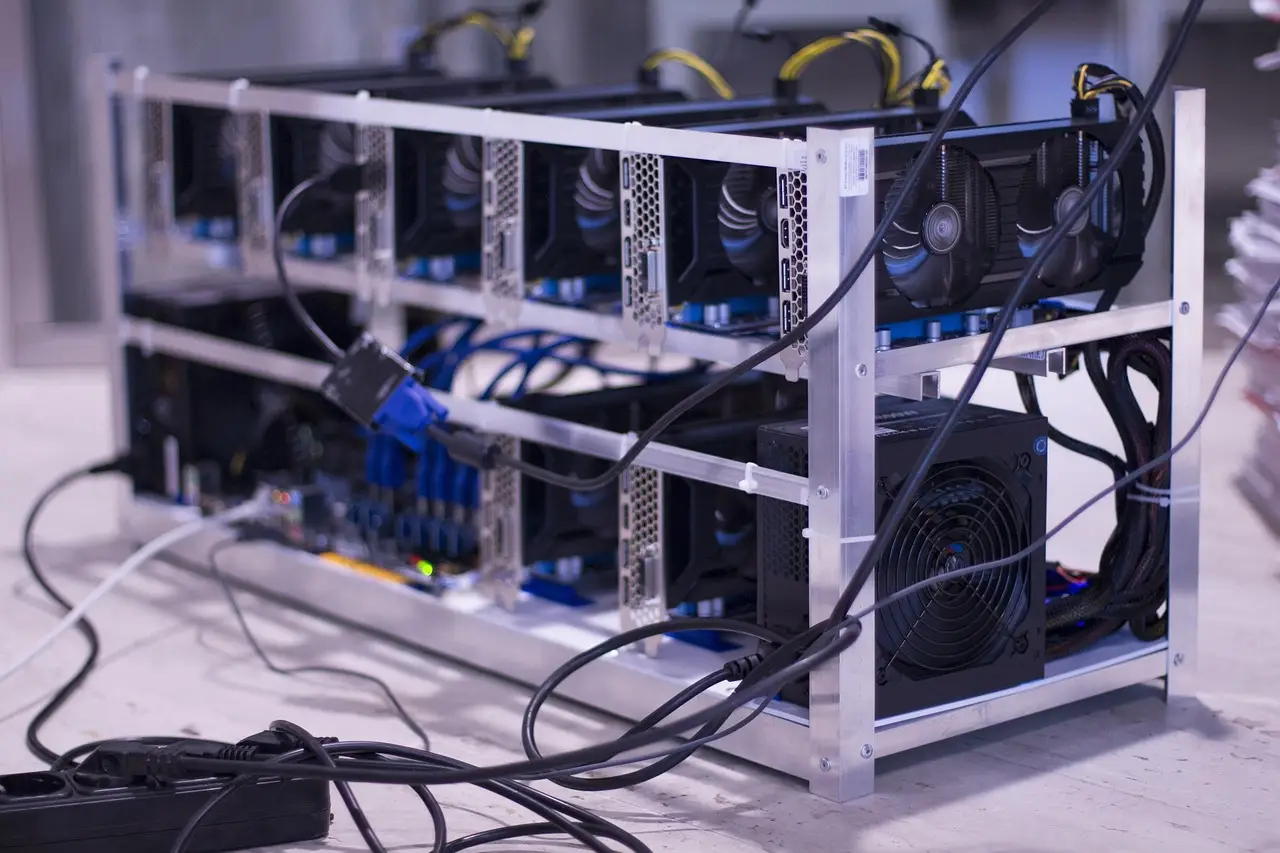
Approximately 64,000 Bitcoin mining machines had their hashrate diverted to the OCEAN mining pool following a security incident that altered pool settings on affected rigs, redirecting roughly 13 exahashes per second (EH/s) of computing power. Bitcoin's protocol and consensus rules remained untouched throughout, according to reports of the incident. The scale is material: 13 EH/s represents more than 1% of Bitcoin's total network hashrate at recent levels, meaning a single actor briefly commanded resources comparable to a mid-tier mining operator.
How did the diversion work?
The attack did not exploit Bitcoin itself. Instead, it targeted the configuration layer of mining hardware. Pool settings on a rig determine where its computational work is submitted and where any rewards are paid; an attacker who can modify those settings can redirect labor and payout without touching Bitcoin's transaction validation or block consensus. In this case, all diverted mining output flowed to a single payout address controlled by the attacker, according to on-chain and incident reporting.
That single-address design is a weakness as well as a strength. Because every diverted rig pointed to one destination, the redirection was conspicuous once noticed. It also meant there was no fragmentation of stolen output across multiple wallets to trace.
CoreX Hosting, a mining infrastructure provider, first notified operators after discovering unauthorized changes to pool settings on affected machines. The disruption effectively took one operator's entire mining business offline for the duration of the incident. Whether the unauthorized access came through compromised credentials, a supply-chain weakness in fleet management software, or insider access has not been disclosed; the absence of that detail matters for assessing whether other hosting providers face the same exposure.
What was the financial damage?
The attacker's haul was zero. The diversion produced no mined blocks, and the attacker-controlled payout address received no payment, according to reports. For affected miners, however, the outcome is less forgiving: their lost earnings during the redirection cannot be recovered. There is no insurance mechanism or rollback path in Bitcoin's design for work submitted to a pool that never pays out.
To frame the loss: at the incident's scale, 13 EH/s operating for even a few hours would have earned meaningful block-reward share — revenue that simply evaporated for the machine owners. The economics of hosting arrangements, in which operators pay for power and hardware while trusting a provider with configuration control, are what made the single-point failure possible.
What happens to OCEAN's pool metrics?
OCEAN's displayed hashrate briefly rose to approximately 50 EH/s during the incident and later stabilized near 40 EH/s, while the redirected capacity itself dwindled to roughly 100 petahashes per second (PH/s) — about 0.8% of the original diverted volume. Most affected machines were either pointed back to their legitimate pools or disconnected within a short time.
OCEAN itself was not the perpetrator; its pool simply received the redirected work. Still, the episode illustrates how pool-level hashrate statistics can be distorted by events upstream of the pool operator, which matters for anyone using those figures to gauge market concentration or operator health. Pool metrics reflect where work is submitted, not who owns the machines doing it.
The verified takeaway: an attacker redirected 13 EH/s, mined nothing, earned nothing, and the affected miners absorbed an unrecoverable loss. Expect hosting providers and fleet operators to scrutinize pool-configuration access controls in the coming weeks, since the same redirect vector remains available wherever administrative credentials are not hardened.
via tokenpost.com (Source)
More from Elena Vasquez
Show full bio
Staff writer covering regulation, policy and their impact on crypto and web3 industry at Mempool Brief.
1,204 articles