0x393cd78d393c…393cd790
Boston Fed's Collins Defends Rate Hikes as Bitcoin Slides Under $70,000
Boston Fed President Susan Collins defended higher rates as necessary for price stability, as Bitcoin ETF outflows hit $299.9 million and BTC slid below $70,000.
Outputs
Boston Fed President Susan Collins said on November 13 that higher rates are sometimes needed to ensure price stability.
US spot Bitcoin ETFs saw $299.9 million in net outflows on November 11, extending a five-day streak to roughly $1.44 billion.
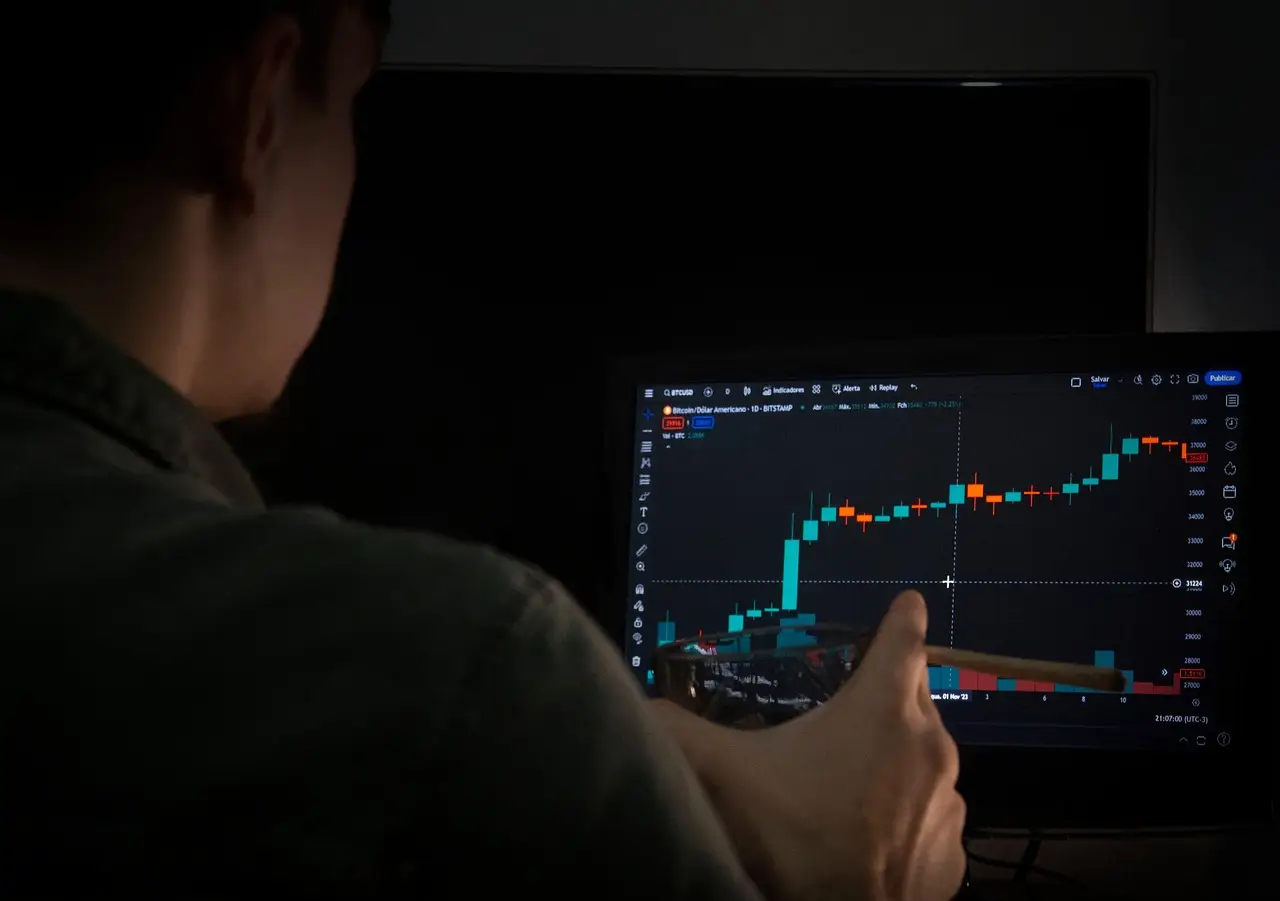
Bitcoin traded near $69,300 on November 13 after falling below $70,000.
Polymarket traders assigned an 85% probability to a quarter-point hike at the Fed's December 9 meeting.
Deutsche Bank forecasts three consecutive hikes taking the funds rate to 4.50%–4.75%.
Boston Federal Reserve President Susan Collins said on November 13 that higher interest rates remain sometimes necessary to control inflation, even as tighter monetary policy makes housing more expensive — remarks that landed on a crypto market already under sustained institutional withdrawal.
Speaking at the Boston Fed's 70th Economic Conference, Collins acknowledged the trade-off directly. "In the near term, the higher interest rates sometimes needed to cool the economy and keep inflation in check can make homes more expensive to buy and to build," she said. Her position was unambiguous on the policy question: "Tighter policy is needed at times to ensure price stability."
The comments carry weight for digital-asset practitioners because they reinforce the probability of continued monetary tightening — the single variable most consistently correlated with crypto demand among institutional allocators.
What does this change for crypto markets?
The immediate pressure is already visible in flow data. US spot Bitcoin ETFs recorded $299.9 million in net withdrawals on November 11, with BlackRock's IBIT accounting for $269.73 million of that total. The session extended outflows to roughly $1.44 billion across five consecutive trading days — an average of nearly $290 million leaving the vehicles each session. Ethereum ETFs lost a further $144.81 million that day.
Price action has followed the flows. Bitcoin fell below $70,000 on November 13, trading near $69,300, while Ethereum slipped toward $1,950. Technology equities showed parallel weakness, confirming that the move reflects a broad risk-asset repricing rather than a crypto-specific shock.
The mechanics are straightforward. Higher policy rates raise yields on Treasuries and other interest-bearing instruments, which reduces the relative appeal of assets like Bitcoin that generate no fixed income. For allocators comparing a risk-free return against zero-yield digital assets, every additional hike tightens that comparison.
Why the December decision matters now
Expectations for further tightening hardened after the latest US inflation report. Consumer prices rose 0.4% in October, exceeding the 0.3% forecast, while core inflation — excluding food and energy — rose 0.3% against expectations of 0.2%. Bitcoin had already fallen below $74,000 on November 10 in response.
Polymarket traders on November 10 assigned an 85% probability to a quarter-point increase at the Fed's December meeting, with a further 12.7% probability on a larger move. Deutsche Bank has forecast three consecutive quarter-point hikes in December, January and March, which would lift the federal funds target range to 4.50%–4.75%.
Collins's speech did not soften that picture. She argued that stable prices create more predictable economic conditions over the longer term, ultimately benefiting the housing market even when tighter policy constrains construction investment and mortgage demand in the interim.
The housing channel Collins described
Collins grounded her argument in regional labor-market data. She noted that the post-pandemic surge in home prices, combined with higher mortgage rates since early 2022, has pushed homeownership beyond the reach of many Americans. Employers across New England have struggled to recruit workers as a result.
She cited specific cases: physicians, mechanics, scientists and hospitality workers who withdrew from job opportunities because they could not find affordable housing. Construction activity has slowed in parallel, with some projects stalling on shortages of skilled labor. Monetary policy has an outsized influence on this sector, Collins explained, because both construction investment and mortgage demand are highly sensitive to interest rates.
For crypto market participants, the practical calendar is now fixed. The Fed's next rate decision is scheduled for December 9. The minutes of the October policy meeting arrive on November 18, followed by the October personal consumption expenditures inflation report on November 25. Each release offers a fresh test of whether the tightening path Deutsche Bank projects — and Collins's framing supports — remains intact.
via crypto.news (Source)
More from Nathan Brooks
Show full bio
Market editor covering money, funding and market shifts around crypto and web3 industry at Mempool Brief.
1,164 articles