Central Banks Repatriate Gold as Digital-Asset Review Widens
OMFIF's survey of 74 central banks finds 7% considering digital assets and 13% planning larger allocations, while the Dutch and French central banks move 86 and 129 metric tons of gold home.
Outputs
OMFIF's survey of 74 central banks found 7% considering digital-asset investment and 1% already investing.
13% planned to increase digital-asset allocations over the next decade, up from 10% the prior year.
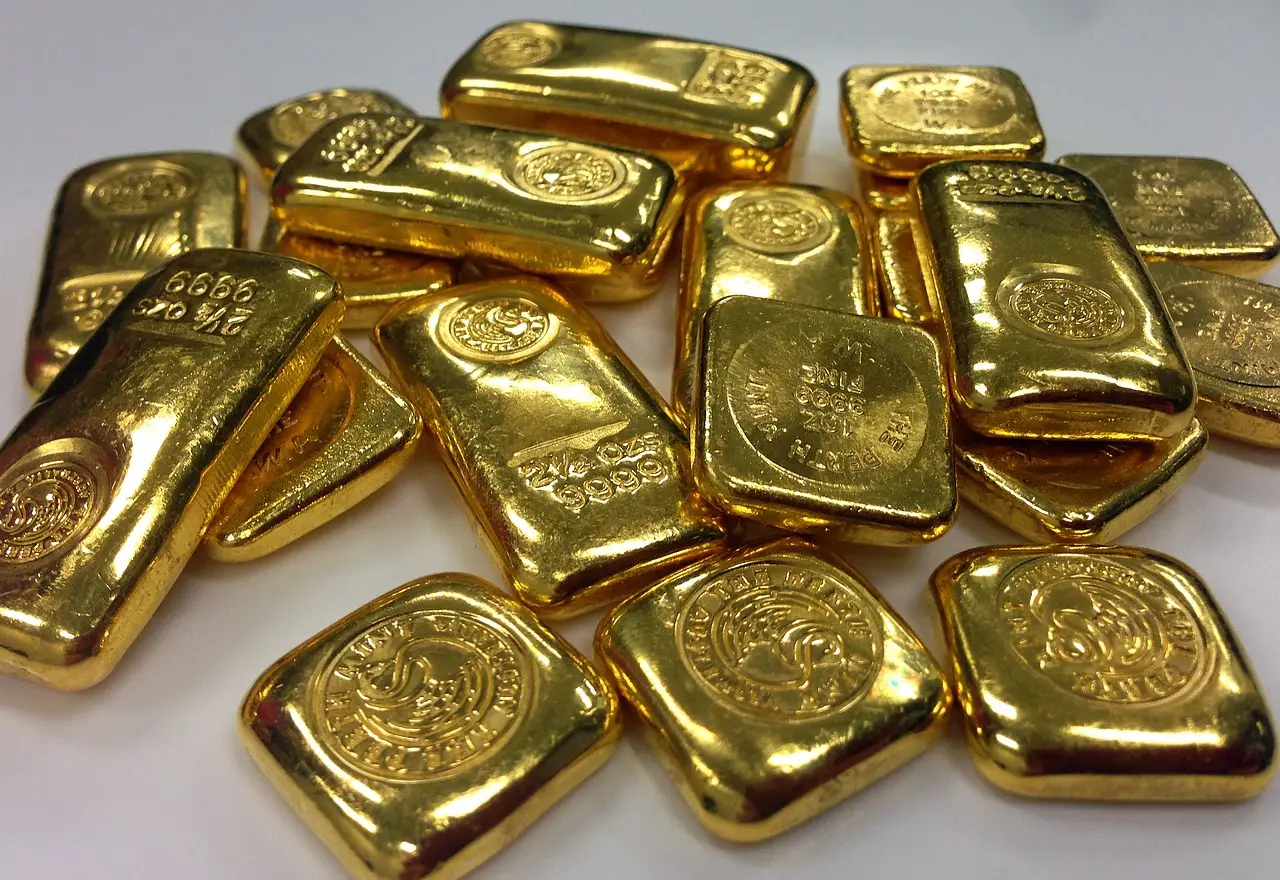
The Dutch central bank moved 86 metric tons of gold, while the French central bank moved 129 metric tons.
The Czech National Bank created a $1 million test portfolio of Bitcoin, U.S. dollar stablecoins and tokenized deposits.
Kazakhstan said in March it would create a virtual-asset-related portfolio of up to $350 million from gold and foreign-exchange reserves.
By Elena Vasquez
The National Bank of Kazakhstan said in March it would create a virtual-asset-related portfolio of up to $350 million, using part of its gold and foreign-exchange reserves, according to an OMFIF report described by Bitcoin.com on November 21.
The report links that reassessment to the 2022 freeze of Russia's foreign-exchange reserves, which showed that ownership does not guarantee access. One European central bank described the dollar as "not a neutral asset but one that falls within the category of geopolitical risk."
OMFIF, the London-based central banking and financial policy forum, surveyed 74 central banks during the report year:
- 7% said they were considering digital-asset investment.
- 1% said they were already investing.
- 13% planned to increase allocations over the next decade, up from 10% the prior year.
The figures mark exploration rather than broad deployment: the 13% concerns stated plans over ten years, not capital already committed.
Why are central banks bringing gold home?
OMFIF based its findings on four meetings held during the report year. Its premise was operational: reserve assets must remain accessible when governments need them, not merely appear on a central bank's balance sheet.
The reported transfers are substantial:
- The Dutch central bank moved 86 metric tons of gold from New York and Canada to London and domestic vaults.
- The French central bank transferred 129 metric tons from New York to Paris.
The report documents relocation, not a stated change in strategic allocation. The immediate consequence is greater sovereign control over gold custody and access.
Why has tokenized gold remained outside reserve portfolios?
One European central bank said gold must be "an asset that can be directly owned and accessed." It warned that access to tokenized gold could be blocked because the token depends on an issuer or operator.
None of the 74 surveyed central banks held or used tokenized gold. Tokenized gold therefore remained outside the surveyed reserve system.
What do the digital-asset pilots contain?
The Czech National Bank established a $1 million test portfolio in November of the prior year. It combined Bitcoin, U.S. dollar stablecoins and tokenized deposits.
The National Bank of Kazakhstan announced in March that it would create a virtual-asset-related portfolio of as much as $350 million. Unlike the explicitly labeled Czech test, the Kazakh program links digital assets directly to part of the central bank's gold and foreign-exchange reserves.
The report does not disclose asset weights, execution dates or custody arrangements for either program. A program ceiling does not establish the pace of purchases or the operational safeguards behind them.
The two initiatives demonstrate bounded experimentation, not a survey-wide conversion of reserves into digital assets.
Why is Bitcoin not yet a reserve asset?
Interest in digital assets does not mean central banks are ready to adopt Bitcoin as a reserve asset. OMFIF cited Bitcoin's reliance on online infrastructure and its exposure to cyberattack risk as material limitations.
During the report year's Strait of Hormuz crisis, both Bitcoin and gold fell. That episode did not establish either asset as a dependable crisis hedge and left central bankers with an unresolved operational question about preserving value under severe stress.
The report supports a narrower conclusion than either adoption or rejection: Bitcoin remains under examination, while its reserve function remains unproven. Over the next decade, the decisive market-structure change will be whether the 7% considering investment and 13% planning larger allocations can move beyond pilots without losing operational access.
via en.bloomingbit.io (Source)
More from Elena Vasquez
Show full bio
Staff writer covering regulation, policy and their impact on crypto and web3 industry at Mempool Brief.
1,765 articles