9ffdddc3-7
Cypherpunk buys 3,775 ZEC as mining yields $2.6M operating profit
Cypherpunk mined 8,967 ZEC in 44 days, generated $2.6 million in quarterly operating income and resumed ZEC purchases, lifting its treasury above 341,858 tokens.
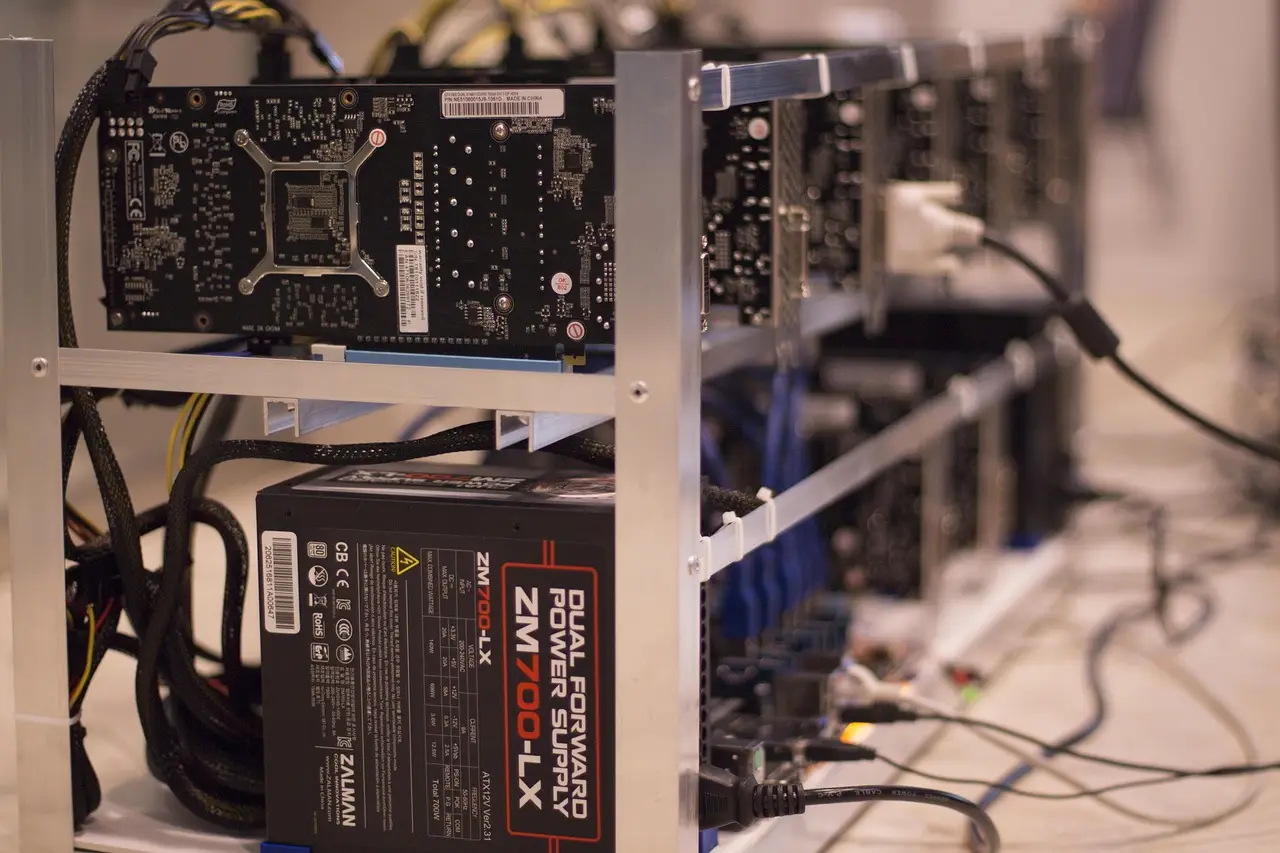
Cypherpunk Technologies reported $2.6 million in operating income for the third quarter after launching its Zcash mining fleet in August, marking the mining business’s first quarterly profit. The Nasdaq-listed company, ticker CYPH, also recorded $306 million in net income for the period.
Founded by Cameron and Tyler Winklevoss, Cypherpunk operates as a Zcash treasury company. It said the $306 million net result came entirely from $330.8 million in unrealized gains on ZEC holdings, rather than mining revenue alone. Those figures separate the fleet’s operating contribution from price-driven changes in the value of inventory.
CEO Dug Onsi said on Monday’s earnings call: “With the pullback in Zcash, we resumed our open market purchase strategy.” ZEC fell 2% to $887 on Monday, extending its decline to roughly 22% over the previous month after reaching an all-time high of $1,650 in late September.
What changed after the quarter ended?
Since quarter-end, Cypherpunk bought 3,775 ZEC for about $3.5 million at an average price of $920.40. Including October mining output, the company said its treasury held more than 341,858 ZEC, just over 2% of Zcash’s circulating supply.
The company targets at least 5% of circulating ZEC, mirroring the 5% ether supply goal set by Tom Lee-chaired Bitmine. Mining gives Cypherpunk a second route to that target, adding mined supply to open-market purchases. The strategy therefore joins token accumulation with operating production instead of relying on purchases alone.
Cypherpunk raised $56.5 million through its at-the-market stock offering program in the third quarter. The proceeds funded mining equipment and additional ZEC purchases, while some covered operating expenses so the company would not need to sell the Zcash it mined. That makes the mining buildout partly equity-funded and connects shareholder capital to treasury growth.
All mined coins stayed on balance sheet rather than being sold for operating needs. Cypherpunk has chosen inventory accumulation over immediate token liquidation, leaving the balance sheet more exposed to ZEC prices while reducing reliance on market sales to fund routine spending.
How does the mining debut perform?
Cypherpunk mined 8,967 ZEC during its first 44 days of operations, generating $9.9 million, or nearly $10 million, in revenue. Hosting costs averaged about $104 per token, and every mined ZEC entered the treasury.
The disclosed figures place hosting costs well below revenue generated per token, making utilization and operating efficiency central to the fleet’s profitability. The fleet adds a revenue stream to the treasury strategy, but it also introduces equipment spending, hosting obligations and execution risk beyond the market price of ZEC.
How does mining change the valuation debate?
CIO Will McEvoy said mining changes how investors should value Cypherpunk and questioned whether a premium or discount to the company’s crypto holdings, commonly called mNav, still carries much meaning. The company said its mining business was worth more than the value of its holdings.
“I think analysts should be sort of looking at the business from a sum-of-the-parts perspective,” McEvoy said. He pointed to the ZEC treasury, mining revenue and mining earnings as the components analysts should assess, rather than treating the stock only as a proxy for token holdings.
That framework gives the mining operation a direct role in company valuation. It also puts more weight on disclosures of hosting costs, fleet output and operating income, because those figures determine whether token production can finance its own expansion or requires continued outside capital.
The next quarterly results will show whether the 44-day mining economics persist as Cypherpunk funds equipment, operating expenses and additional ZEC purchases while pushing toward its 5% supply target. The company has not set a deadline for reaching that threshold, leaving execution speed to determine how quickly the treasury grows.
via The Block (Source)
More from Tom Whitfield
Show full bio
News editor covering technology and product news in crypto and web3 industry at Mempool Brief.
1,509 articles