0x11025f521102…11025f4f
Democratic Sweep of Congress Forces Crypto Industry to Rethink Washington Playbook
Democrats now control both chambers, Fairshake spent $154.5 million, Sherrod Brown returns to the Senate by Dec. 15, and the Clarity Act looks stalled for two years.
Outputs
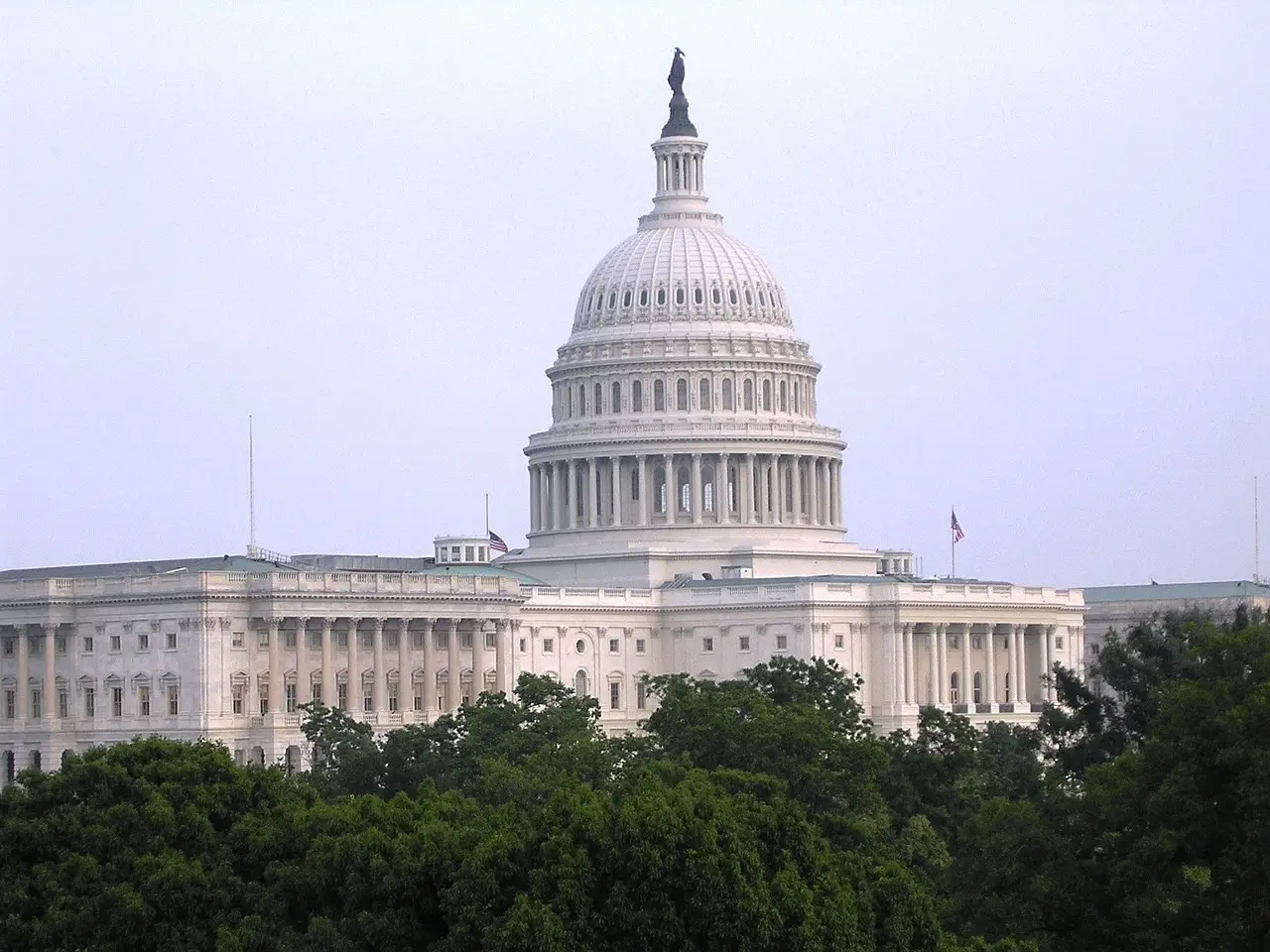
Democrats took control of both the House and Senate in Tuesday's election.
Fairshake spent $154.5 million across primaries and the general election; crypto PACs spent $170 million total on the midterms.
Sherrod Brown defeated Jon Husted in Ohio and could return to the Senate as early as Dec. 15.
TD Cowen says the Clarity Act is unlikely to advance over the next two years.
The election came days after a record $6 billion hack of Binance.
Democrats took control of both the House and the Senate on Tuesday, ending a two-year pro-crypto climate in Washington and leaving the digital asset industry searching for allies in a party that remains divided on the sector. Stand With Crypto, an advocacy group, counted 19 pro-crypto lawmakers elected to the Senate and 226 to the House as results arrived — alongside eight anti-crypto Senators and 106 anti-crypto House members.
The industry's immediate talking point is bipartisanship. The operational reality, according to analysts and lobbyists, is that a Democratic sweep brings more oversight and close to no chance of advancing the legislation the sector wants.
"Nobody has their head in the sand," said Kara Calvert, vice president of U.S. policy at Coinbase, in a post on X. "There will be headwinds for any bipartisan legislation next year, but crypto is 100% bipartisan."
What does the sweep change for legislation?
The central casualty is the Clarity Act, the broad market-structure bill that passed the House but stalled in the Senate in September. Investment bank TD Cowen said the bill is unlikely to advance over the next two years, particularly given the Ohio result.
That result is the race the industry had watched most closely — and spent most heavily on. Republican Senator Jon Husted, endorsed by Stand With Crypto, lost to former Democratic Senator Sherrod Brown, despite tens of millions of dollars in PAC spending against him. Pro-crypto political action committees reportedly spent more than $60 million on that Senate race alone.
Brown previously chaired the Senate Banking Committee, which holds jurisdiction over digital assets, and has been viewed as critical of crypto. Because he won a special election to fill Vice President JD Vance's Senate term, he could return as early as Dec. 15 — in a position to lead oversight and regulation of the industry.
Kevin Wysocki, head of policy at Anchorage Digital, framed Brown's return as workable rather than hostile. When Brown chaired the Banking Committee, he and his Senate staff were open to constructive conversations about crypto, Wysocki said in an interview with The Block on Wednesday.
Where did the PAC money go?
The spending totals are large even by campaign-finance standards. Fairshake, the flagship crypto PAC, raised $106.2 million, according to Americans for Financial Reform, and spent $154.5 million across primaries and the general election. Crypto PACs overall spent $170 million on the midterms, according to Fortune, with more than $13.5 million going to Republican Senator Pete Ricketts of Nebraska.
To put that in perspective: the PACs' combined midterm outlay exceeds the annual lobbying budgets of most entire industries in Washington.
"Fairshake played a meaningful role in winning competitive races across the country in 2026 and we will do it again in 2028," spokesperson Geoff Vetter said in an emailed statement. "Newly elected and current members will have a choice: protect consumers and American jobs or fight progress. We will be watching and '28 is a new map."
One crypto industry source, speaking on the campaign spending, said PACs and trade associations will have to "recalibrate" and "double down on being bipartisan." The source was blunt about the Ohio race: "What did we ultimately get out of that? Where could that money have been better spent? To be perfectly honest with you, I think it could have been better spent on shoe-leather lobbying."
That money, the source argued, could have lobbied lawmakers on the Clarity Act instead. "You spend a fraction of it, and you could have effectively hired all of DC to lobby on Clarity," they said.
The critique carries weight, but it is also convenient: spending decisions that looked rational before Tuesday look wasteful only after the result is known. What the PACs bought — and whether those 226 House allies vote as a bloc — remains untested.
What comes next in oversight?
Wysocki said congressional focus will shift to taxes, security and hacks. The election came days after the largest crypto hack on record, an attack on Binance exceeding $6 billion.
"Congress is going to be asking those questions, like how do we make security at our financial institutions stronger?" he said.
TD Cowen's Washington Research Group, led by managing director Jaret Seiberg, expects investigations into Trump-family-run World Liberty Financial. "Democrats will investigate Trump's crypto entanglements, including World Liberty Financial," Seiberg wrote in a note on Wednesday. "We believe the resulting political environment may make it impossible to advance a version of Clarity that the crypto sector could back."
Not everyone in the industry reads the result as a setback. Wysocki pointed to the composition of the new Congress, arguing that younger members are more comfortable with the technology regardless of party. "It's very bullish, I think, for crypto overall, so I think that's one of the great things from what happened yesterday," he said.
That optimism rests on an unproven assumption — that pro-crypto campaign rhetoric converts into pro-crypto votes under a Democratic majority with subpoena power. With Brown eligible to return by Dec. 15 and committee assignments forming shortly after, the industry will learn quickly whether its $170 million bought influence or only seats.
via The Block (Source)
More from Elena Vasquez
Show full bio
Staff writer covering regulation, policy and their impact on crypto and web3 industry at Mempool Brief.
733 articles