EU Proposes 22nd Russia Sanctions Package Hitting Crypto Platforms, 60 Banks
The EU's proposed 22nd Russia sanctions package targets crypto platforms and about 60 banks, per CoinDesk. Adoption requires all 27 member states, and no platform names have been disclosed.
Outputs
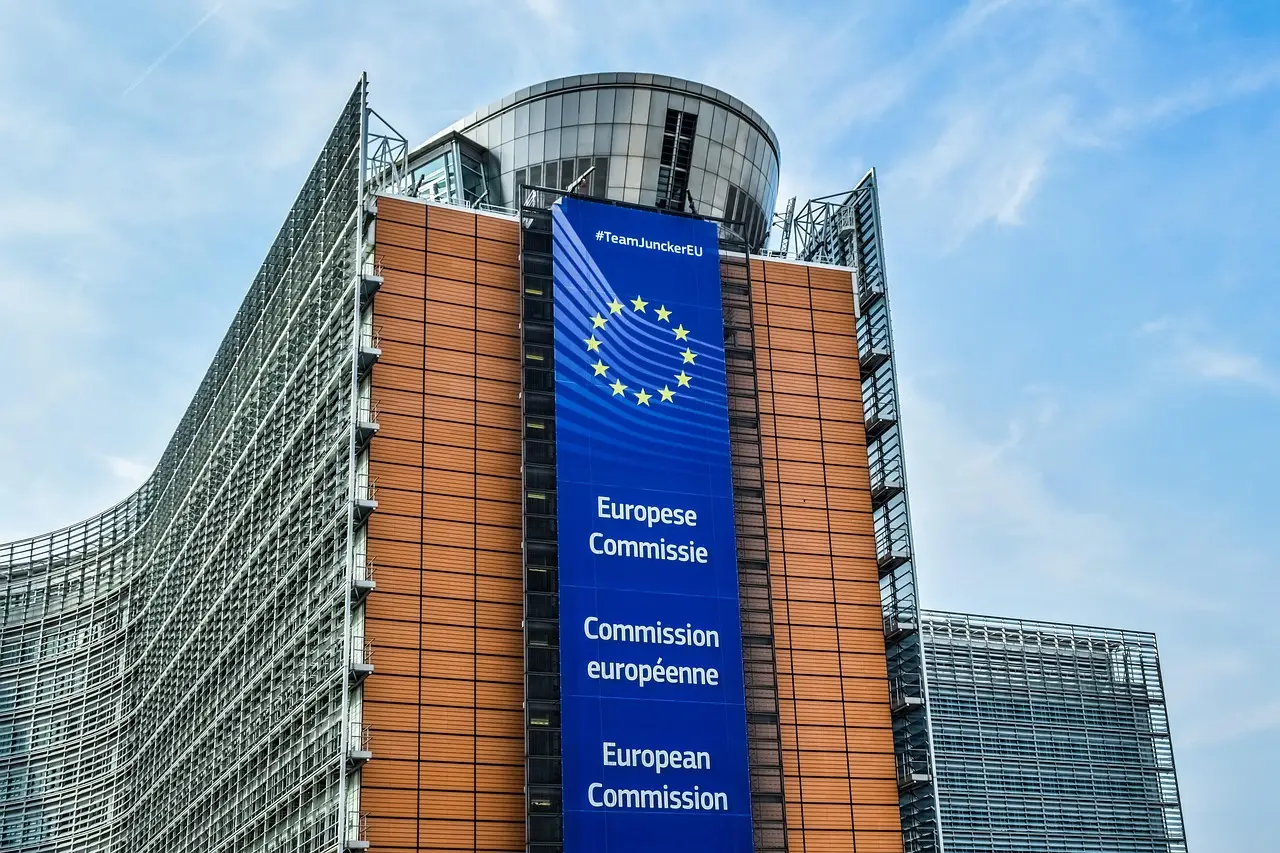
The EU proposed its 22nd sanctions package against Russia, reported by CoinDesk on November 23.
The draft targets cryptocurrency platforms and approximately 60 Russian banks.
European Commission President Ursula von der Leyen said the bloc is intensifying pressure on Russia's war financing.
The package requires unanimous approval from all 27 EU member states before taking effect.
No specific crypto platforms or banks have been publicly named in the proposal.
The European Union has proposed its 22nd sanctions package against Russia, and for the first time in this series the draft explicitly targets cryptocurrency platforms alongside roughly 60 Russian banks. CoinDesk reported the development on November 23. The package is a proposal, not law; it requires unanimous approval from all 27 EU member states before any measure takes effect.
European Commission President Ursula von der Leyen said the bloc was intensifying pressure on the means Russia uses to finance the war. The statement confirms the strategic intent. It does not name the specific crypto platforms, the banks, or the technical scope of the restrictions — those details will determine whether the measures bind in practice or remain declarative.
What does the proposal actually cover?
According to the reported draft, the package combines two tracks:
- Sanctions on cryptocurrency platforms, intended to close digital channels that move value outside the traditional banking system.
- Measures against approximately 60 Russian banks, aimed at severing state-linked payment and financing routes.
The bank count is the more precise figure in the proposal. The crypto component carries no enumerated target list in the public reporting so far, which leaves open the question of whether the measure reaches exchanges, over-the-counter desks, or blockchain infrastructure providers. That distinction matters for enforcement; each category requires a different regulatory instrument.
Why does the crypto angle matter?
Successive rounds of EU sanctions have constrained Russia's access to correspondent banking and dollar-based settlement. Digital-asset channels have persisted as a workaround, because crypto rails sit outside the SWIFT messaging network and conventional bank licensing. Targeting platforms rather than transactions suggests the Commission is now attacking infrastructure, not individual flows.
The approach has operational consequences. If adopted, listed platforms would face restrictions on serving Russian clients or processing designated funds, and EU-registered entities would carry compliance obligations. The effectiveness, however, depends on jurisdiction: platforms outside the EU's reach can continue operating, and previous enforcement gaps have shown that listing a service does not stop its use.
What stands between proposal and law?
Unanimity is the binding constraint. All 27 member states must approve the package, and past rounds have required weeks of negotiation over national exemptions, energy carve-outs, and individual listings. The Commission has not published a timetable for the vote. Final adoption remains undetermined, and the text could be diluted before it reaches the registry.
For crypto businesses, the practical deadline is the Council's adoption date rather than the announcement. Firms with EU exposure will need to screen client bases and prepare for the designated-entity lists once published. Until then, the November 23 proposal functions as a warning shot: the compliance perimeter is set to widen, and the sector should treat the coming Council deliberations as the window in which the final scope will be decided.
via en.bloomingbit.io (Source)
More from Elena Vasquez
Show full bio
Staff writer covering regulation, policy and their impact on crypto and web3 industry at Mempool Brief.
1,837 articles