0x21fa823c21fa…21fa823f
Kazakhstan's Central Bank Engages Tether on Tenge Stablecoin Study
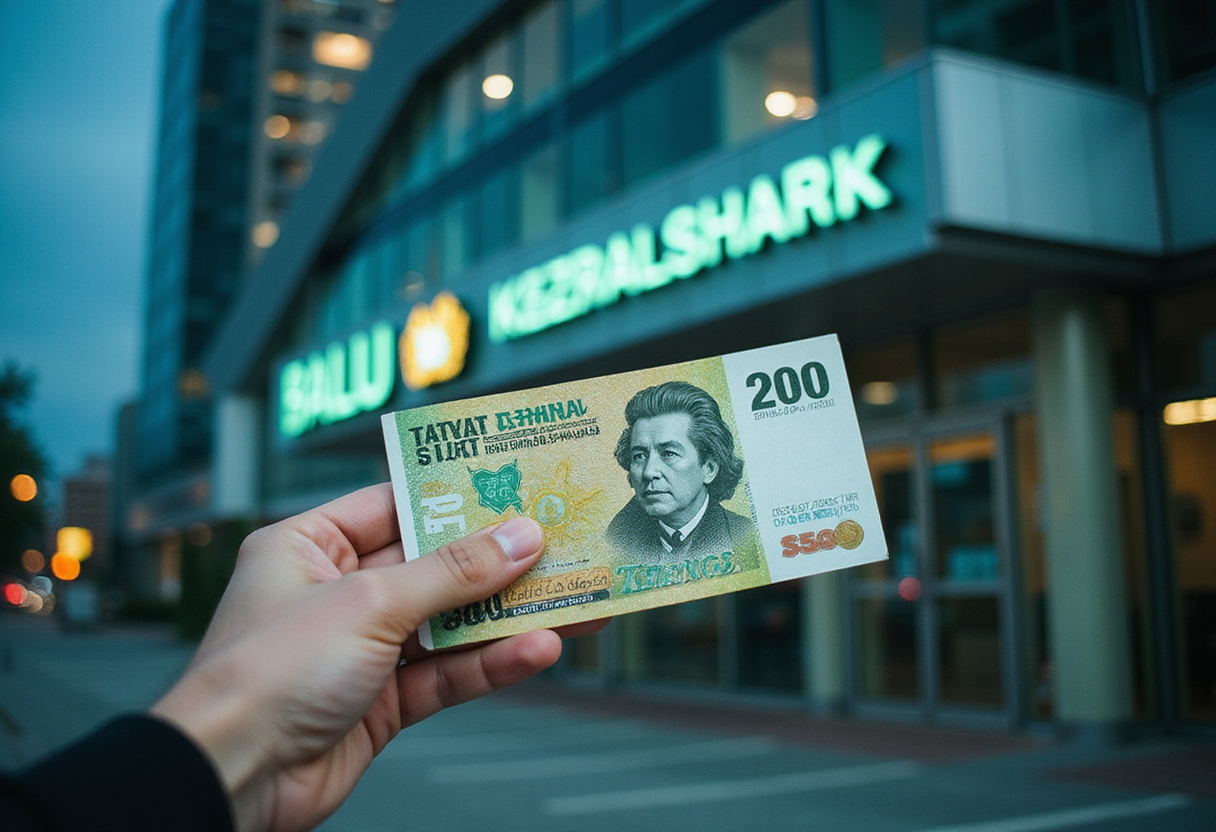
Kazakhstan's National Bank has opened a formal study with Tether on a tenge-pegged stablecoin, positioning one of the largest offshore stablecoin issuers inside a G20-adjacent monetary authority's feasibility process.
Outputs
The National Bank of Kazakhstan has engaged Tether, the issuer of USDT, in a formal study of a tenge-pegged stablecoin.
Public reporting identifies no study duration, budget, working group composition, or pilot scope for the engagement.
Kazakhstan maintains a parallel state-controlled digital tenge project run by its central bank.
The Astana International Financial Centre administers Kazakhstan's existing digital asset service provider licensing framework.
The National Bank of Kazakhstan has engaged Tether, the issuer of USDT, in a formal study of a stablecoin pegged to the Kazakhstani tenge, according to available reporting on the engagement. The arrangement places one of the largest offshore stablecoin operators in direct consultation with a G20-adjacent central bank on a sovereign-currency token design.
The publicly disclosed record on the engagement consists of the headline framing. No study duration, budget, working group composition, or pilot scope has appeared in the available material. Treating the arrangement as a feasibility exercise rather than an issuance pathway is the responsible read of the available facts.
What does the engagement change at the policy level?
Until now, Kazakhstan's central bank has focused its digital currency work on the state-controlled digital tenge project. Bringing Tether into the tent signals a willingness to evaluate private-sector issuance rails alongside the public-sector alternative. The two tracks are not necessarily substitutes. The digital tenge is a central bank liability, whereas a Tether-issued tenge token would be a private claim denominated in the national currency and redeemable through the issuer's own reserve-management structure.
What does it change at the operational level?
A private tenge stablecoin operating under central bank supervision could support cross-border remittances for an economy that depends heavily on labor-export flows from the wider post-Soviet region. It could also anchor on-chain settlement inside the Astana International Financial Centre, which has positioned itself as a regional digital asset hub with its own licensing regime. Those are use-case categories, not announced products; the study framing leaves each of them to be defined by the engagement's eventual output.
What regulatory questions does the study raise?
Tether has faced repeated scrutiny in major jurisdictions over reserve composition, attestation cadence, and counterparty exposure. A formal consultation with the National Bank of Kazakhstan does not resolve those questions. It may, however, subject any tenge-denominated proposal to a sovereign supervisor's standards on capital, custody, redemption at par, and information reporting. If adopted, that framework would differentiate the proposed instrument from USDT's existing offshore distribution model.
What is the institutional background?
Kazakhstan has built a layered digital asset policy in recent years, including a licensing regime for digital asset service providers administered through the Astana International Financial Centre and a separate central bank digital currency track. The Tether engagement sits inside that policy perimeter rather than outside it, and would be governed by whatever consultation, sandbox, and authorization framework the National Bank elects to apply.
What changes next?
Until the National Bank publishes a consultation paper, a sandbox designation, or a defined pilot timeline, the engagement remains at the research stage. Market participants should expect further disclosure through the central bank's formal regulatory channel rather than commercial press cycles. They should treat any subsequent issuance announcement as conditional on domestic licensing rather than on the study itself.
via Google News - Tokenization Real World Assets (Source)
More from Daniel Okafor
Show full bio
Correspondent covering industry trends and analytics at Mempool Brief.
435 articles