0x18db13b218db…18db13b5
Paraguay to End Cheap Power Contracts for Bitcoin Miners by End of 2025
Paraguay's ANDE will let all Bitcoin mining power contracts expire on Dec. 31 next year, ending $44/MWh hydropower deals that made it the world's fourth-largest mining hub.
Outputs
ANDE will let all Bitcoin mining power contracts expire on Dec. 31 next year
Miners pay $44 per MWh under special contracts, about 13% of Paraguay's Itaipu allocation (944 MW)
Paraguay accounted for ~4% of global Bitcoin hashrate in Q2 per Hashrate Index
ANDE expects $350 million in 2024 revenue from electricity sales to miners
National power demand is projected to grow ~8% annually through next year
Paraguay's state power company ANDE will let every special electricity contract with Bitcoin mining companies expire on Dec. 31 next year, dealing a structural blow to an industry that turned the country into the world's fourth-largest Bitcoin mining hub. CoinDesk reported the decision on Nov. 13, and authorities have signaled no intent to move the deadline.
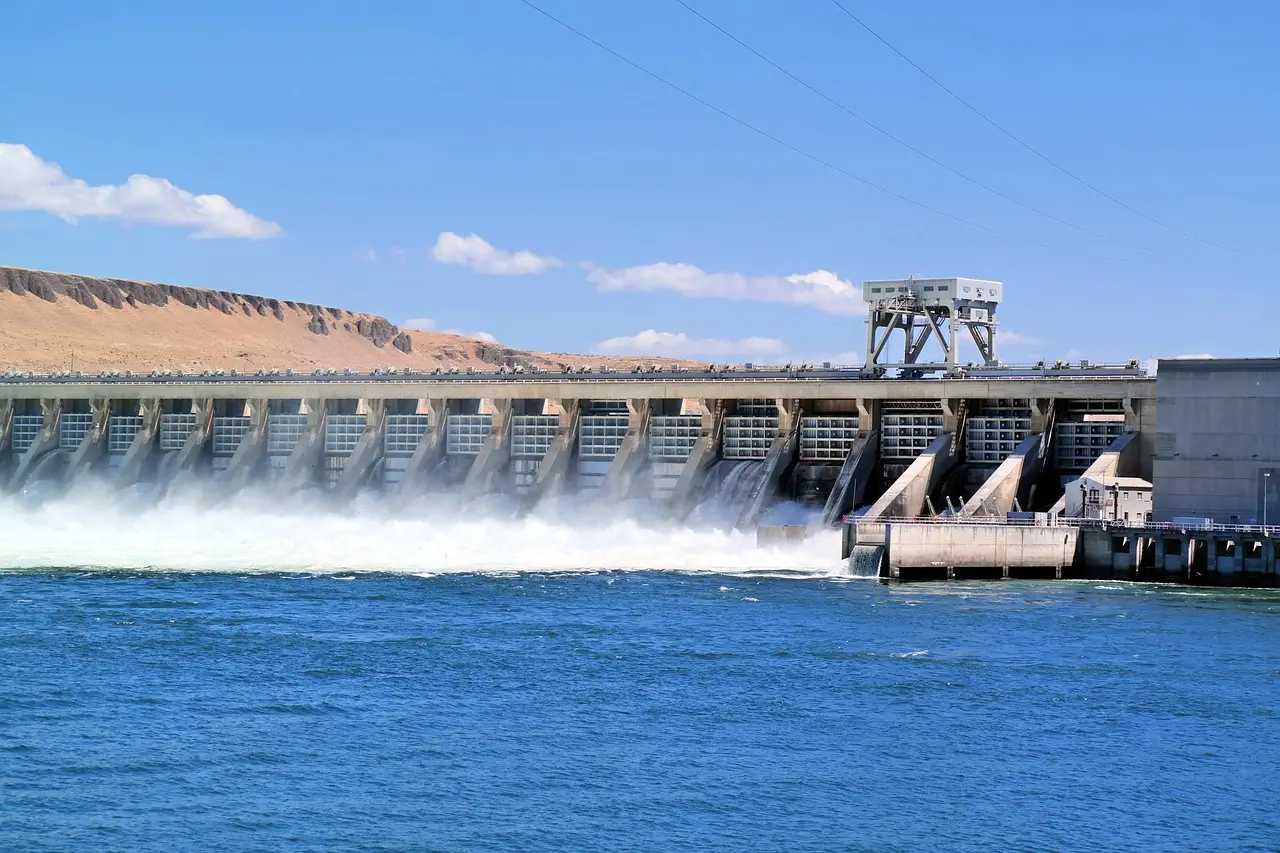
The contracts have been among the cheapest industrial power deals in the world. Miners in Paraguay pay $44 per megawatt-hour under the special agreements — less than 5 cents per kilowatt-hour — drawing on surplus generation from the 14,000-megawatt Itaipu Dam on the border with Brazil.
The scale of the exposure is significant. As of April, mining companies had contracted roughly 944 megawatts, or about 13% of the Itaipu capacity allocated to Paraguay, according to the figures in the report. ANDE expects electricity sales to miners to generate $350 million in revenue this year. Hashrate Index estimated that Paraguay accounted for about 4% of global Bitcoin mining computing power in the second quarter.
Why is Paraguay pulling the plug now?
The surplus that made cheap contracts possible is disappearing. The Itaipu Dam met about 88% of Paraguay's electricity consumption last year, and ANDE projects national demand will grow about 8% annually through next year, then settle at roughly 5% a year after that. Domestic consumption is eating into the spare capacity that miners once absorbed.
Competition from the AI industry compounds the squeeze. Data-center developers are chasing the same low-cost hydropower that attracted Bitcoin miners, and utilities now have alternative buyers for large blocks of firm capacity.
For miners, the arithmetic is unforgiving. Power is the single biggest expense in Bitcoin mining, and a shift away from $44-per-MWh rates feeds directly into margin compression. Companies that set up operations in Paraguay despite the cooling costs tied to its hot subtropical climate now face the end of cheap power as a central variable in their profitability models. Some operators will likely reassess site economics entirely; others will have to renegotiate at market rates that reflect a tightening grid.
What changes for the global mining map?
A 4% share of global hashrate doesn't vanish overnight, but the expiry date gives operators roughly a year to restructure. The loss of one of the last large pockets of sub-5-cent hydro power narrows the field of low-cost jurisdictions available to industrial-scale miners, at a moment when AI data centers are bidding up electricity across the Americas.
ANDE, for its part, trades a volatile crypto-linked revenue stream for a demand mix anchored in domestic growth and hyperscale computing. The $350 million the utility booked from miners this year will need replacing as those contracts lapse.
The deadline is fixed: Dec. 31 next year, with no planned extension. Every special mining contract in Paraguay expires on that date, and the country's miners now have a hard calendar to work against.
via en.bloomingbit.io (Source)
More from Daniel Okafor
Show full bio
Correspondent covering people, launches and day-to-day practice in crypto and web3 industry at Mempool Brief.
1,156 articles