0x7be9c5177be9…7be9c51a
PowerCompute Buys 600 Antminer S21++ Units as Output Rises, Revenue Falls
PowerCompute mined 23.9 BTC in Q3, up 35.8%, but revenue fell to $1.9 million. A $1 million order for 600 Antminer S21++ units targets 10% more hashrate by December.
Outputs
PowerCompute mined 23.9 BTC in Q3 2025, up 35.8% year over year, per its November 13 SEC-filed release
Revenue fell to about $1.9 million from $2.2 million as the average value of coins produced declined
Mining margin improved to 50.7% from 29% in the prior quarter, but the company posted a $0.9 million operating loss
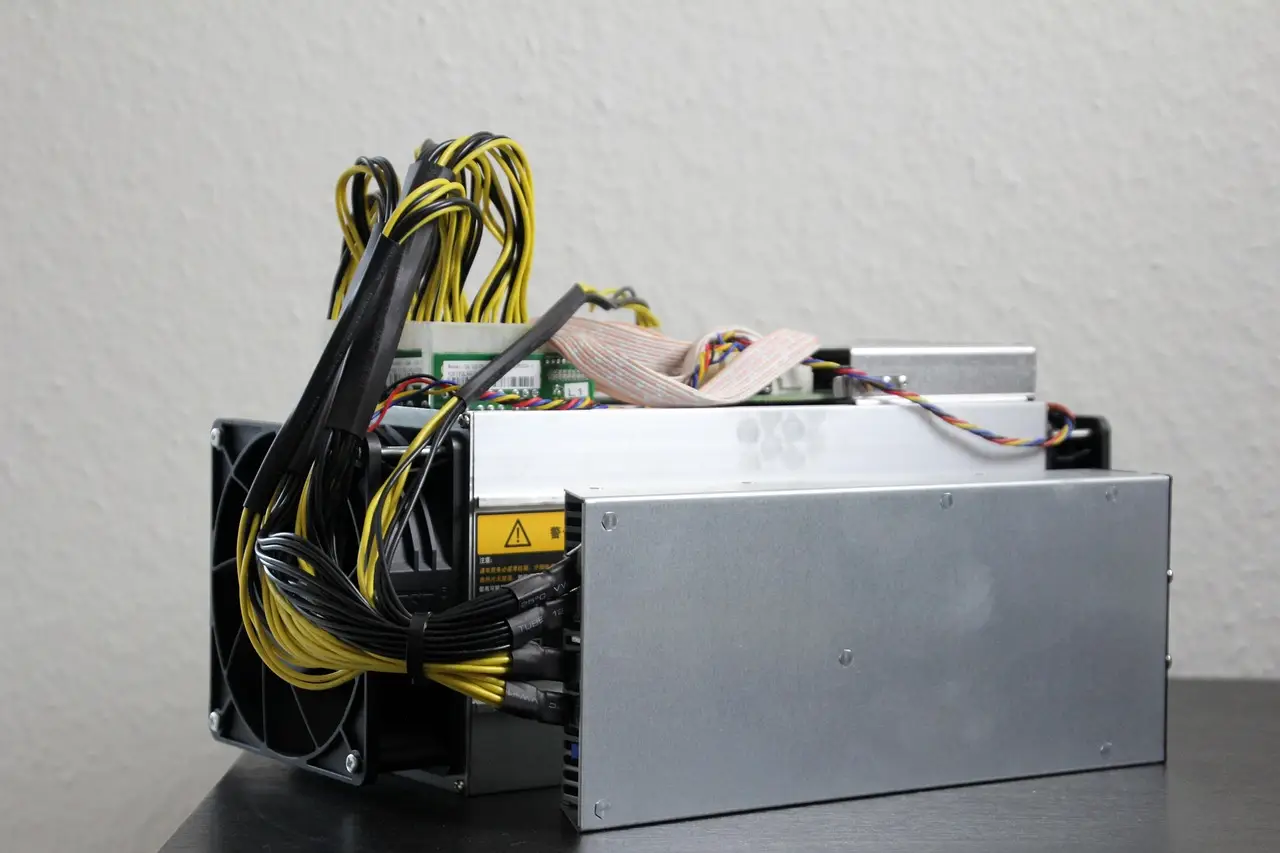
A roughly $1 million cash order for 600 Antminer S21++ units targets about 10% more hashrate by mid-December
The release flagged substantial doubt about the company's ability to continue as a going concern
PowerCompute mined 23.9 BTC in the quarter ended September 30, up 35.8% year over year, yet revenue fell to roughly $1.9 million from $2.2 million as the average value of the coins it produced declined, according to its November 13 results release filed with the SEC.
The same disclosure details a cash purchase of 600 Antminer S21++ units for about $1 million. Management expects deployment by mid-December and estimates the replacement machines will add roughly 80–85 petahashes per second at its Mississippi facility — about a 10% increase in active hashrate — without requiring additional power capacity.
Why more Bitcoin meant fewer dollars
Production and revenue answered different questions this quarter. PowerCompute got substantially better at running machines: its stated mining margin improved to 50.7% from 29% in the preceding quarter. But revenue depends on the dollar value of coins produced, and that average declined enough to drag the top line down despite the 35.8% production gain.
Mining margin also covers only a narrow set of operating costs. It does not automatically absorb salaries, professional fees or equipment charges across the whole company. That distinction matters here, because the same release reported an operating loss of approximately $0.9 million alongside net income near $0.4 million.
What does the equipment swap change?
The 600-unit order replaces older machines already on site rather than expanding PowerCompute's footprint. The appeal is straightforward: squeeze more computation out of an existing electrical connection and sidestep the construction and interconnection work a new site would demand.
The trade-offs are real. Installation means downtime, and the 80–85 PH/s figure is a management estimate contingent on delivery and installation going to plan. Paying cash also tightens the economic test — that $1 million is money that could otherwise fund operating expenses or sit available for unexpected repairs.
Efficiency counts more than machine count
PowerCompute's September fleet-refresh announcement, which covered an earlier generation of replacements, offers useful context on why raw device numbers mislead. Those units ran at about 21.5 joules per terahash versus roughly 34 for the retired equipment — figures that apply to the earlier program, not the newly ordered S21++ machines.
Two fleets of identical size can consume different power and do very different amounts of hashing. The calculation that matters combines electricity prices, actual efficiency, uptime and each miner's share of total network work. Prior coverage of PowerCompute's debt repayment and production update also highlighted curtailment: sometimes selling or conserving electricity beats running every machine continuously.
Going-concern doubt still hangs over the results
The November 13 release referenced substantial doubt about PowerCompute's ability to continue as a going concern, a disclosure that sits uneasily beside the improved mining margin. Unlike peers redirecting capital toward AI infrastructure, the company is taking the narrower route of improving Bitcoin output at power assets it already operates.
The next checkpoints are concrete: delivered machines by mid-December, sustained hashrate after the swap, and cash generated post-upgrade. A bigger production number only helps if it arrives with acceptable costs and enough liquidity to keep the operation running.
via newsbtc.com (Source)
More from Daniel Okafor
Show full bio
Correspondent covering people, launches and day-to-day practice in crypto and web3 industry at Mempool Brief.
1,514 articles